Dave Berke on Iran, Drones, and the Future of Air War
The former TOPGUN instructor explains what carrier endurance demands, why mobile missile launchers survive, and how drones are changing the pace of military learning.
Dave Berke / / 30 minutes
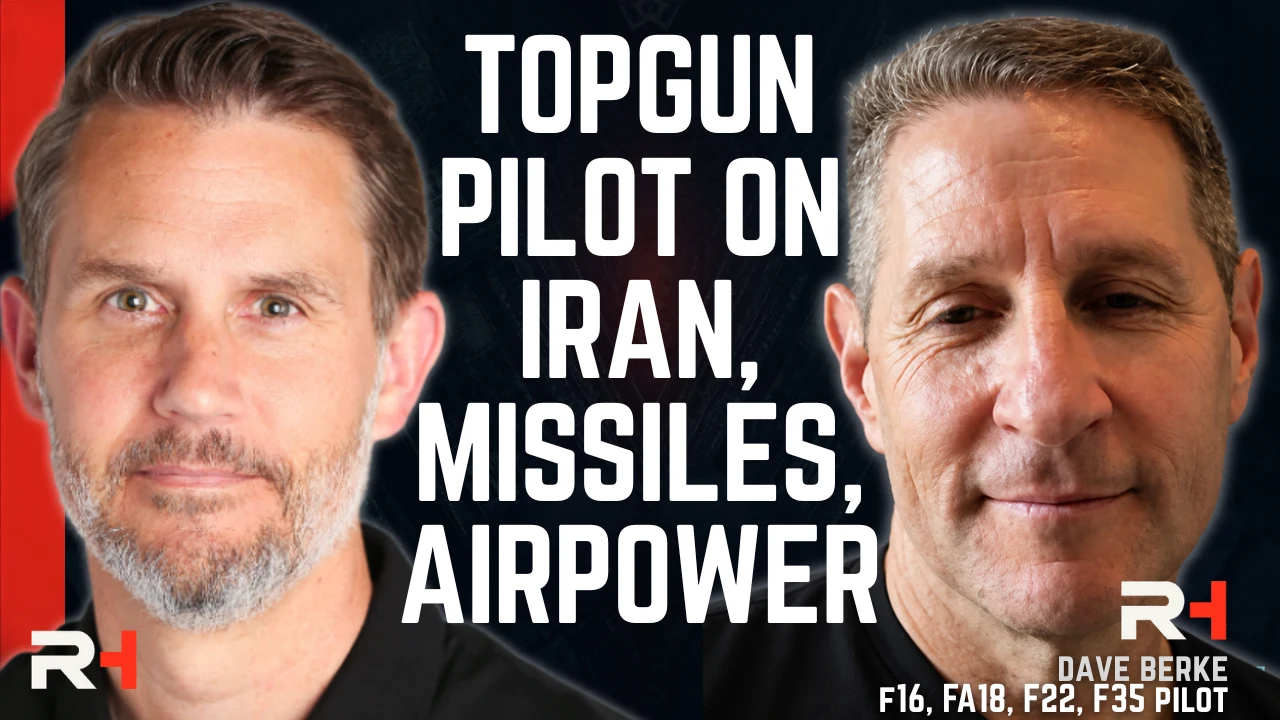
Start here
Three key takeaways
-
Carrier endurance is a human performance problem
Berke describes sustained operations at sea as an extraordinary achievement by sailors, maintainers, and aviators. Aircraft numbers alone miss the fatigue, repetition, and disciplined work required to keep a carrier air wing effective for months.
-
Drones reward the force that learns fastest
Ukraine shows how quickly unmanned systems, autonomy, and countermeasures can change. Berke argues that military organizations need room to test, fail, and adapt, with frontline experience reaching decision-makers before the technology moves again.
-
Air dominance cannot remove every launcher
Iran can lose much of its air-defense and missile infrastructure while retaining enough mobile launchers to remain dangerous. Berke treats that residual threat as a central feature of modern combat, not proof that the larger campaign accomplished nothing.
Episode Field Guide
Explore this conversation.
The people, institutions, and equipment connected to this episode. In the conversation marks a direct mention; Related background adds context.
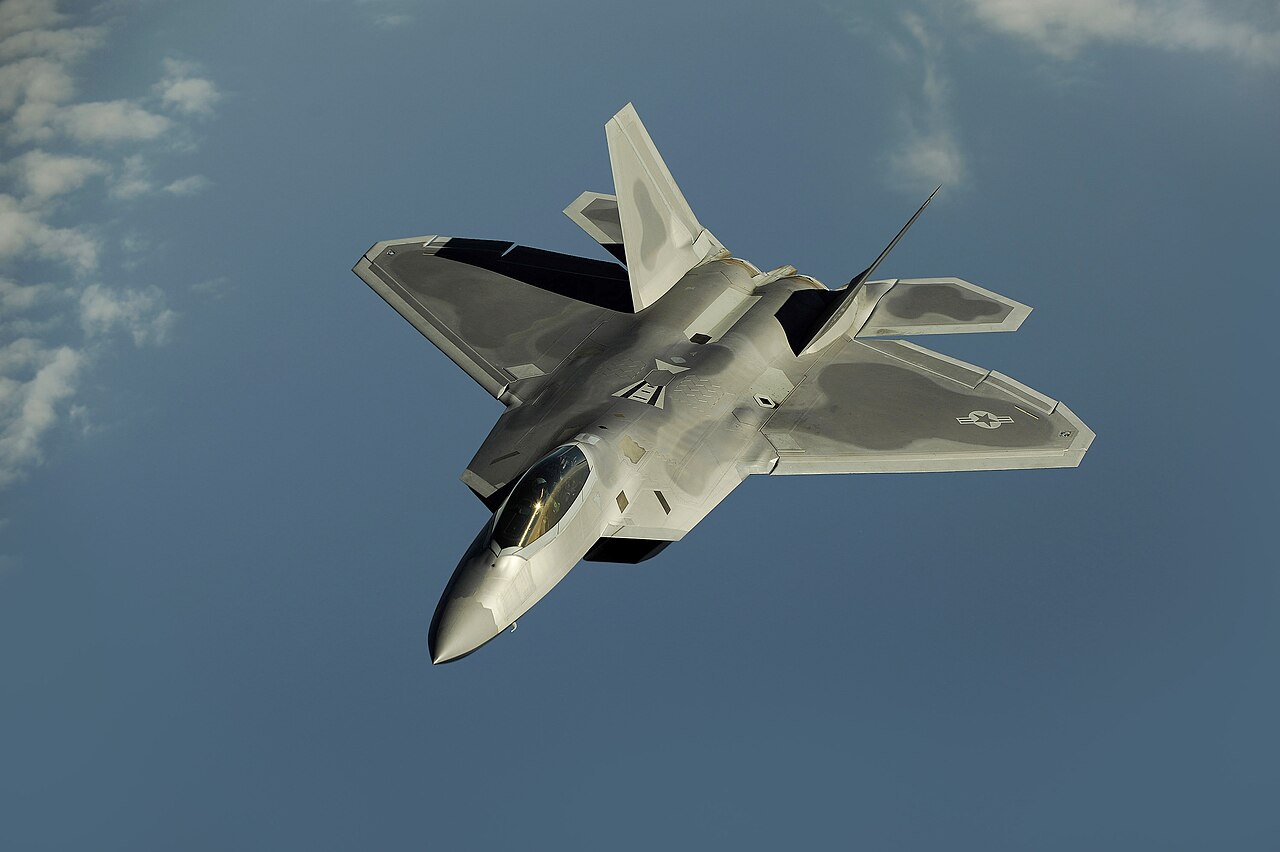
F-22 Raptor
The introduction identifies the F-22 among the aircraft Berke has flown.
Image credit
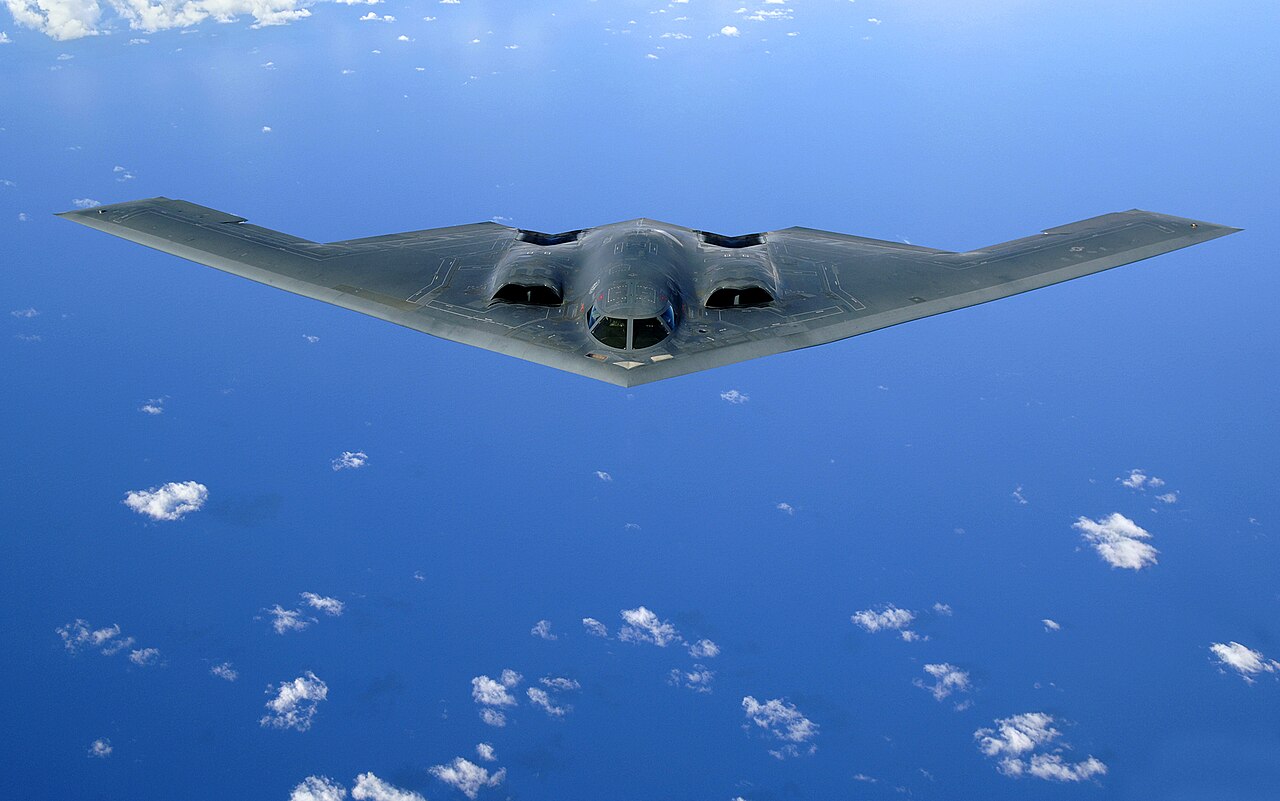
B-2 Spirit
Berke includes the B-2 in his discussion of how operators adapt air warfare.
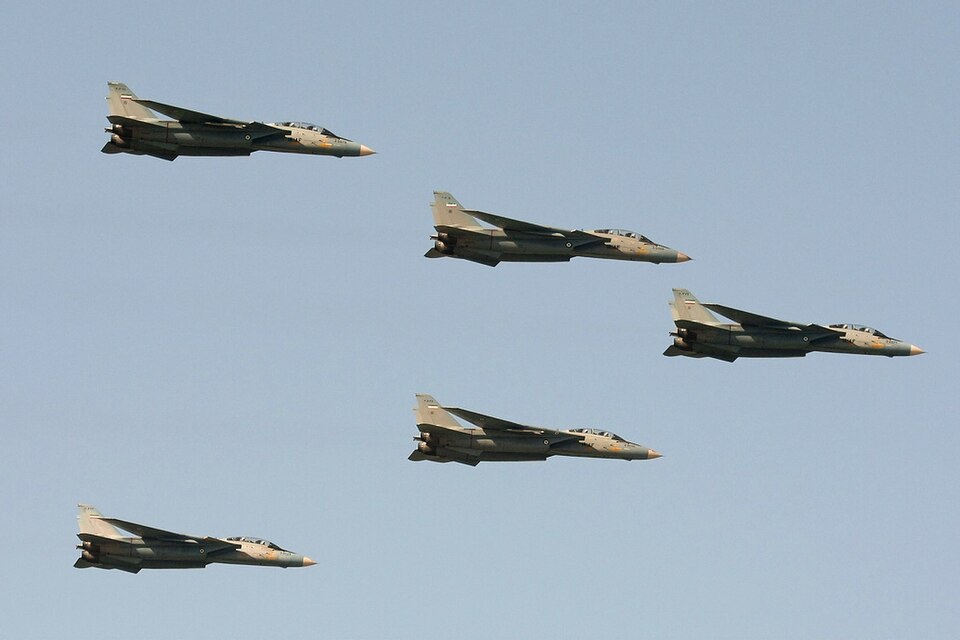
Iran Arsenal
Background on the aircraft, drones, and missiles behind the discussion of Iran’s remaining capabilities.
Image credit
These links are an RH reading guide, not guest endorsements or independent confirmation of every statement in the interview. Episode views reflect its publication date; linked records have their own source dates.
The written account
What 250 days at sea demands
Dave Berke begins with the part of airpower that is easiest to overlook from shore. A carrier can generate sorties, recover aircraft, repair systems, and repeat the cycle for months, but the visible results conceal the accumulated strain on the people doing the work. He describes the performance of carrier aviation during the Iran operation as extraordinary because the achievement depends on thousands of precise tasks continuing under fatigue, danger, and very little margin for error.
Ryan asks what an extended deployment does to a crew after more than 250 days at sea. Berke separates the experience of a pilot who may spend a few hours in the air from the experience of the sailors who live inside the ship's operating rhythm every day. The conversation also makes room for humor about shore leave, but the larger point is serious: sustained combat power rests on human endurance. Readiness is built from sleep, maintenance, training, judgment, and the ability to keep standards from slipping when the calendar stretches far beyond an ordinary deployment.
New technology can get worse before it gets better
The discussion of steam catapults and electromagnetic launch systems becomes a case study in military modernization. Steam is familiar, proven, and supported by generations of operating knowledge. Electromagnetic systems promise finer control and long-term advantages, but introducing a new system at sea also creates new failure modes and a new maintenance burden. Berke cautions against judging a technology only by the promise attached to it or by the problems that appear in its first operational years.
That tension carries into drones, autonomy, and artificial intelligence. Ukraine has made the speed of adaptation impossible to ignore. A useful system can be countered quickly, forcing another design, another tactic, and another round of field testing. Berke's emphasis is organizational as much as technical. The side that moves information from operators to engineers and commanders faster has an advantage. A procurement process built for slow, expensive platforms has to find ways to coexist with systems that may change meaningfully in weeks.
Why Iran can remain dangerous after a major strike campaign
Iran's mobile missile launchers illustrate the limits of even highly capable air forces. Launchers can disperse, hide, move, and use deception. Destroying fixed sites, command nodes, defenses, and a large share of an enemy's launch capacity can reshape the battlefield without producing a clean zero. Berke explains why a relatively small number of surviving systems still matters when each one can threaten ships, bases, aircraft, or civilian infrastructure.
This is also why he resists simple conclusions drawn from isolated reports of aircraft losses. Modern operations combine distance, weather, mechanical risk, enemy action, and the pressure of repeated missions. A dominant force can still lose aircraft and people. The responsible analytical question is what the losses reveal about the mission and the threat, rather than whether any loss automatically proves success or failure. Berke's account keeps both realities in view: American airpower can be exceptionally effective, and war remains an activity in which the enemy retains choices.
Decentralized command and the willingness to learn
Berke sees decentralized command as one of the United States' most important advantages. People closest to a problem need enough understanding and authority to act when communications are limited or the plan no longer fits. That approach requires senior leaders to explain intent, accept informed initiative, and learn from people with less rank but more immediate expertise. His recollection of learning the F-22 captures the idea at a personal level: junior pilots helped him understand an aircraft they knew better, and his job was to listen without letting status block the lesson.
The final portion of the episode turns from air warfare to writing The Need to Lead. Berke describes the difficulty of building a useful leadership book around his own mistakes instead of presenting a polished record of success. Jocko Willink's practical advice was to write consistently, one day and one block of words at a time. The connection to the military discussion is direct. Teams improve when leaders make room for honest evidence, examine failure without surrendering responsibility, and turn experience into better decisions. For Berke, leadership is a skill practiced under pressure, not a title awarded in advance.
Based on the Restricted Handling conversation published August 31, 2026. Views and forecasts reflect the discussion at that time. Original episode and show notes ↗
Full episodeRead the transcript
This transcript comes from the published episode captions, with spacing adjusted for reading. Names, punctuation, and terminology may contain transcription errors. Refer to the recording for exact wording.
Today on restricted handling. It is easy to envision a scenario where it it doesn't look hard. And I think part of that, quite frankly, is if you look at what ~ naval aviation did, carrier-based aviation, that's Navy and Marine fighter squadrons aboard ships, and what they were able to do to the preponderance of threat capability in Iran, it is it is Herculean, man. It is unbelievable. Hello and welcome, Freedom Loving people, to the Restricted Handling Podcast. Today we're diving into military readiness and capabilities in Iran, and we have an amazing guest. We're going to touch on news about the USS Abraham Lincoln's deployment for over 250 days, what's going on for the crew, Trump's concerns about the new carrier launch systems, why it's so hard to end Iran's missile launches, and the future of manned and unmanned aircraft, to name just a few topics. Prepare for an inferiority complex, because today We have a true expert on our hands.
Dave Berke is a retired Marine Corps fighter pilot, former TOPGUN graduate, and former TOPGUN instructor, who's flown combat missions from aircraft carriers and in support of fighting in Iraq and Afghanistan. He became the only Marine ever to fly the F-22 Raptor. He later commanded the world's first F-35B squadron. He's also rated on the F-18 and F-16. Today he's the Chief Development Officer at Echelon Front. Where he advises, instructs, and speaks on leadership and personal growth alongside Jocko and others. He's been on Combat Story before to share his experiences in the cockpit and on the ground as an Anglico, calling in strikes for SEALs, soldiers, and Marines, if people want to hear more about that.
And because he doesn't have enough going on, he has a new book aptly titled The Need to Lead a Top Gun Instructor's Lessons on How Leadership Solves Every Challenge. That is awesome. It uses combat experiences to share leadership lessons, much like Jocko's book. It takes what can be a dry topic and really makes it interesting and exciting. Fun fact this book is in my small town's tiny Barnes and Noble. All right, Dave, thanks so much for taking the time to sit down with us today. Yeah, man, it's good to Ryan. All right. So I was going through my Rolodex a couple weeks ago because I was reading reports about life on aircraft carriers, decisions from Yeah.
from President Trump himself talking about ~ different launch mechanisms on aircraft carriers. I'm an army guy. I've never been on an aircraft carrier. And I literally was like, who do I know who would know this? And I Dave immediately thought of you. And I should say no. That's awesome. None of this is political. It's an apolitical. So y but this is very much about projecting combat power and nobody knows it better than you. And I I think I caught an excerpt from a maybe business insider interview you were on where you landed on a carrier in a snowstorm. Like bear Yeah, yeah.
could barely see, which I didn't even know could happen. That's how bad I am when it comes to carrier operations. It it can happen. It's not fun. All right, let's start with the USS Abraham Lincoln. I don't think you had ever deployed from that. I think you were aboard the Stennis a couple times from the research I I've been able to do. but they'd been out for 250 days. Just last week they were pulled out of deployment effectively and they're moving through the Indian Ocean, heading to I think Singapore now. But there's lots of reports of just exhaustion, supply problems, mental health challenges.
What's it like aboard an aircraft carrier? And does any of this surprise you? Like what what is the we're what are we not hearing in the news? Yeah, a and as you can imagine too, I think I think that last question is the right question is is, you know, getting a whole version of that story is gonna be really tough to do. I mean, we live in a world unfortunately, we're gonna get little elements of that. and listen, man, I mean, there's a full spectrum of things, but life at sea can be tough. Care deployments are tough. I did two full workups, two full cruises, ~ in both deployments. You know, my first one was not nearly as bad as the second one, but we did At the time when we did our my second deployment, we did 98 days at sea, which was at the time, I mean, we called it a marathon.
It means a long time. So when you're talking hundreds and hundreds of days, it it's tough, man. Life life at sea, career deployments can be certainly a challenge. So the fact that there's challenges with that with other people, of course, I think that's just should be expected. I think the Navy understands that. Navy leadership has always understood that. so it does not surprise me that. There's some folks that are struggling with it. It's it's a it's a burden, man. It's not easy stuff. It's hard. I I wonder in the Strait of Hormoes where they're positioned, it feels like more surface warfare naval centric than maybe Yeah.
when you were on a carrier flying into Iraq and Afghanistan. I don't know, but that's just kind of my take that they might be in closer proximity. You've got Iranian drones and missile threats. No, man, I think it's definitely a different environment than than when I was deploying. ~ I've been through the straits into the Gulf. I've been outside of the Straits. You know, I don't I don't I I would never profess to be an expert. I don't envision the actual carrier itself operating inside the strait per se as transiting inside and out of it. there's obviously a lot of surface vessels in the strait.
Listen, man, anytime you're in an environment where someone is threatening you, it it's it's hard. It's a challenge. I my faith in the United States Navy is really high. this is an organization, an institution, much like it would be if you're talking about rotary operations, I'd say my faith in the US Army is really high. But you're talking about five thousand plus people in a confined space, an incredibly high op tempo. The numbers I'm seeing about the numbers of sorties, the number of weapons released, just the number Of operations that have been conducted ~ on the on the back of a US carrier.
I know there's more than one, man. They are it is a Herculean effort. And you know, one of the things the Navy does really well is they make the near impossible look easy. And so the fact that we're getting reports about some folks are struggling with that, I think is unsurprising. ~ I'm extremely sympathetic to that. I don't think it accounts for paints the whole picture. But I think you got folks on your team that are struggling. Like, that's okay. We should we should take care of those people and and understand that that's part of the business that we're in.
and what they have just done, what they've just endured is generationally unique. The numbers you're talking about, hundreds and hundreds of days, like that is Wow. almost borderline unheard of. certainly in recent memory, that they're 200 plus days without a without a port call. Like, that's a long, long, long time. Geez, okay, yeah, I had no idea that that was such ~ you know, just from reading it, you hear about like for you to mention 98 days feels like a marathon and they're at 250. When we did ninety eight, it was a huge deal. It was a huge Yeah. deal ninety eight without a without a ~ a port call.
Right. And I don't want to be dismissive of this. Like people are having real problems here, but I think where they're actually gonna dock is eastern Thailand. How crazy is that shore leaf gonna be, Dave? Are there marines on Ha ha ha. that? There's gotta be marines on that somewhere. Listen, man, this pot podcast is not suited for ~ that conversation. ~ but there's gonna be ~ I mean, listen, port calls, man, I can go two weeks without a pork call and you're like, you know, you're ready to rock and roll. So yeah, there's gonna be a lot of pent up energy there. You know, listen to man. I mean, like I said, life at sea can be tough.
I was a I was a pilot. ~ I had the benefit of virtually every day. I'm getting up on the flight deck. ~ I was the night carrier, so We operated from eight at night to eight in the morning. Very common. I I have something in my logbook where like I think I did maybe like fifty or sixty days without flying and seeing the sun. you know, that's just it's just different, man. It's a you know, and and it's it's a real thing. I was a an LSO landing signals officer. So I I was every fifth day on the platform and I was on the platform the entire day. So I got to see sunrise, sunset.
You got kids down there, eighteen, nineteen, twenty-year-olds that are six levels down in in the bowels of a carrier doing incredible work making things happen, and in confined in this incredibly tight ~ space. and so, yeah, listen. Hard work. Incredible what they've done on behalf of the nation and on behalf of the world. And yeah, man, tough, tough, tough. It it's it's it's I get it, you know, I There's i visions of like how thing like I think it's easy to underestimate the significance of that and how hard that is on folks and if folks are struggling with it, that's understandable.
Yeah. right. You mentioned ~ the landing system. Let let's pivot now to the launch systems. I know nothing about these, Dave. I would assume most of our audience do not. They're well versed in geopolitics, but when it comes to something practical like this, Yeah. so just for a tee up for people to understand, President Trump had had referred to the USS Doris Miller specifically to abandon electromagnetic catapults and return to steam, calling the newer system too complex and not nearly as good. I presume you've launched from from your share of carriers. What should we make of this? How do you interpret this?
I can't even imagine the president talking about like our tail rotor or something, you know, at some point. So I'm just curious from a warfighter perspective, what do we make of this? Well, when I went to Johns Hopkins and got my master's in international public policy, I did not envision a correlation to emouse on an aircraft carrier. so to be, you know, truth in advertising to your audience too, my my my last cat shot was in 2002. So ~ I'm a bit of a dinosaur. you know, I'm a ~ a a ex very experienced, you know, aviator, you know, understand life aboard the ship.
you know, technology, I'll I'll say this, you know, I I got to live in the technology world of of pretty significant advan advancements in the fighters themselves. you know, started at F-18s and F-16s, awesome airplanes, but you know, generationally 70s, 80s-ish developmental type technology. They evolved, they turned into great things. Then I finished my career in F-22s and F-35s. flew both of them for three, four years each, and you know, modern type stuff. The I think the the debate and and how that debate happens, I'm obviously have I can't provide insight as to who's saying what and why, but I can tell you like technology advancements when you're going from something like a steam steam catapult to electromagnetic, it doesn't surprise me that this is hard technology to figure out.
And you know, I think the real discussion will have to be is is the juice worth the squeeze on kind of forcing an advancement that It sometimes doesn't deliver the instant reaction that you're looking for. Things often get worse. I mean, when we started thinking about things like sensor fusion and really high-tech stuff in airplanes, there was a lot of resistance to whether we should be doing that. In the aftermath of that, you know, that's the only time you really get a good point of view of whether it was worth it. I remember getting an F 35 and like we had things like voice activated radios and voice it and in the end I'm like, give me a knob and a button. This is Crazy. So there's there's a I think a fair debate that should happen.
The technology behind emails, I I've I'm a police side guy, no idea. But I think the discussion that needs to happen that's probably is happening, you know, inside the you know the Pentagon and inside of of the halls of like Navy surface ship development is this is a big muscle movement, is a major change, it's undergoing a lot of pressure and stress. Is the effort to make this happen looking now 20 years from now in the future of that? Does this create an outcome that really, really changes the way we operate? And unfortunately, sometimes it's really hard to know until after the fact.
Completely agree. Yeah. I mean the stuff that they tried to bolt onto our aircraft before we went downrange is like, hey, try this out. And it would would have reduced our power margin by like twenty percent when we're already in the mountains. Yeah. Yeah. Yeah. ~ no, very Like what are we doing here? interesting. Similar similar thought, Dave. I don't know how closely you follow what's going on in Ukraine, but Glenn, who's my co-host who I mentioned who is regularly over there, one of the questions he wanted to ask is what do you think the US armed armed forces are learning from Ukraine when it comes to aviation.
Obviously drones, but I don't know how close you stay to it still. I'm sure you got a lot of friends in to Yeah, I'm adjacent to all this. I'm not directly involved in any of it. ~ you know, got some good friends, you know, working at a company called R2 that is deeply involved in in just counter UAS things like that. I mean the world has changed and changed rapidly. So I think on one hand you look at that and you've got this incredible proxy for development that To us poses marginal risk because it's not us directly involved in that. But I think as you consider like the a the evolution of not just aviation, but warfare in general, I think one of the things that we can't help but learn is the reality that the unmanned space and the adjacency to the future of AI connecting to that, there should no longer be resistance to it.
You and I could debate all day long and lessons learned and what we're taking away from it. And and there's probably 20 different courses of action that we could discuss and we could have the merits and the pros and cons. But I'm surprised at how there's still a little bit of like institutional resistance to the reality of it. And I think one thing that I think is a really positive outcome from a development standpoint is like there is no more need to debate whether or not this is happening. You have to, you can. There is a lot of discussion about how it should happen, what things we should do to optimize that.
But I'm kind of surprised at how long the debate about, you know, like the need for unmanned autonomous vehicles, you're like, why are we talking about this? Like like that ship has sailed. How? The methodology, the d the delivery. Yeah, lots of debates. And I'll defer to the experts on that. But I think if you're looking for something that's really strong in the in the The lessons learned category is we should no longer be debating the merits of whether or not we should be debating how we do this. And I think the more open minded, the more flexible, the more willing we are to do things that we couldn't have imagined doing five years ago, the better it will be for us.
Yeah. And if you can't answer this next question, don't worry, I'll I'll remove it. But just like you've graduated from Top Gun, you've trained there, you've trained others there. Are they already embracing this? Do you think that's part of the curriculum? Is there gonna Yes. is there gonna be a whole class in the future that's only drug pilots? Ye you know, I I I'll just answer the first part is like when I say yes, like a hundred percent. Yeah. And when I talk about my faith in the institutions, especially when the warfighters develop tactics and strategy, not the operational stuff, ~ big picture, I don't know, not worried about that.
We'll figure those things out. When the warfighter is deeply involved in the tactics and the strategic development of that, I have a lot of faith in that because there's really deep understanding. Top gun is an institution, and there's parallels, the Air Force Weapons School. The army has their version. There's there's there's all sorts of communities that have their versions of that. They are fully embracing that and I think driving what the outcome looks like. And they're gonna get to a place that is, I think, the most relevant and the most useful because the war fighters are involved in that. That is the community I think you want most involved in that.
And yet the answer is yes, they're totally embracing that. What does it look like? I don't know. I and I wouldn't want to speak for them, but of course. And in in in all the right ways, like absolutely. It's different world, man. We're living in a different world. It's nuts. probably a month ago there was a report of a drone in the Strait of Hormuz that took down an Apache. I mean, the speed that that Rotary Wing moves at, this is a completely different environment now. Completely different. Yes. Completely different environment. All right, Iran is still able somehow to launch missiles and drones.
You know, they've got Yep. these mobile efforts that get out, shoot, and then you know, displace. Some of them are hidden, some have to be exposed for short periods of time. I think for people like me who have never been in the cockpit like you, there's this idea of like, how could someone like Dave not get out there and just annihilate the rest of their ability to launch? Yeah. Yeah. I don't know what experience you have with Iran specifically, but just having to take out those types of targets, why is it so difficult, do you think? Yeah. I'm glad you asked the question and I think the the It is easy to envision a scenario where it it doesn't look hard.
And I think part of that, quite frankly, is if you look at what ~ naval aviation did, carrier-based aviation, that's Navy and Marine fighter squadrons aboard ships, and what they were able to do to the preponderance of threat capability in Iran, it is it is Herculean, man. It is unbelievable. And listen, the Air Force, of course, in their own 100% deserve the same level of credit. And for the most part, and I don't want to exclude anybody, ~ a very fixed wing-centric tactical fighter platform, at least the stuff that we saw, a lot of Hornets, F-16s, F-35s, F-22s, kind of like wheelhouse my experience stuff doing some great work.
When you every now and then you'll get a cool clip on the news of like a home video or a phone video or a little video of like downtown of some city here. And if you look around, you're like, my god, there's hundreds of thousands, if not millions, of people in this incredibly small space. Alleyways, street corners, like ton like just picture like a regular city, and it's like hiding stuff is not nearly as hard as we think it is. And I think part of the problem is the perspectives, like you can take out a huge proportion of this, which we did, but it's it's it we should really be careful about operating the extremes.
You should never say all, ironically, you should never say never. ~ there are just ways to do this that ultimately it's really hard to get to a a clean outcome. Because unfortunately, like some of the stuff is just so easy to hide. I remember when I was growing up, like the man-pad threat was like the biggest thing you had to worry about. Is like, hey, how many shoulder-fired you know, stinger missiles are there out there? And you're like, thousands. Where are they? And you're like, They could literally be anywhere. You could hide them under a blanket. Yeah. And when you take that paradigm, like you can operate with almost impunity, all the real threats have been taken out, the SAMS, the radars, the IADs, all the integrated systems, and a shoulder-fired man pads can completely undermine the entire operation.
It's a little bit similar to what we're talking about. The systems are a little bit different, but unfortunately, you can get to a certain point, but to get to to all of it is just. It's just really hard. And sometimes you need the perspective of what it looks like from the other end. And believe me, there's no sympathy for the other side of the story. It's just more the reality of of how they can function and operate. And you're like, Yep, I get it. It's just it's really hard to to you you just buying that threat down to zero is basically just it's really hard to do.
You know, one thing I'm gonna read off just a couple numbers here. I found this very surprising. ~ there was a congressional research service study. So this is for people listening to a like a US government entity that put out a report specifically about US aircraft combat losses in Operation Epic Fury. But this was in late May. So this is only after 40 days of fighting. There were over 40 aircraft either damaged or shot down. And when I was just going line by line, I was really surprised. But I want to get your take because you've flown a so many aircraft. There were four F-15E shootdowns.
Now, now you mentioned the F-16 and 18 being even a little behind the curve compared to the 22 and 35. So I assume the F-15 is even further out this is these are strike eagles, so actually I'd put them actually more in between, ~ or at least on par with Okay. them. So you're talking about the F fifteen E in this particular case. Pretty pretty modern for a fourth gen machine. But still not not Surprising that that could be shot down? Dave? Y Yeah, I mean the hardest part about all this is like if you can be seen, you can be shot down. And the thing about combat is like combat is dangerous, man. Combat is risky. and and the s the s the scale, I mean, if we looked at like the number of sorties launched, I I I I would never wanna like discuss like my deep knowledge of like the statistics of but Like a fighter a Marine Corps fighter squadron, one squadron had some like comedic number of just sorties, like like thousands of sorties.
I've seen pictures of aircraft where they just put a silhouette of the bomb, just the number of every time you drop a bomb, put a little silhouette and just like rows and rows and rows and rows. It's really hard to get a sense of the scope and the scale of what was going on during that time. And I don't say this flippantly, Ryan. I'm not I'm not trying to be obtuse when I say this, but like It doesn't surprise me that that there are there were some losses. I mean, that is just the way warfare is. There's gonna be some losses. Numbers game. Yeah. It it is, and and you know, if you look at some of the crazy things that happen, you've got ~ you've got blue on blue scenarios, you've got like the Kuiti Hornet shooting down the the the friendly F-15s.
and also just warfare is dangerous, man. Warfare is dangerous Inherently. Yeah. inherently. And so, and and and I don't even mean it like in in a To as a debate or or or I'm not even trying to push back on what you're saying. And I said, I want to be careful, but like, yeah, that is what happens in war. That's what happens. Man, I think it's surprising because many of us would would look at pilots like yourself and are like, can't be shot down by Iran. But I think it's just a good reminder of how crazy combat is and the capabilities they actually have. They've developed these for a long time.
They've tested Yeah. them with different proxy groups. They work. F 35 damage by ground fire, We you know Yep. A10 shot down, MC 130s couldn't take off. Yep. Yeah. A couple of yeah. It's a bummer. Yeah. Yeah. KC one hundred five's really sad. I mean some of these the entire crew is dead. It's crazy to see. Yeah. It's a tough business, man. Yeah. You know it as well as anyone. I mean, it y you you and I talk about this even to this day when you're talking about, you know, how we operated against our threats. when I was on the ground in Iraq, you know, what that was like to be a Ford Air controller, you can stack up all the strengths and weaknesses and compare the two sides side by side, and it's it is as one sided as you could imagine warfare would be.
But you're talking about a ~ motivated, incentivized, passionate enemy. Who has a high degree of of risk and willingness, and the capability that comes along with that is like the bottom line is that that is that is what happens in a war. That's what happens in Absolutely. combat. It's tough, man. I I've Right. I've been on that side of it and I've it's tough. It is frustrating and tough. I wish, I wish it wasn't like that. but That's kind of the nature of the business, man. It's tough. Okay, I I wanted to ask you just one thing about your book, but first, is there anything else you're watching right now in Iran, Ukraine, aviation, drones?
Yeah, I'm I'm going through I think the what probably happens to guys like you and me is the constant back and forth of like I know what I'm talking about versus holy cow, what is going on? ~ Yeah. the evolution of and I'll just call it, you know, air warfare, the use of of of fighter attack and strategic assets like the B two and whatnot, the way that we have evolved and the way that we're there performing is is Man, it is so impressive. And I think where it comes from is a validation in the decentralized command approach the American military has instilled for generations that you and I grew up with and and hopefully proliferated.
And I like to think I had my contribution as a as a pilot, as a TOPGUN instructor, as a squadron commander, which is your best ideas for evolution don't come from the design or the manufacturer of the machine. It comes from the operator ~ figuring out how to apply it. And if you look at like If you look at the specs for what you wanted an F-18 to do or an F-16 to do when they built it in the 70s or 80s versus what they're using it for now, that comes from our belief in putting the machines in the hands of the operators, explaining the outcome you're trying to achieve, and let them create the culture, the tactics, and the demand signal for what they need to get it done.
And despite those losses, and those are tragic and it's it's unfortunate, it's a nature of the business. If you look at the way that we performed, man, I have a lot of faith that the way we have always perceived the use of the military from a decentralized command, highly trust based, pushing decision making down, when you talk about, you know, O threes in the cockpit delivering, it is impressive to see what we've been able to do. So when I think about the future, I don't think I'm nearly relevant enough to contribute to shape that. But I'm supremely confident that the mindset that we had to achieve the outcome we want is in good hands.
Yeah. you know, I say like Marines are still Marines. And that is the best thing we've got going for us. And listen, that's a moniker. Say that same for the Army, Yeah. No, no, I know. Yeah. say that same for the Air Force, say that same for the Navy. It's, it's, and, and, and they, they, they are obsessed with getting good and getting better. And I'm I'm I'm impressed. It's pretty awesome. Love it. And I will say if people want to have an idea of how hard it is to make this work, just go look at Russia's failed invasion of Ukraine a couple of years Come on, man. ago and how poorly they managed combat, you know, like unified command and combat ops together.
Yeah. all right, Dave, you've done a lot of hard things. How hard was it writing the book? Man, I it i I cannot tell you how hard it was. I mean, dude, that was one of the most humbling, the most difficult and just downright hardest intellectual things I've ever done. I will tell you, like, if you look at the stories that I wrote, I mean it's a little embarrassing because every chapter is like a story of a mistake or a failure, but that really wasn't the hard part for me. I'm I'm happy to just put Yeah, yeah. my mistakes on display. I I'm I mean that Ryan, like.
If you've read it, there's 10 chapters, everyone is like, this guy's an idiot. That wasn't that hard. I'm okay to do that because there's a good lesson that came from that, and it can help people get better. When you talk about what was crystal clear in my head, trying to write it down, I would read my own words and I'm like, who wrote this? This is like incoherent. And I think the hardest part was realizing like what makes sense to you in your brain. It's one thing, it's hard to communicate out of your mouth, but it's even harder to write down. ~ it took me a very long time to to be able to tell the stories in a way that I thought was even helpful.
And I remember one point talking to my publisher and I'm like, How do people do this? And what he kind of said is like, most of them don't. They get help. You know, they get, you know, ghostwriters or they get and I wrote this thing myself and it it showed, man. It was a it was painful. For you. It is really well written, It was well. Dave. That's great. It took some time. And I and listen, I got plenty of help. I got plenty of people saying, like, you suck. You should write this differently. But it was a humbling experience that it when you read a good book, and I've read some great books, it's kinda like with that, like, it must be easy, you know? How Yeah.
hard could this be? ~ when people someone's writing a good book, man, that's hard to do. ~ and I struggled, man. I I had a hard time with it. It was embarrassing. It was is a I'll take some tips, man, at how you overcame it. I'm working on one with my dad. he was a helicopter pilot in Vietnam and then a full career in the No way. That's awesome. State Department. And then I was, you know, a Apache guy in Afghanistan and then did time at CIA. So a lot of parallels. ~ Yeah. so it's it's tough though. It's really hard. And there's a lot of mistakes made that are hard to put on paper and look like an asshat for a while. But yeah, Yeah. Yeah, the what what did you do like? Did you just force yourself to write a certain amount of time per day?
Yep. Like Well, you know, Jocko gave me the advice of like, hey, write a thousand words a day. You'll get seventy thousand words in seventy days and you'll be done. And like, that's not it just didn't work. He can do that. That guy's ~ yeah, That that sounds like Draco though, like you just do it. classic. Classic. but I think he would if he was on this, he'd tell you like, hey, that's not how the first book happened either. They their writes and rewrites. What I found was kind of two things. One is sometimes I kind of got in the zone and I would do just for days and days and just kind of pour into it.
And there are times I run into problems, I just put the thing away. Yeah, gosh. ~ and I also found too that that my editing eventually became circular. So I'd I'd write something, I'd read it, I'd change it, and I did it enough that eventually I'm like, I think I'm back to where I was, and like wrote it in so many times that like I got back to the original. It's like, what am I doing here? So once I got comfortable with what I was trying to say, the process you just get it's just like with any, you just got better at it. I started to trust myself. I will also say too, I think I told you earlier, like it was it was easy. That probably wasn't the best way to describe it, but I got very comfortable just sharing the mistake.
Because when I would write a draft and I'd give it to someone and they'd read it, they go, Man, I'm really glad you were willing to admit how screwed up you were. I'm kind of paraphrasing. And after a while, I'm like, ~ that's actually the best way to do it. I just got over the insecurity of I had thought like, they're gonna read this They're gonna stop reading because they're gonna, this guy's an idiot. Why should I read his book? And the opposite is true. They ~ man, this this he's being really candid. He's really being honest. And so, to whatever degree you're willing to, just try to go all in on that and tr and try not to diminish or cover up or soften the mistake. The the authenticity of the mistake is the is where the power is. And once I was like, you know what? Screw it. I'm just gonna just admit it.
it became easier to tell a a really good authentic story you you do a great job of making the others in each story look great, which Ha ha ha. which is cool, you know, like these are young marines and seals and whatnot. It's very it's very interesting to see. All right. Well, it it was it was true. I mean, I I got a ~ there's not a phase in my life I didn't get a lot of help along the way and d and I was writing about mistakes like deep into my career. You know, I'll tell the story about transition to the F-22. I'm on paper like a highly qualified guy, and I'm just a total disaster in this jet.
Just a total and the people that are saving me are 10 years junior to me, are the ones going, Hey, sir, you might need to do this instead of that. I'm like, damn, I'm getting taught by a by a kid who looks he can't even rent a car. And I well I mean that's the reality of it. So good times. Dude, Awesome. Dave, thanks so much for the time, man. This has been really insightful to hear. I love this format. This is awesome. Thanks for what you're doing, man. Appreciate you having me on.
Back to the Episode Field Guide ↑Keep listening.
All episodes →
John Herbst / Ukraine and U.S. strategy
John Herbst on Arming Ukraine and Raising the Cost of Russia’s War

Steve Wills / The Arctic and maritime security
Steve Wills on Russia’s Arctic Submarines and the Cables Beneath the Sea
Between episodes
The daily brief is free.
Russia, China, Iran, and North Korea. Straight to your inbox.