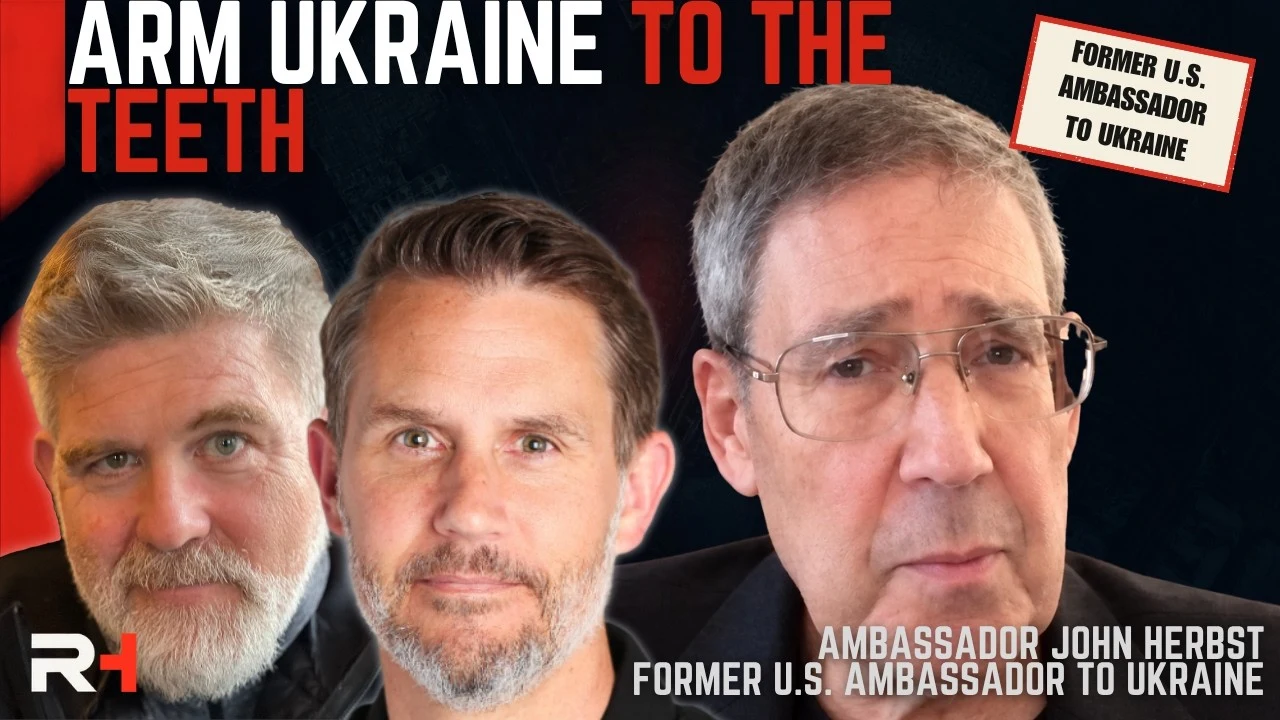
The former ambassador to Ukraine and Uzbekistan joins Ryan and Glenn to connect military support, sanctions, negotiating leverage, and the wider competition with Russia and China.
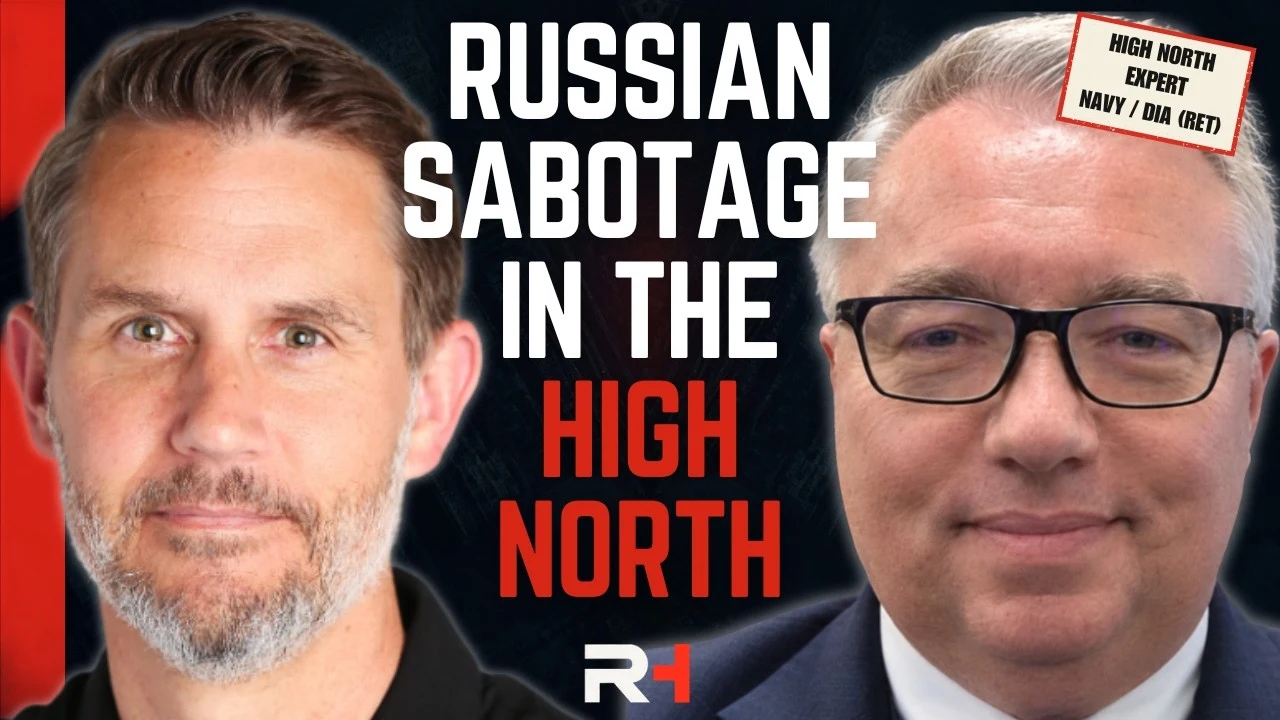
The navalist joins Ryan to explain why Arctic shipping, vulnerable undersea infrastructure, Greenland, and Russian submarines matter far beyond the High North.
The former ambassador to Russia and Ukraine joins Ryan and Glenn on Moscow’s ambitions, Ukrainian resilience, NATO deterrence, and what negotiators need to understand.
Back from a delegation led by General David Petraeus, Glenn recounts an evacuation near the Polish border and asks what it takes to keep Ukraine connected, supplied, and protected.
Reporting from Kyiv, Glenn reflects on 9/11, Ukraine’s resilience, and a battlefield moving underground. Combat veteran Ghost shares the story of the medic who saved him and his work supporting fellow soldiers.
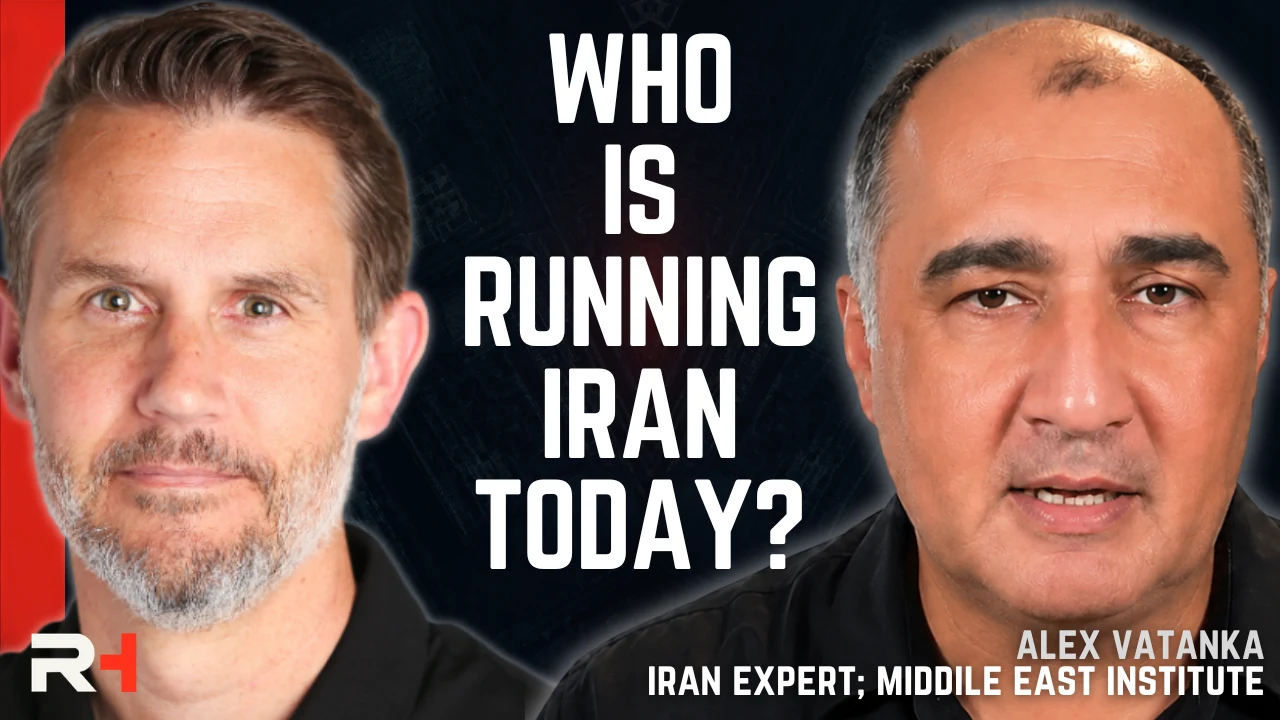
The Iran analyst examines Mojtaba Khamenei’s absence, competing Revolutionary Guard networks, nuclear bargaining, and why military pressure needs a defined political objective.
The former TOPGUN instructor explains what carrier endurance demands, why mobile missile launchers survive, and how drones are changing the pace of military learning.
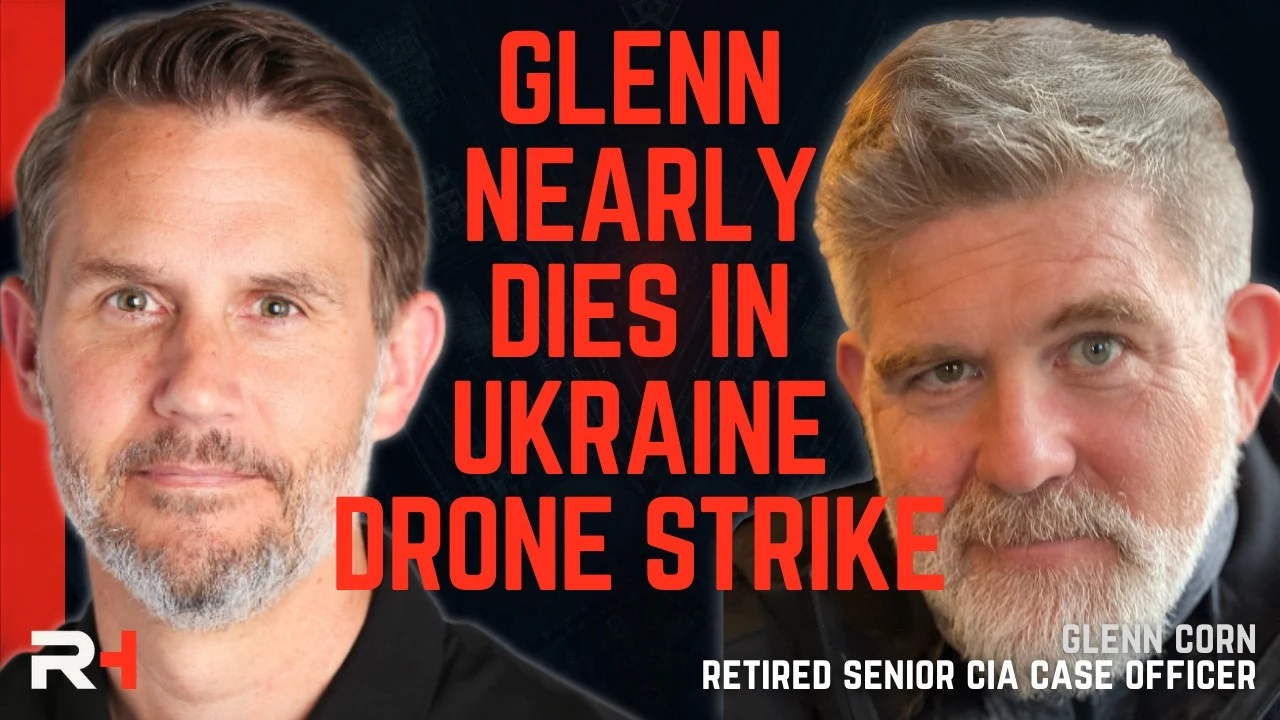
Speaking from Ukraine, Glenn Corn weighs the reported Ratcliffe trip, the value of intelligence backchannels, and what Kyiv needs beyond another round of talks.
Sarkis Karabashian returns from the region with a look at Armenia's U.S. partnership, Russia's remaining pressure points, and the commercial projects meant to make peace worth protecting.
Glenn Corn and Ryan Fugit debate sanctions, ceasefire terms, Ukraine's air defenses, and the ways the Iran conflict changes Washington's leverage with Moscow.
Ralph Goff joins Glenn Corn and Ryan Fugit on Iran, Israel, Lebanon, and why promises to disarm Hamas or Hezbollah are so difficult to turn into reality.
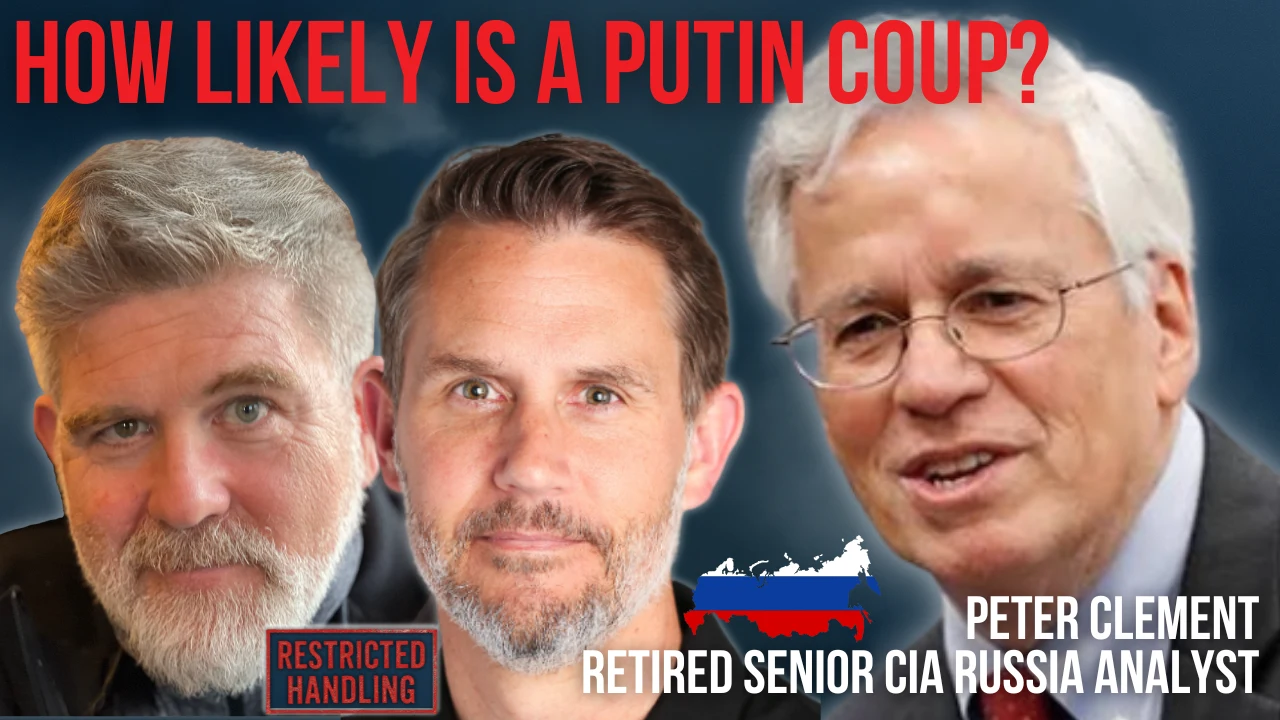
Veteran CIA Russia analyst Peter Clement joins Glenn Corn and Ryan Fugit to examine succession, the people around Putin, and why a new leader would not necessarily mean a new system.
Back from Kyiv, Glenn Corn separates battlefield progress from political turmoil, then follows the connections to Russia's negotiating tactics and Iran's regional pressure.
Glenn Corn and Ryan Fugit weigh Ukraine's strikes, Turkey's relationship with Washington, and the risks hiding behind military signals from Russia and China.
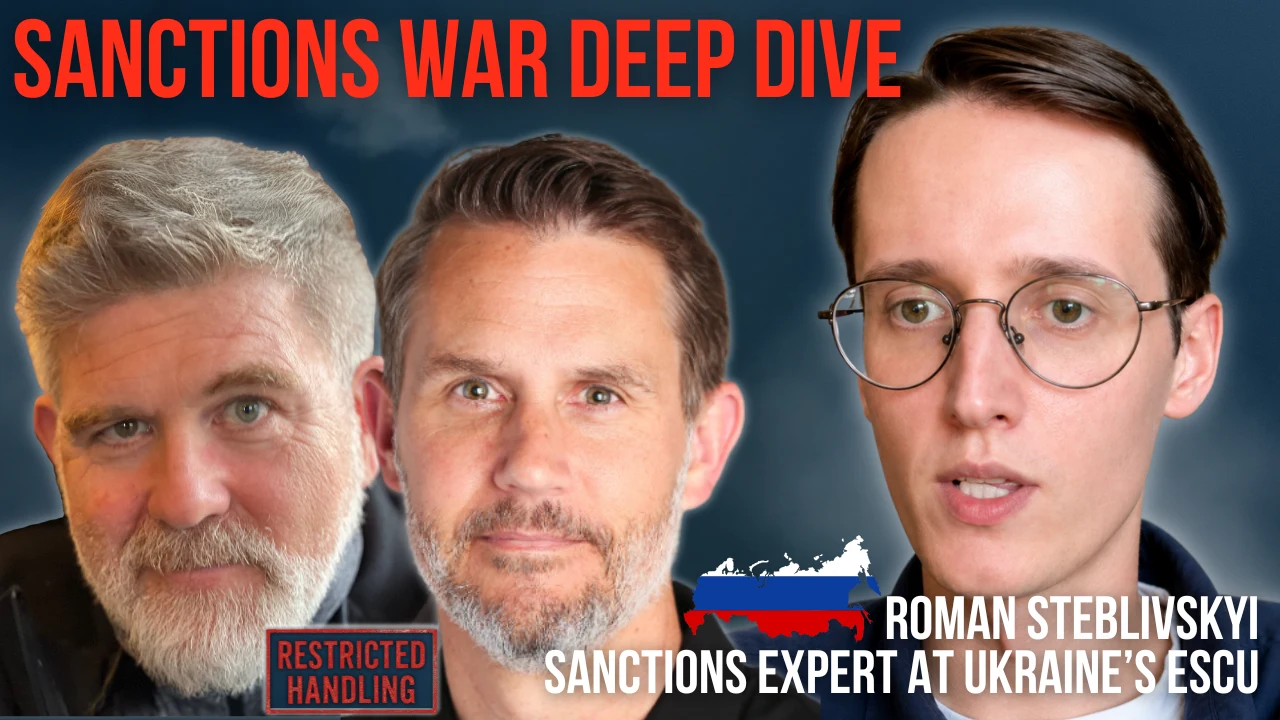
Roman Steblivskyi explains how Russian supply chains adapt, why enforcement matters, and which restrictions he would protect in any negotiation over sanctions relief.
In Kyiv, Glenn Corn speaks with Artist, a Ukrainian officer who traded sculpture and design for military service, about adaptation, air defense, and the life he had planned before the war.
Speaking from Warsaw after a week in Ukraine, Glenn Corn weighs the pressure on Russia, the shortage of air defense, and what Americans should be learning from the war.
The China and Russia specialist challenges assumptions about military readiness, leadership purges, and what a war over Taiwan would require of the United States.
Ryan Fugit and Glenn Corn look past the ceremony in Beijing to Taiwan, promises about Iran, and the security decisions still facing Ukraine and the United States.
Ambassador David Satterfield joins Ryan Fugit and Glenn Corn to discuss Hormuz, armed groups, China, and the diplomatic work that has to accompany the use of force.
Back from Ukraine, Glenn Corn discusses Russian negotiating habits, the pressure around Hormuz, and why Western militaries need to learn faster from Ukrainian experience.