Is Putin Bargaining Iran for Ukraine? Glenn Corn and Alex Vatanka
Glenn Corn and Middle East Institute senior fellow Alex Vatanka join Ryan Fugit to discuss Russia's diesel deal, Iran's nuclear negotiations, and the competing interests shaping diplomacy across both wars.
Glenn Corn and Alex Vatanka / / 49 minutes
Start here
Three key takeaways
-
Moscow sees connected negotiating tables
Glenn argues that Russia could use its relationship with Tehran to seek concessions over Ukraine. The interview presents that as his assessment of Moscow's strategy, rather than evidence of an agreed exchange.
-
Tehran's immediate priority is survival
Alex describes a regime weighing nuclear concessions, economic pressure, and the risk of renewed war. He sees greater prospects for a limited arrangement preserving the ceasefire than for a comprehensive settlement.
-
Iran's partners have their own interests
Alex places Hezbollah and the Houthis at different points on a spectrum of alignment with Tehran. Shared objectives and Iranian assistance do not, in his assessment, establish Iranian control of every Houthi decision.
Episode Field Guide
Explore this conversation.
The people, institutions, and equipment connected to this episode. In the conversation marks a direct mention; Related background adds context.
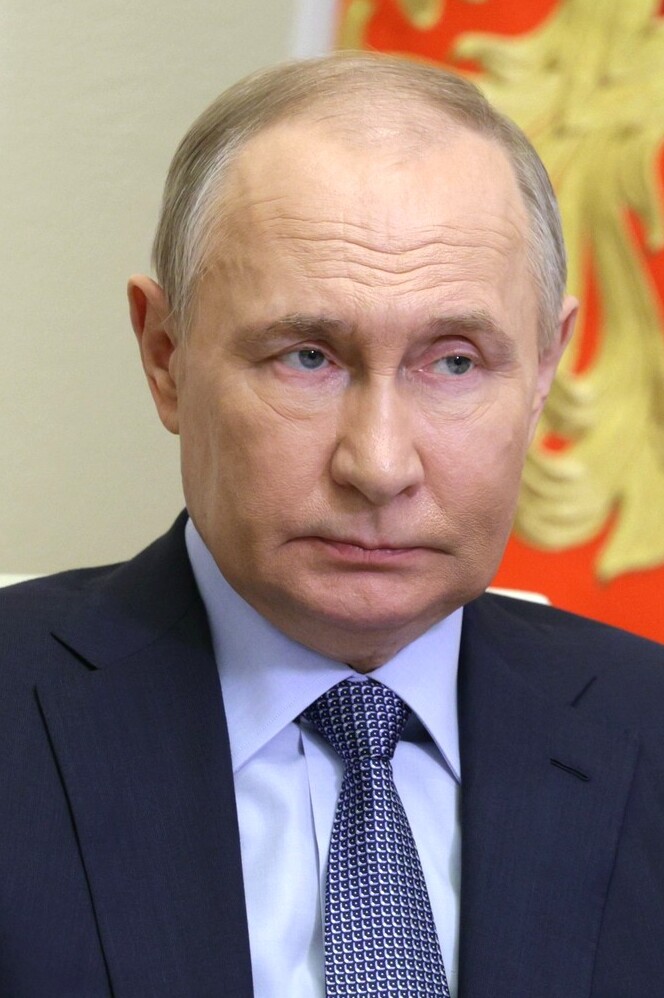
Russia Power Network
Leadership and institutional context for Glenn's assessment of Moscow's bargaining strategy.
Image credit
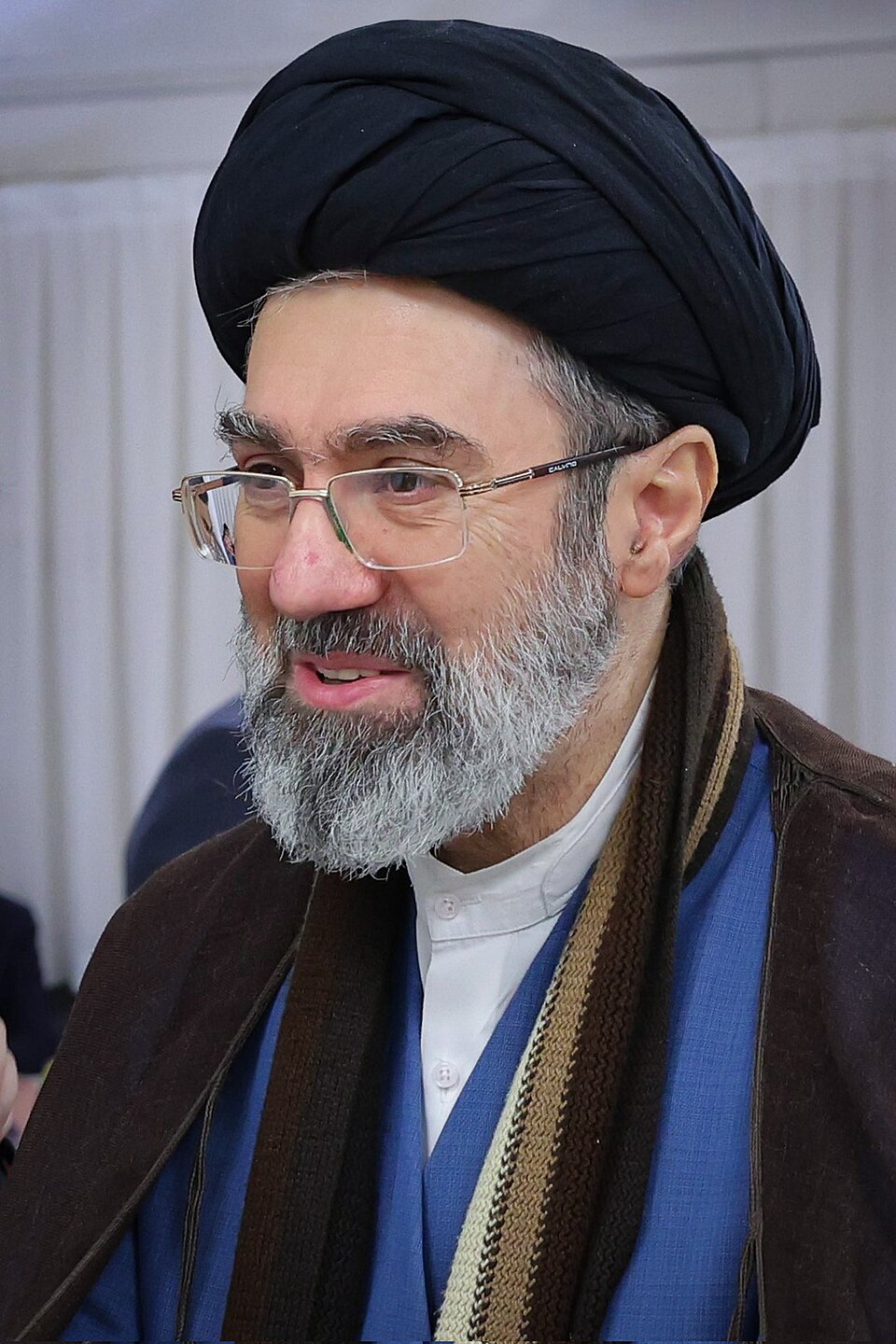
Iran Power Network
Explore the institutions behind the Iranian political and security decisions discussed.
Image credit
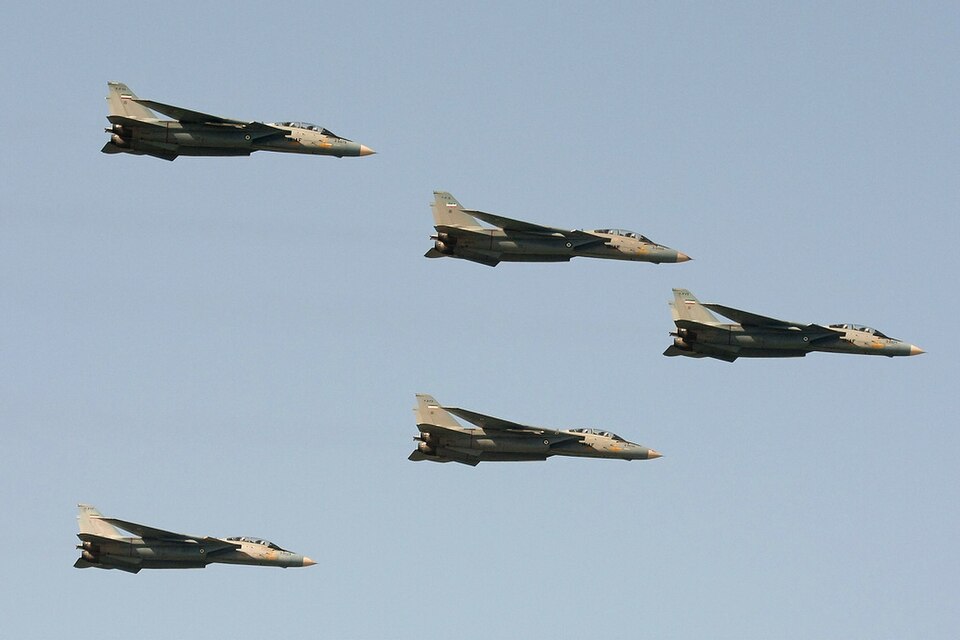
Iran Arsenal
Equipment background for the discussion of Iranian support and regional missile threats.
Image credit
These links are an RH reading guide, not guest endorsements or independent confirmation of every statement in the interview. Episode views reflect its publication date; linked records have their own source dates.
The written account
Russia, Iran, and the question of leverage
Ryan Fugit brings Glenn Corn and Alex Vatanka together for a conversation connecting developments in Russia and Ukraine with Iran's diplomatic choices. Glenn opens with his assessment of the diesel deal and the political benefit Putin can gain from appearing to offer a solution to an economic problem. He asks what Moscow receives in return, and how that calculation intersects with Ukraine's security and its ability to strike Russian energy infrastructure.
The discussion then turns to Russia's proposed role in diplomacy with Iran. Glenn argues that Moscow may seek to bargain its support for Tehran against Western support for Ukraine. Alex examines the limits of Russia's credibility and Iran's own reasons for caution. Their analysis identifies possible incentives and negotiating strategies. It does not establish that the parties have agreed to trade one country's interests for another's.
What would a deal look like from Tehran?
Alex describes a leadership focused on preserving the Islamic Republic while facing military and economic pressure. Quiet diplomacy can continue alongside preparations for renewed conflict. He distinguishes a limited agreement that holds a ceasefire together from a broader settlement addressing the relationship between Iran and the United States. In his assessment, the immediate political conditions favor the more limited possibility.
Nuclear concessions, sanctions relief, and the Strait of Hormuz run through the discussion. Alex asks whether Tehran is prepared to alter its strategic direction, or whether its leaders are primarily seeking room to survive another crisis. A workable bargain would require each side to understand what the other can accept and how it could explain the outcome domestically. The speakers repeatedly return to distrust and the absence of a clearly shared end state.
The Iranian public and the limits of proxy control
Alex urges Washington to take Iranian public opinion seriously. Opposition to the Islamic Republic does not automatically translate into trust in American policy. He argues that political messaging, the consequences of warfare, and uncertainty about U.S. objectives all shape how Iranians interpret outside pressure. The conversation considers whether pragmatic voices inside the system could influence its direction as economic strain grows.
Glenn also asks whether Tehran controls Houthi attacks. Alex explains that Iran's relationships with armed movements vary. He describes Hezbollah's institutional and ideological ties to Iran, then contrasts those with the Houthis' distinct roots and priorities in Yemen. He acknowledges Iranian assistance and converging interests while questioning the assumption that every Houthi action follows an instruction from Tehran. His account is explicitly offered from his perspective as an Iran specialist.
Access, messaging, and what to watch next
The Russia discussion returns to who can communicate effectively with Washington. Glenn considers Kirill Dmitriev's role and asks how Ukraine can convey its own interests to American decision-makers. He encourages a sharper account of what Ukraine contributes to U.S. security. The hosts also discuss the Kremlin's credibility and an unresolved report concerning a death at an anti-plague institute, while leaving the circumstances unresolved.
The closing questions focus on what developments might change Iran's direction. Alex points to the interaction between economic pressure, internal political debate, and the leadership's calculation of survival. Across both regions, the conversation emphasizes the gap between a diplomatic announcement and the choices needed to make an agreement durable. The audience is invited to watch incentives, implementation, and domestic constraints alongside the public claims of negotiators.
Based on the Restricted Handling conversation published October 15, 2026. Views and forecasts reflect the discussion at that time. Original episode and show notes ↗
Full episodeRead the transcript
This transcript comes from the original episode production captions, with spacing adjusted for reading. Names, punctuation, and terminology may contain transcription errors. Refer to the recording for exact wording.
Hello, Freedom Loving people, and welcome to another episode of the Restricted Handling Podcast. Today, Glenn and I are going to break down what's going on in Russia, and there's a lot to cover. And we will be joined later by Alex Batanka, who many of you will know who's been on before, senior fellow at the Middle East Institute to talk at Ron. And Glenn, I think congratulations are in order. It looks like you've picked up a a new role as director of Intel. at Brown Rudnik's national security practice. So congrats to you. And I'm sure your phone is blowing up these days with what's going on in Russia. Well, it's good to see you, Ryan.
Hello, everybody, and thank you for your congrats. Yeah, it's kind of cool. Brown Rudnick just started a national security practice and the the lawyers that they brought in to run that practice, who I know and have done some work for in the past, asked me to come on with them full time and it's a new role. So we're kind of building it as we go. But it's a great team and national security law practice, stu touching about everything that we often talk about around the world. so I appreciate your your warm comments. And if you need a lawyer, let me know, Ryan. I hope we don't.
Yes, I hope we don't. Yes. Alex. I have Alex, I I had shared our interview with Glenn and just mentioned, you know, you are senior fellow at the Middle East Institute. You cover so many things to do with Iran, very glad to have you. Thank you for coming back on with us. Well thank you, Ryan. Alex. Glenn trick nice to meet ya. Nice to meet you. Ryan said great things about you. I think some of our followers said great things about you. I was actually gonna start by asking Glenn a little bit about this Russia deal on diesel, which Beautiful. I know will impact what goes on in Iran.
So I was very excited actually for the timing of this. Glenn, we've got the the diesel deal, for lack of a better term. what do we know about it so far and and what does Putin get from this deal besides just Getting some financial gain coming in for the first time in a long time. honestly, I think what Putin's getting from this is just a big PR win and causing a lot of consternation and and trouble in the West, including in Washington. I think what I'm seeing is this has turned into a snowball. It's it's kind of a a very ugly situation right now where there's a lot of accusations being made, a lot of people what I've seen people spinning one piece of information into a much worse.
Scenario. it started with, you know, the president announcing this deal that he made with President Putin and then turned into the US is cutting off intelligence support to Ukraine. Starlink has been turned off. The Americans are now supplying the Russians with weapons or all kinds of you know crazy stuff. If you look on social media, a lot of that stuff is incorrect. It's it's it's Mm. at best it is distorted. At worst, it's being promoted it's disinformation. And what concerns me, I'm sure the Russians are behind some of that disinformation, along with our other adversaries who love to see us tearing ourselves apart, both as a like the Western countries, you know, NATO, US, Europe, of course the Ukrainians, they're trying to drive a wedge between Ukraine and the US.
and so you have that going on, and then you have a lot of people who are just really upset and emotional. And I can understand that. And they're they're reading little pieces of information and they're turning it into a much worse. They're making mountains out of molehills, or not I wouldn't say it's a molehill, it's probably a little worse, in my opinion. but they're making it much worse. And I, you know, I've been telling everybody just take a deep breath. Everyone needs to calm down and look at this objectively and look for facts. What is really going on? Why was it done?
Is there a strategic alliance between Moscow and Washington? My own assessment is no. The president is going into midterm elections and he wanted to do something to try and bring down the price of diesel. And he's answering to his constituents, especially, you know, farmers in the Midwest. he, you know, I think that was his objective, but it's gone. The the messaging has turned into something much worse. And yeah, I mean, and I think, you know, all sides need to take a deep breath, take a step back, see where we're at. And everybody, you know, I mean I'm asking everyone, don't just see something on on social media and then push it ahead, you know, relay it or whatever we call, forward it to a bunch of other people unless you really are sure what is said in that piece of information is correct.
And that there's, you know, I give you an example. Yesterday there was a lot of stuff going around. The US has cut off, or two days ago, US cut off all intelligence sharing to Ukraine. The Ukrainian foreign minister came out and said, No, that's not true. President Trump said it's not true. Okay. but people kept pushing this narrative around. And I don't think it's very helpful. The only people it helps are are is the the regime in Tehran, Moscow, Beijing, and Pyongyang. So everyone, deep breath. And it it does go back from what I'm I'm reading, some reporting, Kharil Dmitryov kicked off a lot of this, I think, in early September.
And then to your point, Trump and Putin have this phone call and it's kind of announced that this is the direction things are going. There was talk of an energy ceasefire. And I think this is why it's so important to talk Iran and Russia at the same in the same context here. The energy ceasefire, as confirmed by unnamed US official, really was specific to refineries. not all energy resources. And Moscow sent, I think, three dozen ballistic missiles last night targeting over 20 energy facilities in Ukraine. Ukraine doesn't have a lot that it can respond with if it can't hit refineries in Russia. But to your point, Glenn, and this is where I want to go to you, Alex, this is many are seeing it as a domestic play, which is right. For President Trump, he has to play to to the American audience.
That's who he's responsible for. But I think a lot of people will say that it's Iran and Hormuz that has jammed up diesel prices and run them up so much over time. So maybe Alex to you, there's a deal that has been in the works for some time in Iran. Curious where we stand with that and who is making the decisions there in Iran when it comes to this deal. Yeah, Ryan, look, and by the way, it's great to be with you and Glenn. look, you can all sorts of news from Tehran, from Washington, from some of the capitals in the region that, you know, the quiet diplomacy is is working its way forward.
today's latest w speaking of Russia is this notion that the Russians are now offering their services as mediators, that You know, if US and Iran can cut a deal, that enriched Iranian uranium can be lifted up in its entirety by the by the Russians and taken out of Iran to Russia, and that could be part of the solution. Not sure how much of this is actually happening is true whether or alternatively the Russians are trying to present themselves as capable mediators. but you know, the fact is Iran is Pretty much from what I can tell, doing what they are officially saying they're doing, which is preparing for another round of war, which by most estimates will be the worst round to come, and they're pre preparing to retaliate.
an energy sector in the region will be part of that retaliation. A lot of it is bluster, a lot of it is aimed to sort of shape the calculations of the Trump administration. Just to give you a concrete example of how that looks like in terms of the words that are being expressed by officials in Iran, the latest we hear is that it could involve the Iranian ground invasion of neighboring states. I mean, that's the sort of thing that, you know, militarily, I don't even know how much you can make sense of that, but in terms of putting the fear of God in some of Iran's neighboring states, particularly to the south, might actually deliver.
So The Irani saying that the war could happen. At the same time, they're also looking for a potential diplomatic breakthrough without crossing their red lines. And we all kind of know by now what those red lines are. They're not gonna entirely give up the enrichment program, but yes, they may be willing to cut it back to a very low level, kind of similar to JCPOA, or even suspend it entirely while the pr Trump team is is in power. And then look for better days after the this American presidency is over. but I'm not sure if if the Iranians think that is at all feasible.
I and I'll say this, Ryan. we've heard it because you asked the question who's making the decisions, and we can get into that because there are different ways of answering that question. you know, what kind of an issue are we talking about? But in terms of a ceasefire and a potential temporary deal with the United States. I don't see much of a daylight between the various factions in the Islamic Republic. And the other thing I don't see much daylight between them when it comes to that short-term potential deal and whether it's gonna happen or not is this entrenched view that you you really have a hard time ignoring, which is the one that says the Trump administration is going for the toppling of the Islamic Republic.
It will try. Different ways of getting there, but that it's its its final destination is not a nuclear deal with Iran, it's the end of the Islamic Republic. So the lot of folks in Iran believe that will be America's game plan while President Trump is in office. and he will be, again, according to this Iranian view, very much encouraged to go in this direction by the Israelis, particularly Prime Minister Netanyahu. We have elections in that country in a few weeks' time. What happens there obviously remains to be seen, but My understanding and listening to my Israeli expert colleagues at the Middle East Institute is yes, there are a lot of differences between Netanyahu and his opponents, but on Iran, actually, there's more agreement than you might think.
So a lot of question marks, as you can hear me say this, but yeah, the a deal could happen, but at best it will be a sort of a short-term deal, preserving essentially the ceasefire. I don't hear anyone in the United States articulating the big agreement, big deal with Iran, and I don't think the Iranians are taking that prospect very seriously. So they're in the business of survival at least for now. Alex, I mean, going back to the beginning of your comments, d the Russians are offering to be brokers here of some kind of peace agreement, which is not a surprise. They did that earlier, and President Trump's response was you focus on bringing peace an end to the war with Ukraine, we'll focus on dealing with the Iranians, which I think was the right response then.
I hope it's the same response now, in my personal opinion. But what do you think? Do you think that the Russians have any real influence over? The Iranians, can they play a positive role in ending this conflict in a scenario that would be acceptable to this White House? Or do you think this is just the the Russians trying to take advantage of an opportunity to be seen as players on the world stage? I'm glad the most obvious one to point out too, and I'm sure you agree with me, is it's just Russia in terms of size and weight is a just a different category of some of the other mediators we've had.
In fact, you could call them more messengers than mediators. I mean, no disrespect to countries like Qatar, Oman. They're doing a hard, hard job here. They they should be thanked for all their efforts. But the fact is, you know, they're not Russia. so the the Russians being involved in a way where they can perhaps Assure the Iranians that because here's here's the deal if you're Iran, you look at the American president Trump, and you do not believe a single word that he promises you. That's exactly where they're positioned. Because they say, look, we dealt with this guy and he bombed us twice, middle of the diplomatic tracks.
Why would we believe he's gonna stick to anything we sign with him? Well, if the Russians are involved, perhaps even if it's sort of somehow linked to Russian American, you know. dealings over Ukraine or something else, well, that might make a difference. That might at least give the Iranians a sense of assurance that they certainly don't seem to have right now. So you know, Russia today is still having to wrestle with this issue of its reputation in Iran. And it's a reputation of a country that obviously, and perhaps one shouldn't hold this against the Russians, but looks after its own interest above anybody else's.
Which in terms of history has meant Russia has been willing to sort of, if you if you if I can use Iranian language here, throw Iran under the bus when it suited its needs. And it goes back to the early 1990s. It goes back before the days of Boris Yeltsin. So the Iranians have a track record saying, well, the Russians are actually, you know, not going to be there for us because if something better comes around, they can throw us under the bus. But Iran is not in a position to pick and choose the way you you Perhaps you could have done if you were Iran a few years ago.
The country is under a blockade. This is something very new. This is not sanctions, this is a blockade in the next six months' time. things could really go south for the Iranian economy and the Iranian regime. And what I'm telling you is openly discussed in Iranian media daily that time isn't necessarily on their side. And this is a big part of the fight inside the regime. Like, should we cut a deal now, when before it's too late? Or as the hardliners will have it, no, the Americans don't have a game plan. and time is on our side. And 2026 is the beginning of the end of the American hegemony around the world, type of language that you hear from some of these Iranian hardliners.
Who wins that debate? I don't know. but in terms of to your point, Glenn, Russia, let's let's wait and see if some of this chatter is actually true and what concretely the Russians can do to convince Iran that you know it's in its its interest not to gamble with the future of the Islamic Republic. Because the one thing the regime in Tehran and Vladimir Putin have in common is their interest in seeing the Islamic Republic survive. Right. Yeah. Right. Glenn, can I send that same question to you? Having like taking it from the Russian angle, do you think that they have or feel like they have influence with Iran and could steer an outcome here?
Well, I wanna just reinforce something that Alex said is that the Russians have used Iran and thrown Iran under the bus multiple times. my understanding is they're trying to bargain Iran for Ukraine, in in some of the discussions with the US. And if I were the Ira How how so I'm so sorry to interrupt. How how do they try to position that? How are you hearing it? that they that if if the US stops support to Ukraine, they'll stop support to Iran. And we all know the reporting that the Iranians are getting intelligence support from the Russians, probably I mean, we know for years military support, other types of support, obviously some diplomatic support.
So my understanding is that they're bargain they're using that as a bargaining chip. and it probably will just reinforce the the suspicion that Iranians have about the Russians' real intentions and how reliable they are. As partners. I I personally don't think that that this White House, again my view, should allow the Russians to play any role in the negotiations because the Russians themselves in the past have probably encouraged problems in the relationship. They say one thing openly and behind the scenes, they've done other things to try and continue to make sure that there's hostility between Tehran and Washington.
I think they view that in it's you know their best interests. When people here say win-win, I always say this, you know, we've had some US officials talk about win-win with Russia. There's no win-win for the Russians. It's zero sum. And they don't see a a relay a good relationship with Iran and the United States as a benefit for Russia. They see it as a loss for Russia. So they want to keep Iran in their in their corner or beholden to them and far away from the US and the West, in my opinion. Ryan, could I quickly add to something that Glenn said? I mean, over the last few decades, you know, oftentimes the conventional wisdom was yes, the Russians are playing the Iran card vis-a-vis.
but fundamentally they shared the Western concern about Iran weaponizing its nuclear program. That had to be the conventional wisdom for for a long time. And by the way, the same can be attributed to the Chinese opinion about Iran's nuclear program. They too have a concern. But today, when I listen to some of the Russian Middle East watchers, increasingly what you hear is Russia would rather have an Iran turning into a North Korea weaponizing nuclear program than losing Iran. I mean the the loss of the Islamic Republic, who knows what comes after. But there's a very strong chance it could be something that would be pro Western in a sense.
It doesn't have to be a return to the days of the Shah But it certainly would not be the sort of open space that Russia has enjoyed for so long. To to Glenn's point of Russia not going for a win-win, I mean, Glenn, that's one of the questions I wanted to ask because of the diesel deal, like kind of being presented as a carrot potentially. Alex, is there a win-win mentality in Iran with the US when they view relations with the US? Is there a potential win-win outcome that is palatable? Really depends how high or low to set the bar. I mean, look, a win-win could look as simple as Islamic Republic waking up half a century later after the revolution of seventy nine, realizing this is not a game that can continue forever and ever.
It's coming at a high cost. The Americans, Israelis are now repeatedly engaged in warfare and Iran could decide for its own national interest to go in a different direction. If that's the conclusion in Tehran, the bar could be be very low because You know, what do you have to do? You have to open up the Strait of Hormuz, you have to make some concessions on the nuclear front, you get your sanctions relief, and then you can call that a win win. And you know, if you're Iran, you can always claim that, you know, we were attacked you by United States and Israel, two nuclear armed countries, and and we survived.
And that's a win. I mean, it's kind of similar to what President Trump could do on the US side. It's also very easy for him to at any moment declare, and he has done it repeatedly declare victory, says, Well, I Supreme leader is gone, I've attacked the nuclear program, it's dead, and move on. But I'm not sure if that is going to be the prevailing view in Tehran in terms of what they would consider right now you know achievable. Right now, I think they still seem to think that the United States is basically just hoping that the blockade will strangulate the regime and that Iran.
Found ways to go around the sanctions, it will also find a way around the blockade and it will survive the Trump administration. And if that's how you look at the world, then they might not think that they they they need to throw everything in for a deal at this point. But you know, as I said, just very quickly, right, this blockade is a great unknown. This is a country of just about ninety million people. And people need to eat and drink. And you know, they don't have to go on holidays, but they need the basics. And yes, the regime is ruthless. Yes, the regime will kill, and it has done repeatedly and it has served it well in the sense that it stayed in power for this long.
But that's going to be a question mark in terms of how long you can kill if the sort of mobilization on the grassroots levels reaches a a point where you just you know, the dam will burst. Do you think, Alex, that there's there's any are you seeing any signs that there is any grassroots mobilization? Is there any opposition left after all the arrests and murder of you know people that came out to protest late last year? Executions. Yeah. Yeah, executions. Glenn, we we we're not seeing anything that to me suggests the regime is losing sleep or over it. Yes, in the last few weeks we've seen some militant attacks by some of the ethnic Baluch.
We talking a few hundreds of people at most probably in the southeast on the border of Pakistan. That has his history behind it going back decades is not going to be a game changer. The Kurds are interestingly very quiet up in the northwest. the traditional opposition in Iran. And let me just quickly point to something that former President Mohammed Khatem has just said today. He was out there saying, Look, you know, yes, congratulations to the IRGC. You've blown up some American bases in the region, and and good for you. But really, what does it mean? Does that mean you've defeated the Americans?
Does that mean they're not going to be able to come back heavier and hit us harder? So he was basically in a polite way, without you know, insulting the IRGC general saying it's time for us to have a rethink. so I I think, you know, for me, again, forgive me for taking you back to that debate because that's really critical in many ways. Where is this regime that's in transition today gonna go with Muchtaba Khamenei in in hiding, the guy who was the spearhead of anti-American sort of messaging, Ali Khamenei is no longer there. The regime has now been repeatedly attacked.
The Israelis are saying more attack might happen. Netanyahu's promising the end of the Islamic Republic. So all that put together, you know, if you're an Islamic Republic official today, if you ever had a need or a a a cause to maybe have a heart think about what really matters and what doesn't matter, today is the moment to to s have engage in a bit of a soul searching, if you will, certainly on the question of what to do with the Americans. Glenn, speaking of leadership, I wanted to ask you about President Trump's comments that Ukraine could use another president, which probably doesn't come at a good time with with everything else that's going on.
I'm sure as you travel to Ukraine often you're getting questions about what this means, telling people not to overreact. It's a pretty strong statement though, coming from President Trump. How does Ukraine, like how would you advise Ukraine to respond now? What should they be doing? Well, I I would remind you that last year when President Trump and Zelensky had a very ugly meeting in the Oval Office, before that, just before that, I was in Ukraine and and Zelensky's polling numbers were very low. After that, his numbers jumped. So there was a joke going around that maybe he did that deliberately to help Zelensky's popularity, right? There we had a good agreement.
I I I wonder what the polling is now. I don't know. Before this there was a lot of criticism of President Zelensky among Ukrainians that we were hearing. I, you know, listen, this is what I go back to the emotion thing. I think President Trump and President Zelensky have both lost their tempers to some degree. And it's becoming personal, and it shouldn't be personal. That's why I mean everybody, when I say everybody, everybody should take a step back, take a deep breath, and think about what is in the long term interests of of both countries and and both societies.
And you know you know my view on this. I don't think it's in the US long-term interest to be aligned with a a guy like Vladimir Putin and you know the the current regime in Moscow. And and I do think it is in our interest to stay supportive of Ukraine, a country that's fighting for its sovereignty and it's a lot of the values that you know I grew up believing in. I think we probably all grew up believing in. but it doesn't mean that the president of the United States does not have a right. To try some, you know, have engagements with other leaders, and that the the president of Ukraine should then come out and attack or, you know, become aggressive in his comments, because that doesn't help at all.
And so, you know, I think some some people viewed the response from Kiev as being overboard. and and especially in the base of President Trump's among the base of his supporters. And so, you know, my advice to the Ukrainians remember the United States president is talking to the American people. That's his first priority. And this president has been very clear, it's America first, right? And so he's talking about trying to address a problem that we have right now, partially related to the, you know, the war in the Gulf. and that has to do with the price of fuel and how it's impacting Americans as we're going into an election.
And I think Scott, I at the Secretary of Treasury was on one of the news programs this weekend and he said, listen, the Europeans continue to purchase more oil and gas from the Russians than than we do. They're spending more in Russia. They're giving the Russians a lot of money. And yet, when we make a temporary deal to try and address a economic challenge we have, you know, we get attacked. And that's a double standard, right? So, Everybody just take a deep breath. That's that's my advice. And my advice to the Ukrainians, I think there are many Ukrainians. This my phone is ringing off the hook because many of my friends in I'm sure. Ukraine are worried that we're turning our backs on them.
And I'm I I I am it's like unfortunate to see that because I don't want to see that. We should be standing strong with the Ukrainians right now, in my opinion. And the message should be very strong to the Ukrainians. We're with you and to the Russians that we will not sit back and allow you to kill civilians and to terrorize Ukraine. The way you're doing the civilian population. And the last point I'll make is I always find it very interesting. The Russians are killing civilians on a daily basis, and yet there's no protest movement here in the United States. There's no groundswell of people going to the streets protesting this. That is interesting. Unlike unlike the situation in Gaza, Yeah. right, with the Israelis. And that makes me scratch my head because Americans should be very bothered by what's happening and the way that the Russians are waging war.
I wonder why they're not. That's a good point. We've never really talked about that. Hmm. I don't know. But but la let me go back to Alex if I can. Let's Yeah. let's talk about like the current big challenge, like the the tactical five meter challenge right now are the Houthis and what's happening, you know, with the Houthis attacks on the Saudis. I just talked to somebody today who just came out of Saudi Arabia. He couldn't fly out, he had to drive because the airport was hit. He said when they arrived in Riyadh, the the the airport got hit as they were landing.
Do the Iranians have full control over the Houthis? And do you think that they're encouraging the Houthis right now to to ratchet up aggression against the kingdom to try and undermine the US coalition? Glenn, before if you could indulge me, before I answer the question under Houthis, just quickly going back to what I heard you describe, sort of putting US certainly President Trump's foreign policy rhetoric, if not decisions, in the context of American politics. if I could just, you know, just tackle that same feature in the context of the Iran war, what I would say is the administration, because you asked me earlier where is the opposition?
And I gave you the Muhammad Khatami example. I wanted to build on it, I forgot. But the point is this not just the opposition, so called opposition inside of Iran, but also in the diaspora, in the large, we talk of six, seven million, maybe more, Iranian diaspora around the world. They're listening to the meandering and the zigzagging of the Trump administration on its Iran policy, and they're left with with the following conclusion these people are either not telling us what they want or they don't know what they're doing. Either way is too dangerous for us to get involved.
So I've been saying this for months. Your biggest asset against the Islamic Republic is not the United States Air Force, as mighty and beautiful as they are in terms of what they're capable of, it's the angry Iranian public opinion. And what do we have the Trump administration do from end Iranian civilization to the recent speech by Marco Rubio in Greece putting down the Persian civilization, turning the Iranian public opinion Against the United States, Mm. giving the regime such a freebie that it just it just you don't know what they're doing. On the intellectual level, you you just don't know what on earth is Marco Rubio doing in Athens, putting down the Persian civilization when he should have said the Persian civilization would never have put up with the Islamic Republic.
And you're wondering: is Marco Rubio already entering the presidential race? Is that what that speech was about? Or is he actually interested in ending the Iran war in a way that is favorable to the United States? I I'm not sure where that speech was gonna go, but just to give you an example of why so many people in Iran, when it comes to their hatred for the Islamic Republic, nonetheless don't know they should try trust a single word that comes out of the Trump ministers. That's a problem for for Washington right now. But your point about the Houthis. Look, I've always said if you're looking at the sp the proxies of so called proxies of Iran, there's a spectrum.
You got entities like Hezbollah in Lebanon, which is pretty much the Islamic Republic. I mean, they believe in the supreme leader as their leader. They're 12 are Shias. They were founded by the Iranians some 40 years ago. They have always been close to Iran. And you could make the argument they would go to war for Iran when Iran calls. Not so with the Houthis. The Houthis are at the other end of the spectrum. They do not have those affinities that the likes of Hezbollah or the Hashtashab in Iraq have. The Houthis, and you know, I've got into some Intellectual debates on this, but I'm firmly convinced, and I'm not a Yemen expert. I look at it just from an Iranian perspective.
The Houthis are their own movement. They are theologically different. They have a lot in common with the Islamic Republic when it comes to their worldview. Obviously, anti-American, anti-Israel. They're even more hardcore. They even go after ordinary Jews in their slogans. Even the Islamic Republic doesn't do that. but they have their own agenda inside of Yemen. And we know when they started firing missiles at Israel after October 7th, they didn't do it because Iran called it. They did it because they thought that would go down well in Yemeni society and raise the Houthi reputation, if you will, in the in the you know broader Islamic world.
Now where we are today in October 2026, and with all the latest uptake in in in attacks, you clearly have a convergence here. I don't think the Iranians are upset what the Houthis are doing. in fact, obviously it very much works in their favor. If you want the energy crisis to get deeper, what the Houthis are delivering is exactly that. If Iran wasn't delivering or or f achieving its goals by shutting or shooting at tankers in the Strait of Ormose, the Houthis, what they're doing is just helping that Iranian cause. But I don't think that's necessarily Iran having asked the Houthis to do it.
I think the Houthis made a decision on their own, sometime in the middle of July. When that delegation was coming back from Ali Khamini's funeral in Tehran and the Saudis stopped it from landing, that's when the sort of whole issue of Saudi blockade suddenly took a life of its own in ways that we hadn't seen in the since in 2024. And they decided, you know what? If the Iranians can pull it off, maybe we can. So they're pursuing their own interest as a movement. Does it converge with what Iran wants? Absolutely. Are they totally beholden to the Iranians? Big question mark for me. I think Hezbollah from Lebanon has helped the Houthis for years. The Iranians have helped on the drones and ballistic missile.
But I don't know, and you guys maybe educate me on this, how much independent or indigenous capacity exists in Yemen that the Houthis tap into to produce some of the the sort of firepower that they have, which is pretty incredible for guys in sandals to fire off ballistic missiles and take out pretty significant strategic infrastructure. One last thing I say. I was taken back by the Wall Street Journal article today that China is providing some of that help to the Houthis today and the Houthis are putting these ballistic missiles together. Again, reminding everybody that there are entities out there, the Russians, the Chinese of this world, who might not have any affinity with the likes of the Houthis of the Islamic Republic, but do have an interest in giving it giving the Americans a bloody nose, if you will, in the Middle East for their own interest and long term plans.
Yeah. I I agree with that. Although I have to tell you I am wearing sandals right now, Alex. So no. I'm childish that. I hope you don't have a ballistic missile somewhere nearby. I do. I sit behind my desk. You're not as mobile as you used to be, You're gonna work. Glenn. No, but I I agree with you absolutely. They there are people that are very interested in giving the US a bloody nose. And we cannot forget that. Let me ask you a a question about the Iran deal that's on the table right now. And Alex, my understanding is from a negotiating position, we're waiting on Iran to respond through mediators, But I'm trying to understand, if I'm a regular American kind of looking at what's going on with Russia and Iran, why the US would have just cut this deal with Russia when if the Strait of Hormuz is open?
They get something like 890,000 barrels a day that go through that strait that supports diesel overall globally. Russia with this deal will produce, I think, 75,000 barrels per day over the next month. That maybe goes up 50% in November and then maybe doubles in December. Not a lot. And widely seen as that deal with Russia is not going to help the US constituents that President Trump is hoping to. Does it give him PR win? Probably. But I guess with what's been going on with Iran, if opening the strait could have alleviated some of the concerns for Americans, I'm curious why Trump didn't try to do this sooner with Iran.
It seems like the sticking point is nuclear is the timing, right? Iran really wants Remove the blockade, allow everything to flow, then seven days later we'll talk nuclear. The US is gonna talk nuclear first. That doesn't seem insurmountable. Could they not be done at the same time? Seven days doesn't seem terrible. If you're trying to prepare for the midterms, I'm just surprised we couldn't find some middle ground on this one. Just curious for your take, Alex, on that. Yeah, I mean very quickly, Ryan, I think that's an excellent point you making and I think the Iranians, I Abbasaraki, the foreign minister, when they delivered that seven point plan to the Americans, I understand during the United Nations week in New York City, it was a condensed version of the Islam about memorandum of understanding.
They basically halved it. You know, some of the core issues hadn't been removed. If if I was Iran, I would at this point say, you know, why am I insisting on a region wide ceasefire? Why do I insist on what happens in Lebanon or in Yemen directly links to me? I can only justify that kind of insistence if I look at Islamic Republic behaving more like an ideological animal as opposed to being focused on its own national interest. And you know, maybe they are gonna give up being ideological if the pain increases. But as I said earlier, I think at this point they're still thinking maybe they can survive it. But no, look, it's about leverage, right? It's all about leverage.
Iran's not gonna give up both the Strait of Remus and the you know, the give up anything on the nuclear front at the outset. They're gonna Go in, start the negotiations, use the Strait of Hormones to get a bit better deal on the nuclear front. I think that's basically what it is. And to your point, if there is political will and trust, and my God, there is no trust. There is no trust. There's no trust. There's no trust. Either direction, right? I mean neither direction. I mean it's it's half both yeah. Glenn what should be? Yeah. Well, no, Alex, I want to ask you a question.
So everybody says, and I think this was my experience, that the Iranians are very, very good negotiators, that they're very organized and they're very, very prof like disciplined in the way that they approach negotiations. Do you do you agree with that? And then if that is the case, why? Why are they so good at when they approach negotiations? I I I don't know. Look, I let me just refer back to someone I mentioned earlier, Mohammed Khatami, just to to give you a sort of a another person's voice rather than mine, to to make a point. he said, Look, look at the Chinese. Don't you think they have bigger problems with the Americans and genuinely think they can displace the Americans?
We could never do that. Iran could never do that. And look at the Chinese. Look how they deal with the Americans. They trade with them, they engage with them, their president goes out there, invites tens of thousands of Americans to go to China. Because they play the long-term patient game and they don't wear their emotions under, you know, on their clothing. They don't scream. They don't do things like that to America. They're not, but they're far more deadly to America than Iran ever could be. So what he was basically making the point that, you know, to your Your point, Glenn, are they great negotiators, maybe on a tactical level. But sometimes what's that expression?
You can't see the forest for the trees or whatever the expression is. You missed a point. What are you fighting over? What are you doing right now? If you are Iran, at this point, 47 years after Khomeini returned to Tehran, surely you know that the leadership of the Islamic Republic is beyond your reach for various reasons. A new Islamic Republic did you not do yourself any favors because your track record and behavior Supporting the likes of Assad didn't really endear you to the average Arab or Muslim out there. So at this point, maybe, since you're daily or not daily, but regularly being bombarded by the global superpower and its regional partner Israel, maybe it's time for you to rethink some of the your past policies.
And if you do that, maybe you negotiate not just brilliantly on a tactical level, but you actually open up your strategic horizons and choose to go in a different direction. Whether the regime is capable of doing that is a different matter. And I would just add one other point to that. This isn't just foreign policy for the Islamic Republic. We have to remember that there is a good size of the regime. I wouldn't say majority, I wouldn't even say a small minority, that genuinely thinks a big change on that sort of question of the of America, the anti-Americanism, if you will, if that ever came about, essentially, worst case scenario, they'll be out of business.
That's their bread and butter. Being Yeah. anti-American, espousing that stuff is all they know. Because that's what they've done since they were kids. I mean, if you're in your 50s today, your entire life in the Islamic Republic, that's what you grew up with. You take that away. What do you stand for? What what what do you represent? I mean, are you gonna engage in AI or become a technologist or do what well, how are you gonna find you know, purpose in life? and that's why you there's so much, I think, blind pushback to the idea of rethinking the position on the United States.
It's blind, it's sort of on autopilot, it doesn't make sense. Iran could help itself massively by ending this war. It's already proven that it's got the industrial base, it's a threshold nuclear state. You can bomb it another hundred times. They got the scientists, they can I mean, my God, nuclear technologies from the second world war. You know, it's not it's not that hard. It's it's a question of the politics that this regime is associated with that scares so many in the neighborhood in the world. All that needs to be changing. And if that all did happen, and that maybe gives the you know credibility to those folks inside of Iran who were fearful about this pathway, which we would be def essentially a different Islamic Republic.
It wouldn't be Islamic Republic that we know it anymore. to quote Vice President Vance. I I really, you know, my hope has always been when it comes to to Iran, is that Iranian civil society at some point will find a way to actually Express itself in ways that the regime will take them seriously and start changing its behavior, not because of external pressure, but because the d you know the the internal realities are changing against them. Again, it takes me to a point of you mentioned, Glenn, about the opposition. Yes, the opposition right now is not something the regime fears, but that doesn't mean that's gonna be the case forever.
When when a country that should be a top 20 economy in the world is keep dropping, I mean the I I think the last IMF forecast is talking about seven percent. contraction of GDP of Iran, a country that literally sits on trillions of dollars of oil and gas alone, never mind their mines, never mind their human capital, all this stuff. And what are they doing? They're blockaded. I mean why? Why is Iran blockaded today? For what reason? What territorial dispute do they have with the Americans? What I mean, how do they end up in this mess? With the Israelis the same. Yeah.
How do they end up in this mess? Non-Arab Iran is engaged in in a fight for its life when twenty two Arab countries out there one way or another of finding ways to tackle the Israel issue differently. So yeah, Glenn, that was a long answer to your question about Iranians being brilliant negotiators. Mm tactically, maybe. Patient, yes. but you know, in terms of where are they going, I'm not sure if that they're that brilliant. Yeah, can I ask you just a question? we haven't really talked about before, Glenn, but I'm curious as some of these comments Trump made about Zelensky and trying to find a new president and how he reacts.
I'm curious from your perspective, who does Zelensky go to for advice? Who can he rely on? Do they have a Kirill I don't know. I mean Dmitriev? do they have someone like that that kind of bridges I did. Ukraine to the US? That's a great point and it's a great question. There are all these groups that are advocating for Ukraine, and they're very active, and God bless them for what they're doing. But I think that right now that the advantage that Russia has is this, you know, I call Kirill Dmitriev the the White House whisperer. He's whispering in the ears of people.
He he presents an image that is very it's likable for many Americans who worked on Wall Street, who understand finance, you know, his English is good. And Putin has used him before, you know, in the past, not just with this administration, to try and talk to the West, to talk to the United States. Successfully. You know, Successfully. Truthfully I mean, it's worked for them. he worked in Wall Street. He went to school in the US. There are a lot of Ukrainians like that. Yes. I mean, you like there are a lot of Ukrainians who speak, you know, great English. They studied in the US, they went to, you know, Berkeley, MIT, Harvard. but I don't know if there's one person that has that much influence.
I don't know. And so, you Yeah, that's interesting. know, and and you know, maybe it's just because there's so much, you know, Ukraine. I I've said this before, there's a lot of diversity in in thought in Ukraine. You don't have that in Russia. Kirill Dmitriev is taking his orders from one guy and he's executing a plan for one guy. The Ukrainians are kind of like it's, you know, they they they're they're known to be very independent minded and and people are delivering different messages. I mean, overall, yes, support for Ukraine. but I don't know that I I cannot say off the top of my head right now that there's one Kirill Dmitriev version.
Although it is Yeah. noteworthy that Kirill Dmitriev, I think, was born in. Ukraine. He was born in Kiev. He's I think Did not know that. Wow. he's originally from Kiev. So I w I think the Ukrainians Disappointing. would w would love him to go back. Mm-hmm. And and then Instead. and then Glenn, I gotta ask you, because I know you've been asked by other news outlets, you know, a worker at Russia's anti-plague institute died Mm-hmm. go. Cause is still unresolved. What do we need to make of this? Well, I mean, listen, somebody asked me this morning on a Ukrainian news program, you know, should we trust the Russians?
No. The Russians have a long history of lying about these types of events, going back to Soviet times, right? we can give a lot of examples. One, you know, Chernobyl. They lied about that. they lied about an at outbreak of anthrax, which killed many people and they claimed it was stomach stomach flu from or be eating bad meat at a factory in Russia. Or in the Soviet Union back then. They lied about the, you know, their adherence to different protocols or different agreements that they signed not to pursue biological weapons programs. They were hiding it from the US, from the West for years. they went to great lengths to hide it and to manipulate information and manipulate people in the West into thinking that they were abiding by these treaties.
And one thing I say is during the first Trump administration, President Trump walked away from some of the treaties that we were in with the Russians because he said there's no point in being part of a treaty where the other side is lying. They're not abiding by the treaty. Right? So I, you know, I hope people in the White House remember that. I would not trust what the Russians are saying about this outbreak. I mean, I'm not suggesting panic. As you said, it's been quiet. But I think that the Russians are lying about it to some degree because they don't want people in Russia to hear about it.
Too much. Because the concern would be if I were Putin, he's already got problems in domestically, ec economically. They're not able to deliver a lot of social services. And if you have an outbreak of some kind of plague or some kind of you know pandemic, and you don't have the the the antidote to distribute to people fast enough to take care of them, that's not a good look, right? Yeah. For a country that claims to be a world power, wants to be a world power. So But anyway, I, you know, I I I I feel sorry for this young lady that died. Right? That she was the f the victim.
And but who knows? We need to watch this very closely. Yeah, interesting. And we should not count on the word of of Moscow or the Kremlin. And last thing I should say is, you know, it's built into the system in Russia where people have to lie because if they tell the truth that they made a mistake, it's probably not good for them. Right? So th they're people are incentivized to distort the truth to lie. Because it's life or death for them. We have to remember that. Alex, maybe my last question for you is you know, it's been over a month since we talked last. There's a lot going on with Iran in the US.
There's forced mobilization on both sides and a lot of rhetoric. What do you think people should be paying attention to more now that maybe we're not, especially in the West or in the US? Well look, I mean, in many ways the w certainly I don't know about people in the general sense, but if you do what I do is sort of an Iran watcher, that's my day for you. what's happening inside, the one thing to watch out for is as this blockade continues to go on, and the money might stop coming in and salaries are not gonna get paid, in you know, all those economic metrics are gonna get worse, what that might do inside the country.
Otherwise, you know, what I'm about to tell you is something we've been discussing, Ryan, for a very long time. United States Iran hits Iran harder, the Iranians are gonna retaliate in kind and and you know, hit a lot of targets in the Gulf countries where the United States literally has hundreds of billions of dollars invested and they're gonna get hurt. So that is not that hard as a as a potential god forbid, it's a terrible scenario, but it's a scenario. But the one that we should spend more time thinking about and looking for, yeah, where is it in in Iran where people are you know, mm potentially thinking of ways of putting pressure on the regime.
I hate to see the country of Iran go through anything look that looks like a civil war, anything like that. And I really don't think it's necessarily a a serious prospect. people oftentimes compare you know, what happened in Syria from the first weeks of the unrest against the Assad regime in early 2011 to the civil war being fully fledged by summer of the following year. It took about 18 months. And people say maybe Iran is gonna go in that direction. I doubt it. But that doesn't mean things couldn't happen inside in terms of new political realities showing themselves.
it's a it's a Mm. you know Islamic Republic is an authoritarian regime, but it's not a one-man show. There are factions, there are networks, there are There are competitions that are really interesting to watch. So if you're an Iran watcher, certainly if you read Persian, there's a lot to work with, and and maybe worth your time. Alex, who do you think comes out on top from this, even if it's next year? having looked at this? I I I re I mean s the the wishful thinking part in me, so-called pragmatic voices that you know can see the the the benefits of being pragmatic and adjust policies.
but I've no way of knowing if that's gonna be essentially where Iran will go because I look at nineteen seventy-nine and I see turn after turn the regime going the wrong direction, digging itself into a deeper hole. For no good reason, other than you know, refusing to accept that they took a wrong turn. Ali Khamenei had multiple of opportunities to look back and say, Yeah, maybe I should go in a different direction. He never did. And whether his son is alive, whoever runs Iran today, they have an opportunity at least to maybe not make the mistakes of the old man and and choose a different pathway for their own sake, and certainly for the sake of the people of Iran and and the region, because Iran has proven they're not gonna go sink in quietly.
They're gonna bring as much down with them as possible, and that's just a terrible scenario. No, I just want to Hopefully Gwyn is more optimistic than me. Ha ha ha. I am very optimistic. Hope hope springs eternal. no, I just want to say thank you to Alex for taking the time with us. And of course to you, Ryan, for again organizing such a great guest and great conversation. thank you for your optimism, Glenn, and and to thank you to you and Ryan for for having me back on. It's always a pleasure speaking to you. Thanks for listening and being a part of the RH community.
Would you like to receive the same daily intel brief that Glenn and I read? You can get it at restrictedhandling.com. We've curated what we consider to be the most relevant and reputable sources on all things international security, geopolitics, military and intel ops, and economics and sanctions focused exclusively on Russia, China, Iran, North Korea, and the Middle East to include accompanying podcasts for Russia, China, economics and spy stories. Just head to restrictedhandling.com, enter your email and you'll get the daily briefs that Glenn and I both read and you can leave comments and questions that we can respond to.
Thanks again for listening. Stay safe.
Back to the Episode Field Guide ↑Keep listening.
All episodes →
Mark Cancian / U.S. defense, Ukraine, and China
Mark Cancian on America's Missile Shortage and Who Gets the Next Patriot
John Herbst / Ukraine and U.S. strategy
John Herbst on Arming Ukraine and Raising the Cost of Russia’s War
Between episodes
The daily brief is free.
Russia, China, Iran, and North Korea. Straight to your inbox.