Mark Cancian on America's Missile Shortage and Who Gets the Next Patriot
CSIS senior adviser Mark Cancian joins Ryan Fugit and Glenn Corn to explain the shortage of missile interceptors, the years required to expand production, and the choices facing Ukraine, U.S. commanders, and America's allies.
Mark Cancian / / 38 minutes

Start here
Three key takeaways
-
Interceptors create difficult choices
Cancian identifies Patriot and THAAD as especially constrained systems with few near-term substitutes. Using them in one theater reduces the inventory available for other contingencies, including a conflict with China.
-
More funding still needs more time
Expanding output requires suppliers, rocket motors, production lines, and skilled capacity to grow together. Cancian argues that rebuilding inventories will take years, even as investment increases.
-
Ukraine needs help before new factories arrive
Glenn describes the civilian consequences of interceptor shortages. Cancian sees potential in allied transfers and later replenishment, while warning that Ukrainian production faces intellectual-property and supply-chain obstacles.
Episode Field Guide
Explore this conversation.
The people, institutions, and equipment connected to this episode. In the conversation marks a direct mention; Related background adds context.
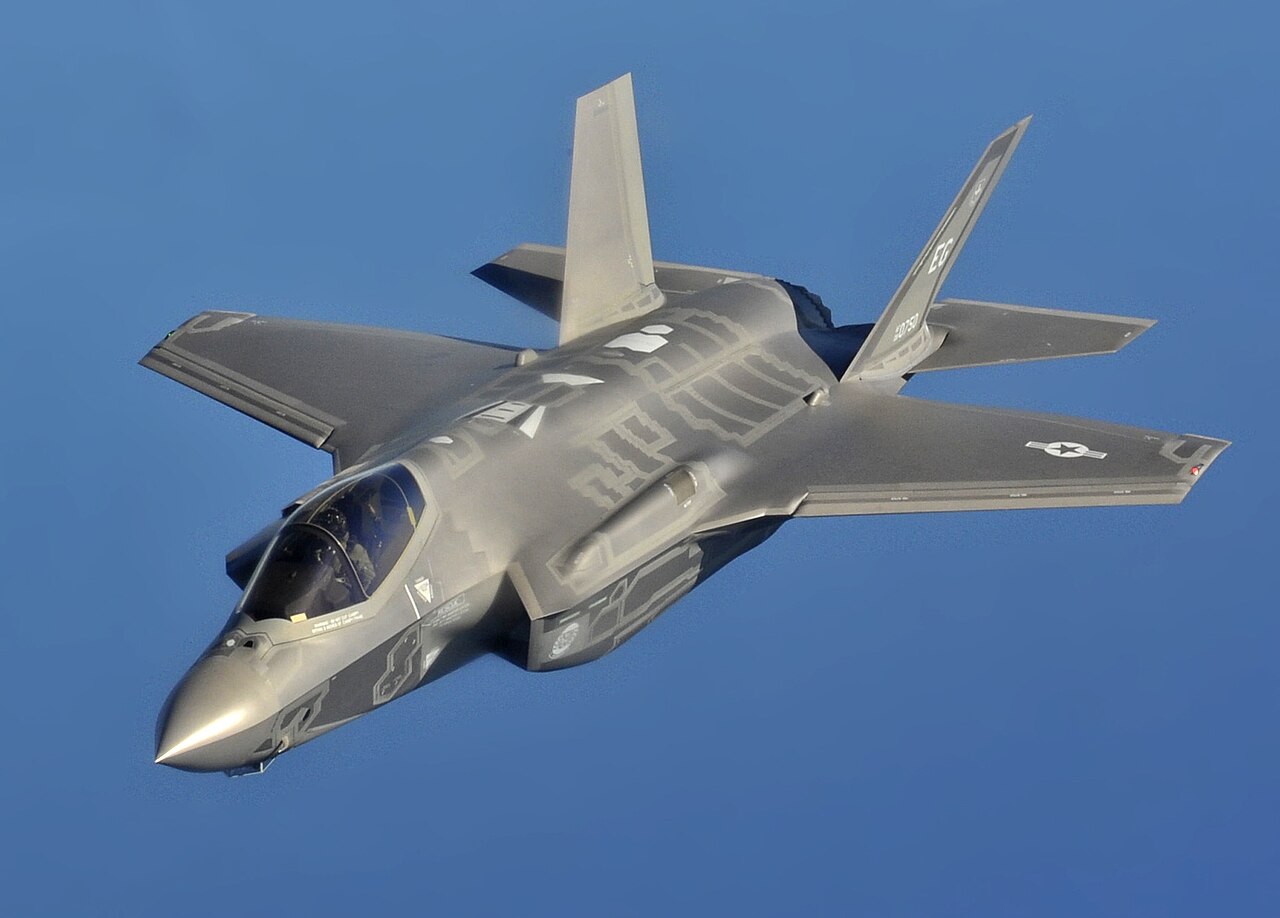
United States Arsenal
The U.S. arsenal guide provides background on the interceptor systems discussed.
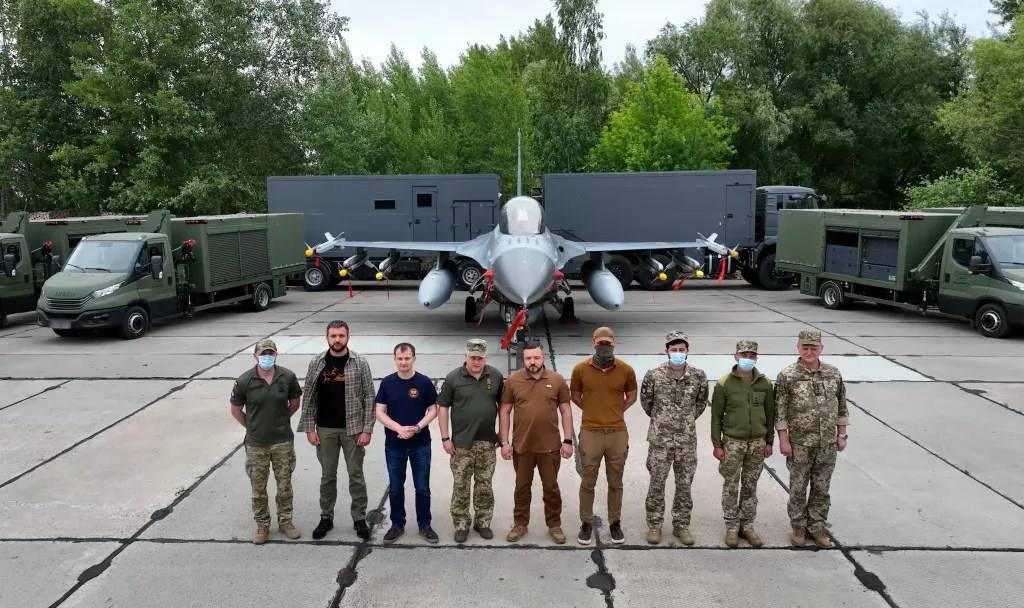
Ukraine Arsenal
Equipment context for Glenn's account of Ukraine's air-defense shortages.
Image credit
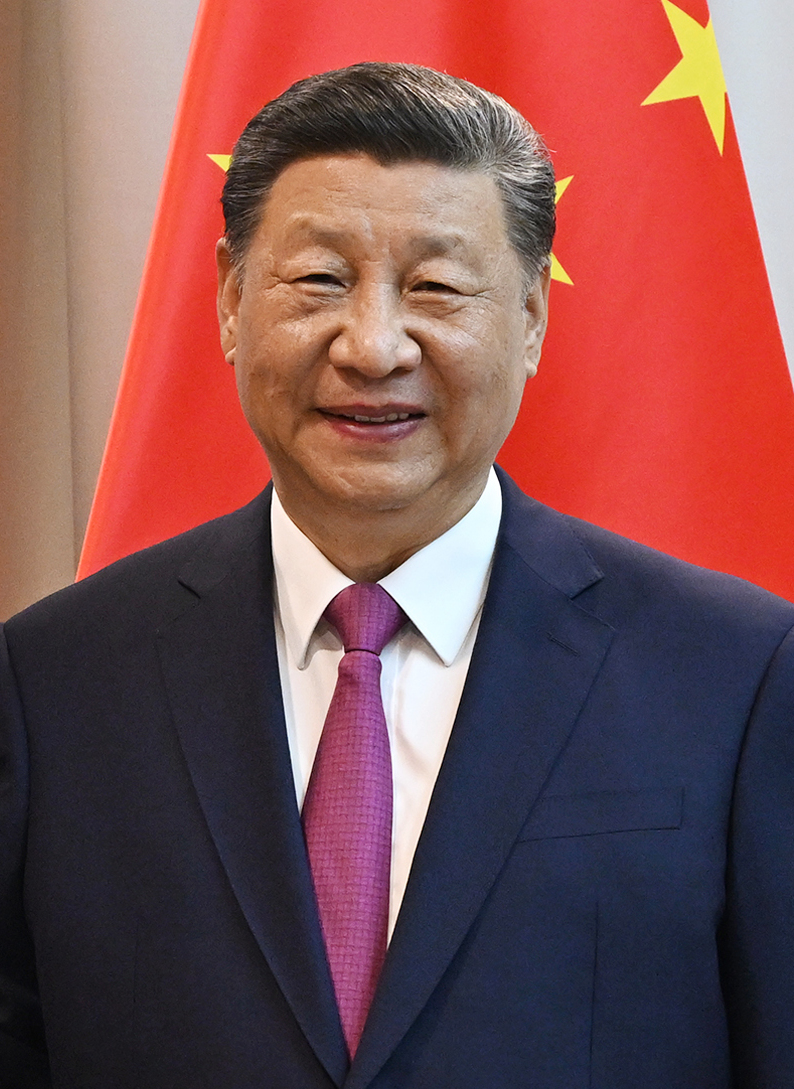
China Power Network
Leadership and institutional context for the Pacific contingency discussed by Cancian.
These links are an RH reading guide, not guest endorsements or independent confirmation of every statement in the interview. Episode views reflect its publication date; linked records have their own source dates.
The written account
A shortage measured in what can be defended
A missile stockpile becomes a practical problem when commanders must decide which incoming threats to intercept. Mark Cancian joins Ryan Fugit and Glenn Corn to connect that decision to American production capacity, Ukraine's defense, and the risk of another major conflict. The conversation revisits his CSIS work on munitions inventories and asks what has changed since the report's publication.
Cancian distinguishes among categories of weapons. Some inventories are healthier than others, and some missions have substitute weapons. He places Patriot and THAAD interceptors among the most consequential shortages because replacing their defensive role quickly is difficult. His inventory figures are estimates offered during the interview. The strategic concern he describes is that continued expenditure against Iran leaves fewer interceptors available for a potential conflict in the Western Pacific.
Why an industrial surge takes years
Ryan and Glenn ask why a country with America's industrial resources cannot simply double or triple output. Cancian says production is already expanding, but funding must move through an entire manufacturing chain. Increasing one assembly line does little if the suppliers of propulsion systems and other essential components cannot keep pace. Rocket motors and the small number of suppliers serving multiple missile programs are central to his explanation.
He also connects today's constraints to earlier defense planning. Expectations of shorter conflicts and pressure for efficient procurement reduced the incentive to maintain spare industrial capacity. The discussion of World War II mobilization emphasizes the preparation that preceded America's entry into the war. For Cancian, the lesson is that a sustained production surge requires decisions well before demand reaches its peak. Critical minerals and competing civilian uses add another constraint.
Who receives the next available interceptor?
Glenn brings the conversation back to Ukraine, where he describes increasingly difficult choices about protecting homes, power plants, and military facilities. Cancian explains that new production is already sought by the United States and multiple allies. Allocating those rounds becomes a diplomatic and political decision as well as a military one. A public promise to supply a weapon does not create additional inventory.
The same practical questions apply to proposals for Ukraine to manufacture Patriots. Cancian discusses intellectual property, licensing, the time needed to establish production, and the risk that two factories would compete for the same scarce parts. As a nearer-term option, he raises deals in which allies transfer existing interceptors and receive replacements later. He describes that as a limited opportunity requiring active diplomacy, with the potential to help Ukraine through an immediate period of pressure.
Matching the defense to the threat
The final part of the discussion separates ballistic missiles, cruise missiles, and drones. These threats differ in speed, cost, and the defenses needed to stop them. Cancian is moderately optimistic about newer counter-drone systems, but stresses the distance between having a promising prototype and fielding enough equipment to protect many sites. Glenn's observations illustrate how large drone attacks can still impose costs even when defenders intercept a high proportion of them.
Attacking launchers before they fire is another possibility, but Cancian cautions that mobile systems are difficult to locate and strike within a short window. He draws on his Marine artillery and targeting experience to explain the limits of a seemingly straightforward solution. The conversation leaves the audience with a connected set of choices: expand production, allocate scarce defenses carefully, help partners sooner where possible, and build lower-cost defenses in useful quantities.
Based on the Restricted Handling conversation published October 20, 2026. Views and forecasts reflect the discussion at that time. Original episode and show notes ↗
Full episodeRead the transcript
This transcript comes from the original episode production captions, with spacing adjusted for reading. Names, punctuation, and terminology may contain transcription errors. Refer to the recording for exact wording.
Hello, Freedom Loving people, and welcome to another episode of the Restricted Handling Podcast. Glenn and I are very fortunate today to be joined by Mark Kansian, who is a senior advisor at CSIS and in Ryan's opinion has authored, I think, one of the most cited works over the past year when it comes to U.S. munition shortfalls and concerns, specifically last rounds, status of key munitions at the Iran War ceasefire from April of this year. And then I think it's also worth noting, Mark, you spent time as a senior defense official at OMB, which I think many people have not. You're also a retired Marine Colonel. You've seen the tactical, you've seen how the sausage is made from the budget side, and now you're an analyst, really looking at munitions and what that means for the US strategy broadly. Thank you so much for meeting with us today.
Well thanks for having me on the program. I wanted to start obviously with this piece you wrote in April that was really talking about key munition shortfalls. We're six months on from that now, or in October of twenty twenty six. What are two to three missile systems that you think are short or concerning you most these days? Yeah. Well let me say two things off the bat. One is that we'll focus on the things that are short and critical. But it's important to keep in mind that there are seven categories of munitions as we look at it. And some of them are in okay shape, some of them are in good shape. for example, anti-ship missiles. We haven't used any or very many against Iran.
there's we're our inventories are still low. that's an important category. But the the one that has received a lot of attention because it's used in a war against Iran, also be used in the war against China and the Western Pacific, are the missile defense systems. And that's Patriot, which is probably the most talked about. It's also THAAD and the Navy's version of the SM3. And those are Critically short, particularly the Patriots and the Thads. And what makes them critical is not just that the numbers are down, but that there aren't good substitutes. You know, for ground attack munitions, there are substitutes, you know, they have some limitations. But for anti missile interceptors, you know, when you run out, you are out. And we're seeing the results of that in
Amen. Yeah, Mark, I'm we absolutely see this a lot, you know. I I travel frequently to Ukraine and this is a big problem for the Ukrainians right now. We all know. And you say there's no substitutes. Are you seeing any foreign actors or the US looking or are on the cusp of a substitute for any of these systems, or are we still stuck with those three systems pretty much for the near term? we're pretty much stuck with those systems for the near term. Now looking midterm, long term, there are other systems in development. For example, Lockheed Martin is developing a lower cost version of Patriot. Patriot costs about four million dollars a shot. You're looking at a interceptor that's maybe two million that could handle many, but not all of the missile threats. and you're seeing the same thing, I think, with Thad. The Europeans are coming up.
with some ideas, Freyda, for example, is a system they've talked about as a European missile defence system, but you know, that's a ways from being fielded. So for these systems, medium term, long term maybe there are some substitutes, but not in the near term. And what one follow-on question. the performance of these systems in Ukraine and in the Gulf in the Iran War, have they exceeded expectations in your in your view? Or are they are they have they not expectations? Because the Ukrainians have seemed to been able to use the older Patriot systems to do pretty impressive things against systems that the Russians claimed were invincible, right? The the the you know hypersonics.
The Kinjal w what's your assessment? Well that's interesting to hear. what we hear from the Gulf is that the systems have been successful. I I haven't heard any complaints that Patriot or THAAD are not working as designed. The problem is that they just aren't very many of them, they're very expensive. The problem that we had back in Desert Storm, where the Patriots were not very successful in intercepting scuds does not exist now because over the intervening you know almost forty years. No, we've upgraded Patriot specifically to handle these kinds of targets. So they have been quite successful at that. And it's interesting to know that some of the older versions of Patriot, you know, the Pac Twos maybe, can handle greater threats than we had that we had thought.
When we say that we're short, Mark, what does that mean? F if you take the interceptors, SM threes, the the Thad, like what what does that actually mean in reality? Well, looking at Patriot, we began the war with about twenty three hundred. We've used about fifteen hundred, so we have about eight hundred left. we're producing about three hundred a year coming to the United States, about three hundred a year go to our allies and partners. So, you know, every month we get you know thirty or so. And so you can see that it will Yeah, we can rebuild those inventories, but it's gonna take many years and that assumes that we don't use anymore.
Same same with Thad and and the other like that's what we're talking about is eight hundred when it's we say it's short, too short to do what? I mean, is this just creating operational trade offs for commanders in theater? Like what do you defend? Is it factoring into China now? Yeah, great question. Thad's about in about the same situation. I think we went into the war with about five hundred ish and we have about two hundred, two hundred and fifty now. SM threes, which is the Navy anti missile interceptor, we have more. We used about twenty percent, twenty five percent. and the reason is that the n the geometry hasn't been as accommodating to the Navy because they've been outside of the the Gulf. in terms of
risk we have enough to continue the conflict with Iran because even though we use fifteen hundred, we still have eight hundred left and two hundred, two hundred and fifty of the fads and the SM3s. What has the Pentagon nervous is a conflict in the Western Pacific with China. Because even going into the war we didn't have enough munitions and now of course we have even even fewer. So When you hear stories about Chairman, for example, raising concerns about renewing conflict against Iran, that's what he's pointing to. Not that we can't you not that we don't have enough to use against Iran, but what happens to deterrence, for example, against China? And you ask the question operationally, are commanders starting to
use them differently. And I think the answer to that is yes, the shot doctrine I think has changed. Of course that's highly classified. But what it means is that they are shooting fewer. And if the projections show that the Iraqi Iranian missile is going to hit something that's not important or is not going to hit anything, then they'll just let it go. But even there, you're making decisions between, you know, like housing, equipment, military equipment, different infrastructure, allies. I'm I can't even imagine how hard that is if you're a commander right now in that theater making that assessment.
Yeah, and we don't know, you know, what the criteria are at this point. You know, I think that we have enough that, you know, they will do an interception unless it's pretty clear that they're you know, the missile's gonna hit, you know, some empty area or very low population area. The Ukrainians, on the other hand, because you know, they're essentially out, they only have a handful left, I mean, they're having to make really tough decisions about, you know, do they defend you know, the electrical generators and allow missiles to hit apartment buildings.
Glenn was almost Yeah. hit by one. What did you almost get hit by, Glenn? About a month ago with General Petraeus? ~ that was a a jet powered drone Duran. Yeah. But Mark, how about this production? So you mentioned maybe 30 a month that we're right. Is it possible? You know, we're the country that we became the arsenal democracy after our defense industry was pretty weak in 1939, 1940. We turned it around pretty quickly. We can do anything as Americans, that should be the spirit. Is it possible to increase double the double the output, triple the output? And what would it take for the United States to do that? If I know it's kind of a general question, but something people ask all the time.
Yep, yep, and it's it's a very fair question. And the the short answer is we are increasing production. The before the war in Ukraine, we were producing about three hundred Patriots a year, we'd get half, our allies and partners would get half. now we're up to about six fifty. Again, we get half, allies and partners get half, and we're moving towards two thousand a year. And at that level, you know, the supply and demand may be imbalanced. So We have seen an increase in production that began in the Biden administration. What really energized everyone, Congress, the executive branch was the war in Ukraine, where it became clear that wars might go on for a long time and therefore industrial production was important. the Trump administration has has accelerated that, put a lot more money in against it. At this point, the problem isn't money, it's time. Yeah, that is, you know.
to order all the components and to expand production of every component. My understanding is that energetics are a particular bottleneck, you know, that is the the rocket motors, because most missiles use the same sort of propulsion, you know, whether it's a a Patriot or a THAT or a javelin or whatever, and that comes down to the same handful of companies and that's Where you get bottlenecks. In terms of expanding civilian production or expanding production, you know, taking over you know civilian manufacturing, you know, that's possible. you know, people argue that you the weapons are different and you know it might not be as easy. But you have to keep in mind that for the Second World War, you know, the the you know, sort of the common understanding is.
You know, December sixth we're sound asleep. December seventh, Japanese attack Pearl Harbor. December eighth, we start to mobilize, and you know, then we build this large military machine, crank out, you know, build factories, build you know, and crank out tanks and airplanes, you know, at a large rate. Totally incorrect. the United States started mobilizing for the Second World War in about nineteen thirty six when the I think 36 was the two ocean navy bill, but we started building you know building out the navy Mm. early, 36 and then 38. You start getting a lot of aircraft orders from Europe. You know, the Brits and the French start ordering aircraft, so the aircraft industry expands. And then after Pearl Harbor, then you get another expansion also. But we were mobilizing very rapidly. I teach
course called Defense Analysis, and I very often will ask the students, well, when do you think the United States mobilized its reserves for the Second World War? And you know, most people say, well, December 8th. and I say, no, the US mobilized its reserves in the summer of 1940, 18 months before Pearl Harbor. Mm. We instituted a peacetime draft in that summer because we could see where things were going. Now, we had a long way to go, but you know, we had started much earlier. That's something I wanted to ask you about, Mark, was around lessons learned. So in that case, you know, we were ahead of the curve 18 months in advance. I think there's often a stereotype of the government and military that it takes forever to catch up. And even when it does, it's a bureaucratic process to get something made and pushed through. have you already seen advances made or differences over the past year or two when it comes to these that we have maybe
Understood the problem ahead of us and have mobilized effectively. Well, as I said with Patriot, and I think it's true in many areas, you know, we started mobilizing, you know, industry in sort of two thousand twenty three ish and have accelerated that. And it's been pretty successful. Now there's a lot of interest in going even faster, and in some areas, like with small drones, you know, you ha you have to have a different production process. Yeah. But it's also important to keep in mind that where we were in two thousand twenty two. was not an accident, it was not an oversight. That was the plan. I mean this was intentional. After the Cold War, the United States imagined fighting limited regional conflicts against like Iraq or North Korea. And we wouldn't need large inventories of munitions for these short regional wars. Going along with that, we had what was called the Last Supper where
Actually, the Deputy Secretary of Defence had all the heads of defense industry at a dinner and said, We cannot support all of you. So you're going to have to consolidate. And they did. So they squeezed a lot of capacity out of the system. And then over the years since then, we structured the defence industry to produce equipment and munitions efficiently at peacetime levels. So we squeezed all the surge out of the system because we figured we weren't gonna need it. We were gonna fight these short regional conflicts. So that was wasteful. Well, we get to two thousand twenty two and we find out, well, okay, it's a different world now. Now, arguably we should have figured that out earlier. it was the war in Ukraine that brought it home, but at least up until
twenty twenties, you know, we had a strategy that matched the world that we saw Mm. that did not require a lot of munitions. We're in a different That that's very interesting because, if you look at the amount of equipment that the Russians initially deployed, right? The Russians didn't stop producing. They were they were actually rebuilding their armed forces throughout the 2000s. They were clearly getting ready for something. I mean, and and of course the PRC, I don't think that they they downsized. So it's it's interesting. Like what were analysts and what were policymakers thinking?
was going to happen with all these armed forces. And of course you have regional powers too that were growing. If you look at Turkey, Turkey was increasing it the size, you know, its own defense production. You can go around the world. But you know, it's always interesting to, of course, Monday morning quarterbacking, but what what were we thinking? That we we would continue, these big countries which were operating against our interests were just going to build these large militaries for no purpose. They they weren't weren't going to I mean, the Russians had a history of doing that. The PRC, debatable, but at some point you you might argue, yes, they're going to want to use their military to advance their mil their their strategic interests. So, but that goes to another question. The for the defense production, there's a there's a perception that we have a problem now with critical minerals, that we don't have access to the supply chains that we need to sustain like a a buildup.
of defence production or an inc a significant increase. Is that correct or is that an exaggeration in in your assessment? well let me start with that question first, and we can come back to your your earlier question. one of my colleagues is an expert in critical mil minerals, so she's really the one who could talk to this specifically. But what what I see is that on the one hand, the US has a huge problem with critical minerals because almost all of them come from overseas, many from China. on the other hand, defense industry doesn't need a large
Part of the critical minerals. In other words, if we said, defense industry, you have product you have priority, you know, we could build the weapons and munitions that we needed. The problem is we would be pulling those critical minerals out of the civilian economy. Well, where do you need critical minerals? Well, you need them in many places, but you know, for example, car batteries. you know, if you pulled all of those critical minerals out, you know, now your efforts on electrical. ve vehicles are going to be frustrated because you don't have all the materials you need for those batteries. So we could do it, but you impose a lot of sacrifice and damage, frankly, on the civilian side.
Glenn, can I throw an easy one at you? About car batteries? I've jumped I've jumped a few cars, yes. No. ~ I bet you have. look, Zelensky recently said in an interview with the Financial Times, the block on attacking refineries is out. We're done. We consider you so this is saying like this energy ceasefire, not gonna abide by it. but he would consider if he received more Patriot interceptors at a minimum, might might reframe it. So for you first, Glenn, since this overlaps with you and Mark's worlds. good decision by Zelensky on this. I assume Putin is somewhere smiling at the PR Win he continues to
You know, Ryan, I mean, I think this is the problem with Zelensky's argument, is that we just don't have you know, my understanding is we've been trying to find the supplies that they need. It's not that the United States has just turned their back completely on Ukraine. my understanding there's and you know, we could talk to Mark about this too, but we've been looking just like early on, it was there was a shortage of 155 millimeter rounds. At one point, I think it was 2023 when we were there, the Ukrainians were saying it's like one. To 10 advantage on the side of the Russians. And everybody started to scramble to find sources. And they were going all over the world to stockpiles in different countries and buying them and selling them and shipping them. And I watched this happening. it was you know interesting. And now it's the the Patriots. Now, of course, not every country has, you know, artillery, maybe like the 155s and some of the other munitions, but I what I'm seeing is people are trying to find solutions.
And I think when Zelensky keeps doing this, he's just angering some people because it's as if he's saying, if you give me what I want, which we don't exactly have. And I know it's frustrating for the Ukrainians. It's a terrible situation to be in. But if I'm the you know, the commander in chief of the US military, my number one priority is to make sure that the US military has what it needs to wage war. And we have a war in the Gulf. Where we have an enemy who has built built up a large capability to strike the US interests and our allies. and we have to worry about the Asia Pacific. You know, no one's gonna turn their back on that threat. And and of course, we have other issues. We said we said yesterday, there's a still, you know, potential in the Western Hemisphere. So I don't know that Zill like this is my impression that President Zelensky is.
Is not focusing on the fact that it's not that the United States is saying we're not going to give you Patriots or right? It's that we just don't have the amount that they want. And that is a I mean it's a bad situation to be in. And we're not producing them fast enough to give everybody what they need, especially Mm. the Ukrainians, because it's absolutely true that Ukrainians having to have to make really like terrible decisions every day. Do we defend a power plant? Or do we defend a school? Or do we defend, you know, like now a shopping mall, right? A military facility. It's a terrible situation to be in. And you know, it's it's it's painful to see. But I don't know that his proposal is gonna work because the I don't know that the resources are there. I don't know, Mark, maybe you know better, but it maybe there are countries that have them that we're I'm my understanding is we're trying to cut some deals with people.
The Europeans are doing what they can. but I don't know. I don't so think we can just okay, someone snap their finger and say, Okay, we're gonna deliver five hundred patriots to you. I think that that's exactly right. on some systems, like Patriots, the United States is short. We say we have eight hundred, we had twenty three hundred at the beginning of the war. you know, if we gave Ukraine five hundred, we'd be down to three hundred. And you know, that's a very small number. The decision about who gets production, new production, is now become very political. There are a lot of diplomatic
political discussions about who gets it. the Pentagon, as Glenn says, wants to to hold it for itself because they want to rebuild their inventories for a potential conflict with China. But many allies and partners want patriots and other munitions. The Gulf states, for example, have patriots and you know their their inventories are low. So you're gonna see this ~ Yeah. trade offer quite a while. Now there are other areas where we could give them, you know, like one five five ammunition, which we've expanded production on. We're not using any in the Gulf. No, there are many other areas where we could help them out. And then there's the question that's come up recently about you know sharing of intelligence and constraints on Starlink and you know that's not connected
Yeah. connected with what we need, you know, that's purely a a political Right. strategy. Right. I think it's two months ago now, President Trump had said that he was gonna allocate, I think Patriots to or maybe interceptors to the Ukrainians. I think with the remember the during the NATO summit he in Ankara, he said that he would he approved the Ukrainians producing That's it. the Pac Twos or the Pac-Trees. And of course, the Ukrainians jumped on that. And it was my understanding that the president can't just tell the companies that own that that IP that they have to share it. I think we went through this with Turkey itself. It was ironic that it happened in Ankara because at one point I'm a
2014 or 15, the Turks wanted Patriots. And I think the president at the time, it was during the Trump administration, so it was after 16, you know, said, Yes, we agree, but then the companies themselves had reservations and the system itself couldn't support that. And it it led to a lot of misunderstanding. And so, but Mark, you would know better. I don't know, like it, you know, do can the president of the United States say we're gonna give you Up I approve and you're gonna start producing or co-producing these systems. Yeah, I mean there are two questions. You know, can the president give or sell Patriots to Ukraine? And you know, President Trump, his mechanism is that the Europeans buy the the Patriots and then the Europeans give them to Ukraine because he doesn't want to give them to Ukraine, he wants to you know wants to sell them. but he he could do that if you know if he if he wanted to do that.
In terms of the production, you know, I think what Glenn said is absolutely right. Yeah, that is the president did say, yeah, yep, you can produce Patriots, but there are just so many you know conditions and and restrictions and problems that have to be overcome. You know, one of them is the intellectual property. you know is that gonna be safe with Ukraine, you know, which is you know Has been very corrupt in the past, and of course, you know, we've got a lot of Russians Yeah. there. So you you worry about the the loss of intellectual property and the compromise of it. the companies, of course, don't want to fund a competitor, and when we've leased you know production, we've done it so that the countr country can only use that production in its own military.
So when the Japanese produce F-15s, you know, that's fine, we make a deal, you know, they pay us whatever. but they can only use those F-15s in Japan. They can't go on the world market and compete with our companies. and then you also have you know you have timeline problems, you know, how long is it gonna take to get this this factory, this whole you know logistics chain going. And then the logistics change it itself. you know, has to be independent because if they have the same logistics chain as we do, then we're gonna be competing for parts and you
Hmm. know you're not gonna have any additional production, you're just gonna split it between Yeah. US and Ukraine, and that's not where we wanna be. So many, many problems with the idea of Ukraine producing paper. Thank you. Mark, what about drones? We hear about drones all the time, in a, you know, very cheap, cheaply made and deployed drones that are coming across, whether it's from Iran or from Russia, kind of in a mass with ballistic missiles, jet-powered drones, decoys. How do you see the American industrial base kind of mobilizing against that threat? Are you are you seeing that come up more and more? Are you optimistic about our ability to to face that? I assume China's taking notes.
As this happens. Yeah, I'm I'm moderately comfortable. You know, Ha ha ~ it's ~ you have to keep in mind that the we're talking about three different categories of air vehicles. There is the ballistic missile, very difficult to intercept because you know when they come down, you know, they're going five thousand miles an hour on you know when they impact. And that's you know very hard to intercept. You've got aircraft And cruise missiles, which are are very similar, and you know they're going maybe 600-800 miles an hour. and then you've had these drones. Now, the propeller-driven one, the early ones, the Shahed 136s and various you know, its cousins, you know, they they were slow. now the thing is the Russians would launch 300 and they figure, well, you know, if 10% get through, 90% get shut down. Well, 10% still 30, they get through.
so even if thirty get through, that that can be quite damaging. Now, these drones also don't carry as much punch, maybe a hundred pounds of explosive, whereas a ballistic missile might have a thousand pounds or two thousand pounds. in terms of intercepting ballistic missiles, of course we have Patriot, we have that, and we've talked about the problems there. we're pretty good at cruise missiles and aircraft. we have not just Patriot, but many other systems as well. our problem is with the drones. And you know, the propeller driven drones are easy to shoot down, but there are lots of them. The jet powered ones are more difficult to shut to shoot down, and you know more challenging, more of them are getting through. We started building capabilities, what are called counter UAS, counter unmanned aerial systems back in the really in
The late 2010, 2015 or so. we did it at a very measured pace for quite a while. It wasn't until the war in Ukraine that we got serious because then we could see how important these were in modern warfare. So coming up with counters was important. And we developed a a number of them. Some of them went into the into the Gulf. we have one's called APKWS, which is laser seeker. on a rocket, you know, it costs maybe a hundred thousand dollars. we have various drones that intercept other drones. There's one system called Roadrunner, there's another one called Coyote. I have to say I was disappointed to find out that they were not manufactured by ACME manufacturing.
Ha ha ha. but we didn't have enough of them. And the problem with those kinds of systems is very short range, so you have to have lots of them protecting each one of your points. Whereas a Patriot can cover a broad area, much of the region. So we didn't have enough. We had to use some additional systems like air-to-air, A9, sparrows, for example. Or sidewiders rather, and then the AM one twenty AMRAMs. AM nines cost about half a million. The AM one twenties cost about a million. We weren't shooting Patriots at these things. but we were shooting some of these very expensive munitions, and that's what we need to get away from.
And I I guess that's what I'm wondering. So you're optimistic that the that our kind of industrial base will catch up on that? Yeah. Moderately. That's why I said I'm moderately optimistic. I have a lot of these systems in small numbers, in prototypes, in development, and we need to push them into the field into quantity production, but you know, we're part way there. That's why I'm moderately optimistic. no, it's such a fascinating discussion. And it's I mean, I appreciate it because we we you know we've been struggling with this Patriot issue with the air defense issue with the Ukrainians. And, you know, it's very, very hard topic. And they were they were so good. I would just tell you, Mark, like it, you know, 2023, we were meeting with the commander of the Air Force, and he he was telling us how they were shooting down these kinjals regularly.
Yeah. They had a really good success rate, and he was very proud of the fact that the Ukrainian, you know. His his officers, his units were doing this on a system he said was 30 years old that they got from the Dutch. But you know, that I think that was the initial batch of patriots they got was from the Netherlands. So he was actually boasting to us. He said, if you want, you can send your units here to train with us. We'll teach you how to do this. But it so it's it's really hard to watch now because you know, a year ago or a year and a half ago, you'd be in any city in Ukraine and the air, the alerts would go off, and people were just very confident that.
Okay, it's not a big problem. The the the Shahids we will take them out with, you know, the lesser systems that we have, and you'd hear the anti aircraft fire and then the the ballistics would be taken out by the Patriots. But about five, six months ago when I was there, they got hit multiple times one night. And one of my friends said, You know, I live next to one of the batteries, and there was nothing. Usually you hear a lot of activity, but there was nothing, so it tells me that we're just out of ammunition. And again, I you know, I would say, because we do have a lot of Ukrainians that follow this program and supporters of Ukraine, like our hearts go out to the Ukrainians. It's a terrible situation to be in. But I it's not a map, there's no silver burden. And it's very interesting what you said that you know, even if you start production in Ukraine, we're we're gonna have to figure out where we get the components because the supply chains are gonna be compete, or supply chain is gonna be competing with each other. But the Ukrainians may say, I'll, you know.
Well, we can make the components ourselves. You know, we're very innovative and creative. Do you think that's possible? Can you Not likely. I I don't think it's likely they could do all of those parts, given all the other pressures on their industrial base. and you know, again, we're at we're at the the limit of my knowledge of the supply chain. I would say that there's potentially some deals that might be made to help a little. A lot of there's been a lot of attention on the Greece, which has you know some Patriots, I think they have Pac 2s. There are other countries that have patriots and you might be able to make a deal to say, okay, you guys send your patriots to Ukraine today and we will backfill those, you know, when we can, and you know, we'll we'll get you something by, you know, pick a date, you two thousand twenty eight, two thousand twenty nine, you know, and we will cover you you know, in the meantime if you know for some reason you have an air defense you know crisis. So that
That that might work. You know, now it would take a very proactive White House that was willing to you know make a deal like that. I don't think they've been very enthusiastic so far, but you know, I I think there are some possibilities. Now that's not gonna bring a lot of munitions, but you know, if even it brought a couple hundred, you know, that might get Ukraine through the winter and you know, then we'll see where we are in the spring. Yeah. Know you know, Ryan, I think but Zelensky, but his message if I were Zelensky, I'd be asking because he was asking before, and I think it's smart, for assistance, especially from Starlink, to go after the the the launchers in Russia and the places that are producing these ballistic threats. Because to me, the best defense is a good offense. And at this point, you know, they need to suppress those threats before they get anywhere near Ukrainian airspace. So
That's good point. Yeah. Yeah. I I think going after the factory would be easier because you know we have very good overhead. going after launchers I think sounds great, but you know, we haven't had a lot of success with that against Iran. The US and Yeah. the Israelis, you know, who have arguably the two best air forces in the world, can't track them all down. So it you know, it's just a very difficult problem. You know, these launchers, you know, they could be hiding, they come out, they launch, they go back and hide again. You know, you've got a very small window to to catch them and you have to be very quick to get catch them. So, you know, that that's you know theoretically very attractive. I think in practice just very hard to do.
Well you you raise a great point. What the Ukrainians told us in September is that the Russians are very, very good again at at denial and deception. And it is exactly what you said. To hit them, actually the mobile the mobile launchers is ex you have to be very, very good or very lucky. So I I think that is absolutely correct. It's not as easy as just saying, okay, we're gonna take out the launcher. So and the Exactly. ~ The Russians were I mean, during the Soviet period, we know they were very they invested a lot in denial and deception. I mean it's I I think it's probably worth doing just 'cause you might harass them, they might slow down the rate of launches, you might catch one every once in a while. So it's not that it's not worthwhile, but that's not the solution.
the Russians, I mean, the Russian air defense systems have seemed Mm. to be less than adequate. The Ukrainians with limited resources have demonstrated they can strike targets all over Russia, you know, deep into Russia, let's say, as far as targets in Siberia. Ha are you surprised to see that? I mean, the Russians, you know, w what you know, the S four hundred, the S three hundred. What is your acceptable? I don't know if you follow this as part of your work, but what do you think? Yeah, I have been surprised. I thought that the Russian air defenses would be much stronger. We've heard about them for years under the Soviets and then now under the Russian Confederation or Federation. I think what's happened is that they have pretty good defenses against aircraft and bombers and maybe missiles. You know, the S 300s, the S 400s are really designed for that. But for something, you know.
like a Shaheed, you know, something that is, you know, flying low and maybe slow and also navigating a path to avoid interception, you know, that's clearly turning out to be much more difficult. Got one last lighter question, honest light question for you, Mark, before we before we let you go. With the specialty that you have and the expertise you need to have on all these weapon systems, and maybe this came from whatever your specialty was in the Marine Corps. but do you get to fire some of these yourself? Like do you have to really stay up with it? You get to see these in action?
in the Marine Corps I was artillery. So I you know was able to of course fire many of those. And then later on I was a fire support officer in a targeteer, so I you know ran airstrikes and you know matched weapons to targets, which helps, you know, when we're talking about you know what particular weapons can do or what they can't do, things like finding a mobile target. So yeah, I've been able to watch some of them since then, you know, but you know, the the military experience was extremely helpful here. ~ I'm sure. and then you know, I've had a chance, you know, visit, you know. Well I I did two tours in Iraq, so I mean I watched it for real there and
Yeah. and then of went back a couple of times to Iraq also. I was hoping that you got to fire some Patriots there, maybe just even on a training range. Thank you. Thank you, Mark, for your time. This was so, so interesting. Thank you for accommodating us. And Glenn, as always, great to see you too. Great seeing you. Thank you, sir, for your time and and for your service. God bless. as a Marine would say, ooh. You got a couple of former army guys here, but we get it. We get it. Thanks for listening and being a part of the RH community. Would you like to receive the same daily intel brief that Glenn and I read? You can get it at restrictedhandling.com. We've curated what we consider to be the most relevant and reputable sources on all things international security, geopolitics, military and intel ops, and economics and sanctions focused exclusively on Russia, China, Iran, North Korea, and the Middle East to include accompanying podcasts for Russia, China,
economics and spy stories. Just head to restrictedhandling.com, enter your email and you'll get the daily briefs that Glenn and I both read and you can leave comments and questions that we can respond to. Thanks again for listening. Stay safe.
Back to the Episode Field Guide ↑Keep listening.
All episodes →
Glenn Corn and Alex Vatanka / Russia, Ukraine, and Iran
Is Putin Bargaining Iran for Ukraine? Glenn Corn and Alex Vatanka

John Herbst / Ukraine and U.S. strategy
John Herbst on Arming Ukraine and Raising the Cost of Russia’s War
Between episodes
The daily brief is free.
Russia, China, Iran, and North Korea. Straight to your inbox.