What Would Make the Trump-Xi Summit Matter?
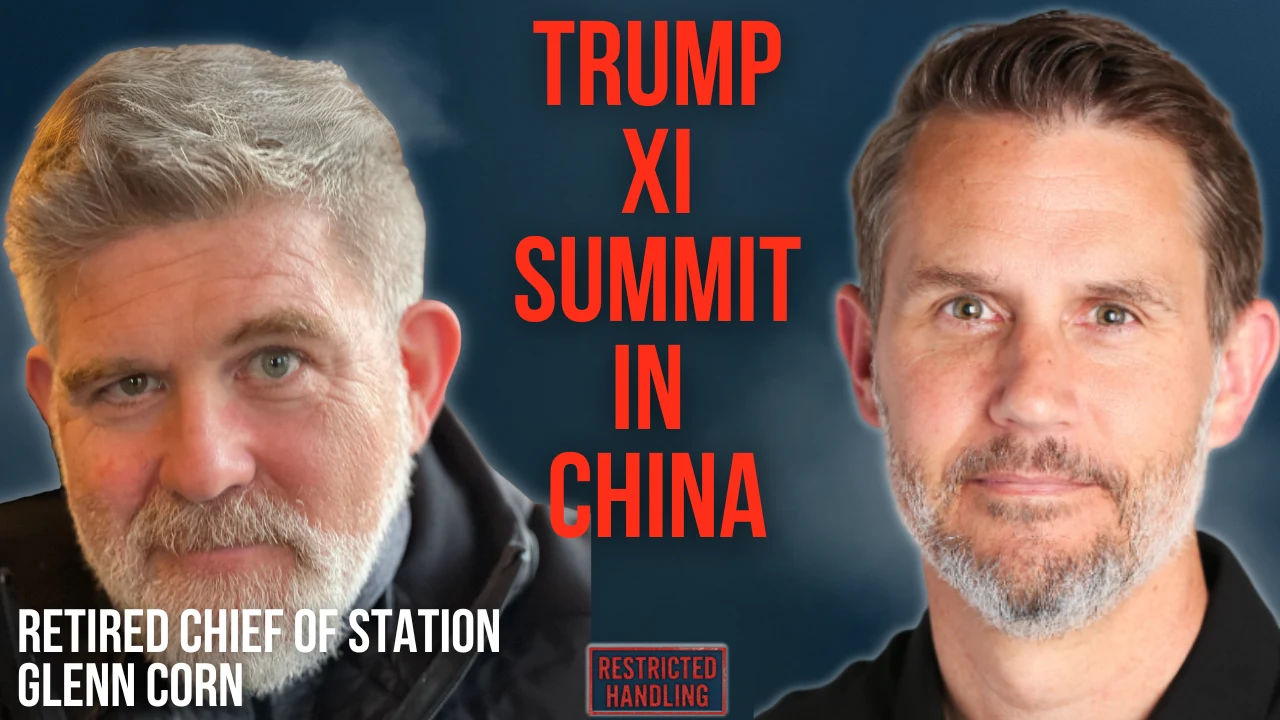
Ryan Fugit and Glenn Corn look past the ceremony in Beijing to Taiwan, promises about Iran, and the security decisions still facing Ukraine and the United States.
Glenn Corn / / 41 minutes
Start here
Three key takeaways
-
Taiwan's people belong in the discussion
Glenn treats Xi's warning over Taiwan as a serious signal, while stressing that miscalculation can come from more than one side. He also objects to discussing Taiwan's future entirely as a bargain between Washington and Beijing.
-
Promises need evidence after the meeting
The hosts examine reported Chinese commitments involving Iran, weapons, and shipping. Glenn wants to see what follows the public readout before declaring a diplomatic success, leaving room for results that differ from early expectations.
-
Ukraine needs a relationship that lasts
The conversation returns to Ukrainian innovation and the search for dependable American security support. Glenn argues that the substance and durability of that partnership matter alongside debates about its eventual formal label.
Episode Field Guide
Explore this conversation.
The people, institutions, and equipment connected to this episode. In the conversation marks a direct mention; Related background adds context.
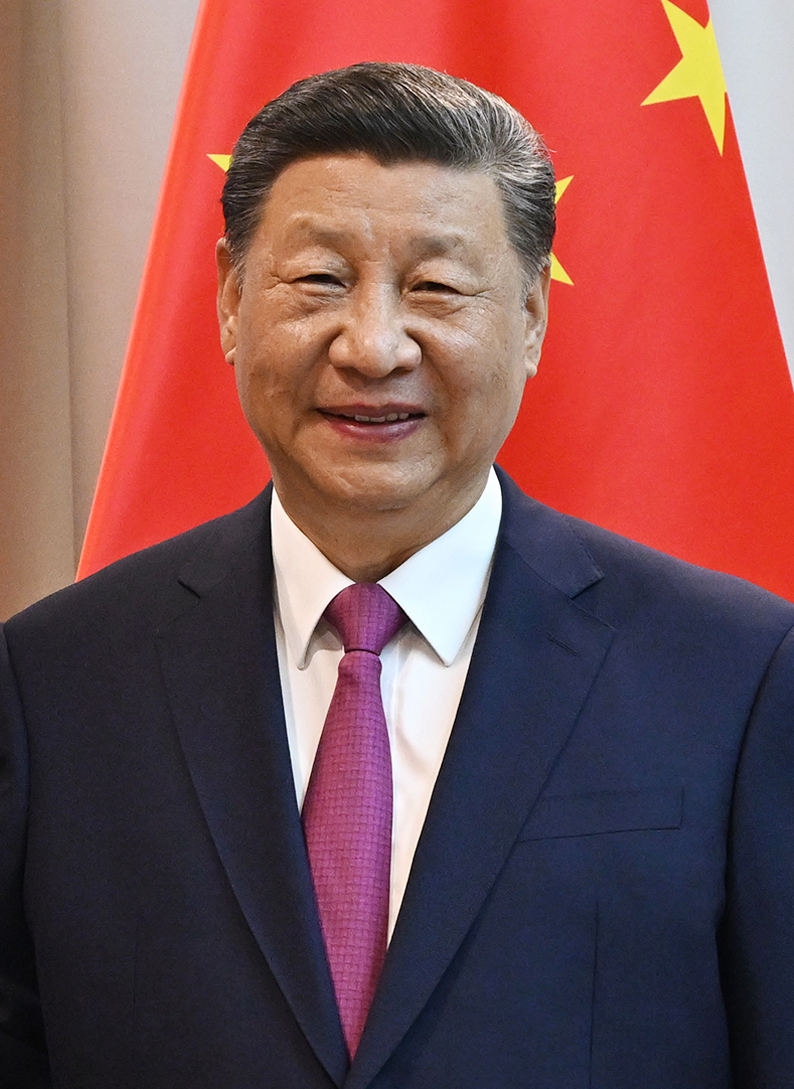
Xi Jinping
Explore the Chinese leadership dossier alongside the summit discussion.
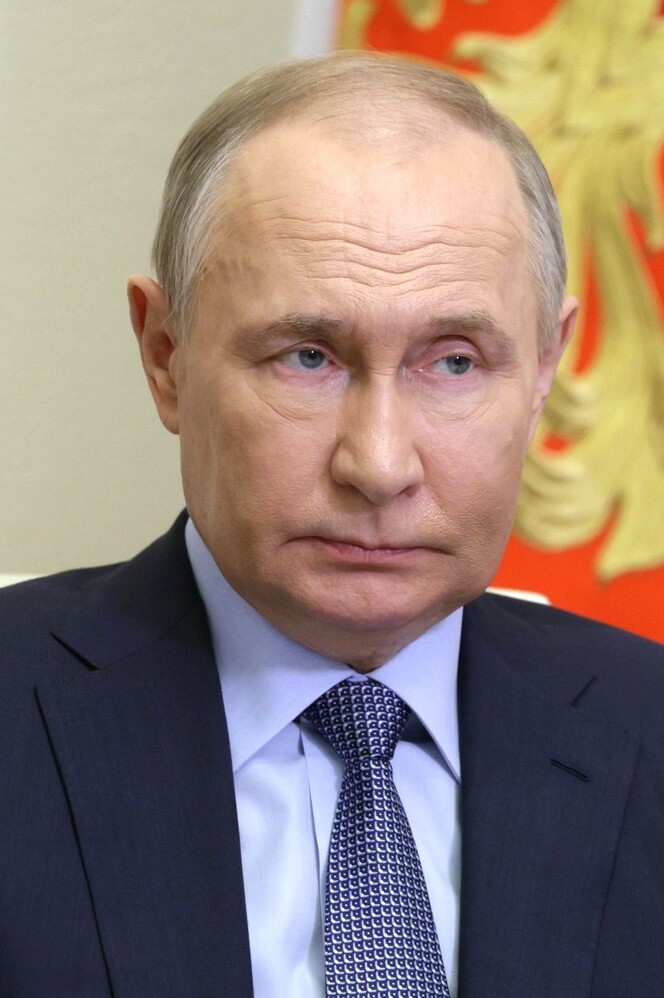
Vladimir Putin
The episode connects the summit to Russia’s relationship with China.
Image credit
These links are an RH reading guide, not guest endorsements or independent confirmation of every statement in the interview. Episode views reflect its publication date; linked records have their own source dates.
The written account
Beyond the handshake
The episode starts with a worn Breitling hat and a detour through watches, gifts, and a watch Ryan lost in North Africa. Then the conversation turns to the much more consequential exchanges taking place in Beijing. Ryan and Glenn have some fun with the attention paid to summit gestures, but their interest is in what the two governments might actually change afterward.
Glenn takes Xi Jinping's comments about Taiwan seriously. He sees the possibility of dangerous mistakes by both China and the United States, and he wants leaders to understand what their signals can set in motion. He adds a point that can disappear when the story becomes entirely about two presidents: Taiwan's people have interests and choices of their own. Their future cannot be adequately discussed as somebody else's negotiating asset.
What the readout can and cannot establish
The hosts work through reported Chinese assurances involving Iran, weapons transfers, nuclear issues, and the Strait of Hormuz. Glenn treats the American account of the meeting as something to test against subsequent behavior. A statement can indicate an opening without demonstrating that a disputed activity has ended or that an arrangement will hold.
They also consider how Moscow will respond to closer contact between Trump and Xi. Public displays of friendship can serve several audiences at once. Glenn keeps the assessment open: he understands the argument that Washington approached the summit from a difficult position, but he allows for useful outcomes despite low expectations. The standard he proposes is follow-through, with enough patience to distinguish an initial announcement from a change in policy.
Ukraine's progress and the support it needs
Ukraine enters the discussion through reports of battlefield progress and the continuing development of new military tools. Glenn credits Ukrainians with generating their own solutions. He is interested in how they combine technology, information, and practical experience, while recognizing that new systems still have to work within the limits of human decision-making and available resources.
The political question is whether that effort will be matched by a dependable relationship with the United States. Glenn describes Ukrainian interest in lasting security support, not simply a particular acronym or institutional promise. He also separates legitimate concerns about corruption and accountability from sweeping narratives used to discredit the country. Supporting Ukraine does not require avoiding scrutiny, and scrutiny does not require accepting Moscow's description of the entire Ukrainian state.
Diplomacy still has to deal with conflicting demands
On Iran, Glenn sees a substantial gap between the terms being put forward. Washington wants nuclear questions addressed, while Tehran seeks relief and a different sequence for negotiations. He is skeptical that maximalist public demands alone will create movement. His preference for a broader effort to protect shipping reflects the importance he places on allies sharing the burden, though that remains his recommendation rather than an agreed outcome.
The conversation also turns to Chinese influence and intelligence activity closer to home. Ryan and Glenn discuss the vulnerability of institutions and communities without abandoning the civil liberties those institutions are meant to protect. Their closing observations about public service and embassy work return to a theme running through the episode: individual meetings matter, but capable teams, clear responsibilities, and sustained attention determine what survives after the headlines move on.
Based on the Restricted Handling conversation published May 15, 2026. Views and forecasts reflect the discussion at that time. Original episode and show notes ↗
Full episodeRead the transcript
This transcript comes from the published episode captions, with spacing adjusted for reading. Names, punctuation, and terminology may contain transcription errors. Refer to the recording for exact wording.
hat. everyone, and welcome to another episode of the Restricted Handling Podcast, where Glenn and I try to break down what's going on geopolitically, international security-wise, and what might be relevant to mainly American audience. For those who are just tuning in, maybe for the first time, you're not acquainted with Glenn and I. think it's worth every now and then bringing this up. Glenn spent over three decades in the US government, mainly at CIA, multi-time chief of station, senior intelligence service officer. I spent much less time, eight years for myself and eight years in the army.
Glenn, of course, is a Russia expert, which is why we tend to talk a lot about Russia. And next week we'll be joined by a China expert to talk about the outcome of the Trump-Xi summit and everything going on in Beijing this week. But we're fortunate we have Glenn here. He's heading out on a trip soon. Place is unknown. Glenn, how's it going? Right. It's great to see you. have to correct you. As I say, I'm not a Russia expert. don't believe they exist. Uh, and by the way, you did in eight years where it took me like, uh, much longer time to do. So your, your ability to work with high impact is known and, I've never flown a helicopter and you have, which is pretty awesome.
Right. And I never was able to walk into a bar like with my uniform and Hey ladies. That was a lot of fun, the two times I got to do that. The two time. There you go. Hey, you have a cool hat on. I know the story, but I feel like we haven't talked about it. It's been through some things. Can you tell people, for people who can't see it, is that a Breitling logo? And it's real torn up. What's the story? It's a Breitling. My uncle, many, many years ago, I had an amazing uncle who's passed away. God bless him. God bless his soul. My uncle Les had a Breitling. He was a successful businessman in New York.
And I lived with him. My father, when he was in the army, was overseas. And I lived with my uncle for about a year and a half. We had a very good relationship. So I used to tell my father, actually, Uncle Les is probably my real father. Cause I get along with them better than I do with you. no. Um, so he had a Breitling and I used to give him a hard time all the time. I'm like, I want that Breitling, like give me that Breitling. And he wouldn't know. He's like, you need to earn the Breitling. So this is when I was in St. Petersburg in the, in the, uh, early mid nineties, working in the consulate, uncle less came to visit me and I took them to some of the markets and we found a Breitling knockoff.
This great. Like version of a brother, Russian kind of version. was like $20. So I, bought it for him. gave it to him as a gift, but I said, when you pass away, I want this watch. So you have to leave it to me. Right. And he said, I have something for you. I have a Breitling. I actually brought it with me in my suitcase. And this was the Breitling he gave me. I guess he got it. The hat. So he bought me a Breitling hat. And so I've had this hat ever since. I wore it many places around the world. kind of my lucky charm. every time put it on, remember my uncle and my great family, by the way, his, his wife, Janice, his daughter drew, uh, and all the other great relatives we had that, you know, you have to say like, you do what you do for your country and for the people you love.
And a lot of the stuff I did was for those people. So, and by the way, when he passed away, uh, he left me his Breitling Breitling. The real one, but we can't find the Russian one. When do you wear that real one? like once a year. I have to say my father when he passed away left me a Rolodex. A Rolex, sorry, Rolodex. Rolodex. A Rolodex. would have been good in your line of work, boss. he had two Rolexes, which he had been given by his patients. He was a surgeon and one he left to Gavin, my awesome brother who you know, he was in the studio with us, but he refused to come on screen.
just was like the peanut gallery, a great lawyer and a great American and just great human being. And he left one to me and I have those two watches, but I wear them like once a year. I'm afraid to take them out of the safe. and maybe for special occasions like, you my son's graduating from college tomorrow, I will wear one of those watches. Yes. Thank you. Thank you. But I'm not going to wear my hat. My wife would. No, I don't think you can really, that thing is beat up, but it's seen things. Right, she takes something else out of the safe and shoot me with it.
I'm just gonna Anyway, what are you doing? an Omega on an Op once, and I one day will find the person who stole that thing. Yeah, so that was one I bought myself, was gonna give to my kid. Very upset, my very good friend wears the same one on special occasions and makes sure I see it just to rub it in, and is always telling me to go get another one. But as many people know, those things are not cheap. So yeah, that's a story for another time. Let's dig into what's going on. globally real quick. Let me just give a quick rundown. generally where you lost it, we can start like a search like Nazi gold.
Like the people are... Okay, we're going. Okay, okay. we should, we'll go on the road with this thing when we get picked up and people realize our greatness here. If we have any listeners in North Africa, please contact us. Let us know if you find an Omega. That's right. Keep an eye out near the airports. All right. So Trump and Xi are in Beijing. Lots going on there. These two countries account for 40 % of the world's global GDP. Every issue seems to be on the table. Xi came out pretty boldly, just stating, obviously very welcoming to President Trump and the US delegation, but did come out and say Taiwan.
The Taiwan question is the most important issue in our bilat. warned according to Chinese press reporting that mishandling Taiwan could lead to clashes and even conflicts between China and the US. Seems to be China is really trying to leverage Taiwan in this engagement with the US bringing a host of commercial interests and CEOs. There's some funny polymarket or cal-she bets on this chief that I was going to share with you. So there's over there was over $2 million. It's still out there on whether or not Trump and she will kiss. The criteria is lips to body part on the other person.
So it doesn't have to be like lip to lip, obviously, cheek or hand. But it's it's low. It's like 30 % think that's going to happen. And then they did get a resolution on this one, how long the initial handshake was going to be. Is it going to be less than 10 seconds, 10 to 15 seconds, or more than 15 seconds? I saw, by the way, our media, somebody had done an analysis of the initial handshake where Trump, they said Trump did a power move by shaking his hand, then putting his other hand on Xi's hand, like touching his other hand. That was like the deep analysis.
I would say, you on the Taiwan issue, this is just my assessment, Xi is right, but you can interpret that both ways. If Beijing mishandles the issue of Taiwan, it could lead to serious conflict. And if the U S miss handles it. So I don't think that there's, you I know a lot of people in the media are playing this up. Like it was a stern threat. Uh, I think he stated a fact and I'm sure president Trump's like, yeah, okay. But that goes both ways. Like you guys also need to be very careful the way that you handle this bilateral issue. I mean, it's not even bilateral issue.
It's multilateral because the Taiwanese are involved. It's their future. So And my understanding is that, the welcome has been very warm. By the way, I can't help myself, but today in the Russian media, Peskov, the press spokesman for Putin came out and immediately said, Putin's going to Beijing. In other words, like, you know, we're, we're, we're friends too. We're, well, clearly it's like we're friends too. So I'm sure he's trying to reassure the Russian people that, you know, Beijing is not going to. Jenison Moscow in favor of a new relationship, of do a, not a Nixon Kissinger thing going on here.
uh Right. oh And President Trump did invite Xi for uh a US state visit in September later this year. And there's been no indication that we've conceded anything on Taiwan, even talking about military arms sales. There's still time left for discussion, but China's using whatever leverage they have. They've got a lot of it. And we just had Ambassador Satterfield on his advice. Don't go right now to China. They have all the leverage. But there are a lot of commercial interests at stake and President Trump, think, has already gotten some of what he wanted and they've got a whole nother day left of discussions.
know, one of the things that, you know, the, the white house is stressing and let's say white house aligned media is the fact that one, the Chinese agreed that the, that they do not agree that Iran should control the Strait of Hormuz, which is something I'm sure the white house wanted them to say, uh, two that I just read that they, that they're the white house is claiming that the Chinese agreed they're not going to supply weapons to Iran, which is big. it's true, if it's true. Let's go back to Ronald Reagan, trust but verify. oh But if it's true, it's important because I think between the June war of last year and Epic Fury, there was some reporting that the Chinese were resupplying the Iranians with air defense systems and other systems.
So that's important if it's correct. then I think that the Chinese agreed that the Iranians should not have a nuclear weapon. That's right. Yep. And you're right, that has come from the US side, but there's no reason to think that that's not true. That's they're reporting from the initial day's discussion. There was some reporting before the trip of indirect Chinese support to Iran that had still been going on in terms of routing weapons somehow to Iran, And so that was no way to know if the Chinese government was behind it. Some US officials were stating that.
The Chinese government had to at least have some knowledge of it, but was not backing it. But they do know that China had been offering support to other states in the Gulf for being targeted. They are trying to help get out of the Strait of Hormuz mess. So that is looking positive on that. Initially, right? and to have ambassador said, what a great interview. Thank you, Ambassador Satterfield Right. It's like a everyday is education with the ambassador, but you he said during that interview, there were things he was wrong about. anyway, he said, don't go, but maybe Trump, you know, Trump has managed to defy the odds before.
Now don't know on the, the Kelsey like kiss thing. I don't know if that's But if you have money on it, by the way, I can lobby the president. Please kiss the Chinese premier. Just one kiss on the cheek. Is blowing a kiss count if he's getting on the plane? no, it's specifically the fine print. There has to be contact, lip to flesh. Yeah. So if he sends like a heart emoji and like the, by the way, also read that the U S delegation didn't bring their phones because they're worried about being cyber. Yeah. I don't know if that's true or not, but people on the Delegations did not carry their personal phones.
That was one thing I read. And of course the delegation itself on the U S side is very interesting. Like who he had on that group, including Elon Musk. So he and the president seemed to be making up. and a lot of other heavy hitters Marco Rubio of course, Scott Pessent and then a lot of heavy hitters from private industry. So NVIDIA. The polymarkets also have less than 1 % chance that Milani is going to make an appearance. But if you want to take a wild shot, that's one. Hey, Glenn, I want to ask you, for those who didn't catch our interview with Ambassador Satterfield, amazing.
So 45-year diplomat, former ambassador to Turkey, Near East expert, really had seen everything for decades in the Middle East. He was able to just, like I could sit there and listen to him for hours. was fantastic. What was he like running a country team? he was very good. he was no nonsense. He had a vision. He was very good, like with, uh, engaging people, but also making sure, know, the country teams can often, maybe it's like any, uh, business meeting or like board meeting. don't know. They can just run on. And there are a lot of people that inject nonsense.
This is my opinion into those meetings because they want to, it's like the one time of the week, they get to be with the ambassador. He was very good at like managing that. So as he understood time is valuable. Uh, and he was just, you know, he, he's, he is a pro. mean, most of the people in that room understood that they were dealing with a heavyweight. Right. And I always say, I work with some great ambassadors, super lucky. And he was one of them, David Hale, John Huntsman, uh, deft Matt Brizza who we had on. Right? Like they were just phenomenal. But Ambassador Satterfield was uh just, mean, they all were, but Ambassador Satterfield was a hard worker.
I mean, he was super dedicated to the job and we worked, you know, Often it happens that we were the hardest working office in any embassy. That was my experience and he was with us all the time. He was there all the time and a great, great, great ambassador. Well, let's talk a little Russian Ukraine. already brought some of this up. had Trump, President Trump had mentioned this recent ceasefire over the past few days. I think it was from the 9th to the 11th. Zelensky issued a decree giving Putin permission to have a small parade on 9 May? You know, Volodymyr Zelensky for our listeners, there's something in the called the Kavei N in the Soviet Union and then Russia.
Kavei N is like the club of the, uh the witty and humors. I don't even know how translate it, but it was this thing where it's like improv comedy teams. And that's kind of how he got his start. You know, he was a comedian and he was very witty. And I asked somebody recently when we were in camp, who knows him very well. said, like, has I like other people that were with our delegation were asking all kinds of serious questions. And I said, look, I got only one question for you. Has he lost his sense of humor because he's pretty funny and it would be a tragedy if the Russians through this war like ruined his sense of humor and.
uh He just demonstrated that sense of humor. came out and signed a decree. And when he signed it, he had this smirk on his face, this defiance. but anyway, yeah. did the person who knew him say? That he's lost his... lost, but it's hard, right? It's, it's been a hard, hard haul. And by the way, you know, for many reasons, but, yeah, they, they signed a decree for three days. think the Russians violated it immediately. They continue to launch strikes. What I think is more important is president Trump came out, I think it was yesterday and said, like, I have not, like whoever's claiming that I'm saying that the Ukrainians have to give up territory.
I haven't said that. Right. And also on the Ukraine front, I read today that in Congress now the, I forget what the procedure is, but for additional aid to Ukraine, the members of Congress were able to kind of override objections of some members of Congress to doing that. So they're pushing forward with a new package for more assistance to Ukraine, which would be great, in my opinion, it's great sign. Just anyway. There was reporting from the Institute for the Study of War, ISW, great publication, battlefield assessments daily, that this was the first month, April of this year was the first month where Russia had a net loss of territory, of Ukrainian held territory, lost 116 square kilometers since 2024.
So pretty big deal to be able to not just... withstand the pushback and regain some ground, which is awesome. I assume that's because of your tutelage, Glenn, when you're over there. Briefing folks. don't tell the Ukrainians anything. What do I know? Like I just, I learned from them. I tell them anytime like an American comes and tells you how to do things, just, uh, this is their war and we have a lot to learn from them. So it does not, it's cause of the Ukrainians. Now, you know, the U S has provided assistance. We continue to provide assistance. God bless the Europeans are providing assistance.
Those the Ukrainians are very thankful for, but the, innovation, the ingenuity that's on them. And they've been able to do what they've done by being super innovative and committed. For people who are following the daily Intel brief, we put out the podcasts and the written product, which just as a quick note, we're going to have two channels that go out. Um, so for people who follow it closely, these long form interviews that you're hearing right now will be on the restricted handling podcast channel on YouTube, Spotify, Apple. And then, uh, there'll be a separate channel for the restricted handling daily Intel brief.
That'll just be the shorter podcasts. And then you can still get your sub stack. delivered to your email. We're just doing that because the algorithms can't figure out what to do with like a very short podcast and a very long one. anyway, but for those who are following it, speaking of ingenuity, one of the things that they just reported was Zelensky met with Alex Karp, the Palantir CEO. There are something like a hundred companies training 80 AI uh models on the drone fleets operating out of Ukraine right now. just to speak to some of the ingenuity, like not just human now, but you're getting AI on top of it.
Again, just for folks, I'm speaking just from a personal standpoint, not from any other position. But to your point, Glenn, like they just continue to innovate and bring people in to help. Yeah, we're going to get one of the Ukrainian commanders who's responsible for the integration of all the air defense systems and introduction of AI uh automation. Because as he says, like now in the battlefield environment that they're in, like you don't have time to track it. Like a human being can't track all the targets and threats and then do all the calculations needed to do to decide what is the best weapon system to counter.
Whether it's electronic warfare, whether it's, you know, a drone itself or anti-aircraft fire or a missile, uh, like whatever was. So, um, we're going to get him on the program and he's been kind of key in doing a lot of this stuff. And one of the reasons he's key is because he understood the importance of AI. So. Separate question when it comes to Ukraine, Glenn. I don't think we've talked about this, but when we talk about EU accession or NATO, those are both have been at least on the table. And that many people will say is what infuriated Putin enough to expand his operation into Ukraine.
But does this come up when you're in discussions like trying to push NATO? or EU membership a little more. No, mean, EU memberships, probably a little bit the wrong audience because we're not Europeans. So we don't get a vote. In terms of NATO, think most of the Ukrainians have accepted that, you know, in order to get a peace agreement, they're willing to put a pin in that idea. I think they want to be part of NATO. What I hear more than anything is a special relationship with the US. And I've heard the comparison of like the U S relationship with Israel and the kind of defense agreements we have.
ah no, they're, they're not like insisting. They're not pushing. I'm sure there are some Ukrainians that still do that, but I haven't experienced that. Right. And then we were going to talk about Ukraine. We should probably talk about some other things. The, you know, president Zelensky, uh, chief of staff, Andre, your mock was indicted. Uh, I think it was in court yesterday. in connection with alleged corruption schemes, which is very interesting because, you know, some people are arguing, oh, Ukraine is corrupt. think what's important here is that they're doing something about it, which happened in other places, Moscow.
then there's this woman now who's out with bad mouthings, Alinsky. I forget her name, but she was there was a podcast with Tucker Carlson where she talked about how bad Slinsky was and And, know, she made a fair point, which is people mistakenly as like associated Zelensky with Ukraine. Like they're one in the same. And I heard her saying like, you know, Ukraine is different than the individual leader, which is a fair point. But I think some of the stuff she's saying, it's very interesting that it aligns with Russian talking points, which is. So for the people out in the audience that are tracking her podcasts, her comments.
just do a little research on her and do a little digging um and study. And for all his flaws, Zelensky could very easily just ride off into the sunset, write a book and not be in this painful place. I think he has other options and I think it's pretty admirable he sticks it out. And to your point on Yermak, when Moscow prosecutes somebody for bribery or embezzlement or some type of allegation, I just assume it's to remove them, not because it's a... uh It's a decision that's just in trying to right a wrong. feel like it's trying to move somebody out. And in this case, know, Zelensky's swallowing a hard pill, actually serving this one up and letting justice play out for it.
Right. Yeah, I mean, the counter corruption, the anti-corruption work in the government is, it's fragile, but it's happening. Investigations are happening and people are pushing for transparency and there's more and more transparency in a country that comes from a region with the legacy of no transparency, right? Speaking of a rule of law, why don't we move to Iran real quick. Just hear the negotiating points that we hear from the US and Iran, just the latest. And I think the most recent news we heard from President Trump was rejecting what Iran had proposed.
U.S. wants Iran to pause or limit nuclear enrichment and commit to not obtaining a weapon, a nuclear weapon. And then they want Iran to accept nuclear talks now, not later, of course. And then Iran sees things very differently. They just want to stop to the fighting. lift the blockade, lift sanctions, release frozen assets, and then, again, Iranian sovereignty of the strait, and then defer nuclear talks until later. So still certainly an impasse. President Trump has signaled he is really running out of patience once again, which if you're any leader in the Iranian government, you should probably be worried.
I think the Iranian, some of the Iranian proposal also demanded all U S forces leave the Gulf and the middle East or something. That was one of the demands. think president Trump's response was this is garbage and he didn't even read all this, what they claim to read the whole response. ah Obviously the slides are very far apart and it seems like the Iranians are taking the Vladimir Putin approach of maximalist demands. When you're there in a week in my assessment, a week bargaining position, they think they can outlast Trump because, you know, the oil prices are up.
You know, there's some active pressure here domestically on the administration, uh, to end the war. But the war's kind of at a standstill right now. I mean, there hasn't been a lot of active shooting and, uh, I don't, I'm not sure the Iranians are in such the power position, especially if the Chinese live up to the statement that they, know, the, the, the Strait of Hormuz should not be controlled by Iran and it, and there should be a free flow of maritime traffic. And if they agree not to, that the Iranians shouldn't have a nuclear weapon. em And I've said all before, I think it's time now for our partners to put together a naval coalition to open up the strait.
I think now is the time and let's, you know, there's some hard feelings between the Europeans and the U.S. on this issue. I would say put it behind you now and let's get the strait open. It's in everyone's best interest. It's in the best interest of the world economy. And I don't know how you can argue that it's like the straight of hormones because they like Iran's only on one side. are other countries, right? Omanis have something to say? there was reporting earlier this week that the Emiratis were actually, they've been involved in taking strikes against the Iranians.
First, right, if that is true, that they very quietly launched a number of strikes in response to Iranian attacks on Emirati infrastructure. That's a big step. and Saudi jets. There was reporting Saudi jets took strikes on Iran-backed militias in Iraq. Yeah. So that that's like, need to the Iranians are I'm sure registering that, their, their neighbors are not sitting back and just letting the Iranians poke I mean, on the espionage front, the mayor of a small town, not a small town, but a town outside of Los Angeles that I was just in three weeks ago that hosts one of the biggest track competitions in the U.S.
in Arcadia was just identified as a Chinese agent. In this case, I think she admitted that she was working on behalf of the People's Republic of China and promoting propaganda. I was actually interviewed by a Russian news channel, American news channel, but they're doing it in Russia. So we just did an interview yesterday about this and fascinating. take? What's your take on this, Glenn? What'd say? Well, I this just shows you, I've said before, like we are in an information war and she was being used as an agent of influence at the municipal level to influence US policy and the thinking of Americans about the People's Republic of China.
we had in the past, the issue of the Chinese setting up police stations to monitor dissidents and You know, promote Chinese policies. The Chinese have been very, very aggressive in this field. And so I'm not surprised. Uh, there's been a lot of other talk about what they've been doing in the U S. Espionage wise side, cyber espionage, other espionage, know, traditional espionage and influence operations. This is a good example of an influence operation. It's. your point on the police stations, there is a US citizen who was just convicted of operating of these clandestine Chinese police stations in Manhattan, in your backyard, Glenn, monitoring and targeting uh PRC dissidents.
Yeah. And I think, you know, the Chinese are probably taking advantage of like, I don't know, loopholes or greatness in the law. And, you know, I mean, there's the United States is a open country of open society and they're, they're taking advantage of that. Um, and, know, we, think we have to be very, very careful. That's what I tried to say in this interview we don't want to give up our civil liberties. to deal with these kinds of threats. But we should also be a little bit more careful or thoughtful about, you know, who we're voting for and what are their backgrounds.
And one of the big issues, mean, as an American, like where is money coming from to support political campaigns? So she was accepting money from the People's Republic of China. did nobody, especially in today's world of due diligence and AI and all the tools, like can't someone figure out that candidate X just got, you know, $5 million from some country for their campaign through cutouts. You think. Campaign reform, campaign funding reform until I run for office. Okay, what office would you run for? Uh, know what I wanted? I, I want, remember Baywatch, I want Mitch's job.
I want to be that lead lifeboard. That's the, that's the civil servant job that I want after retiring from the government. Glenn, do you think you'd like to be an ambassador somewhere? Yeah, sure, why not? It would be a great honor to be in a mask. it be hard for you to not shadow in the station? No, it would not be at all. I would not, I honestly, I don't think it would be. I always tell people when I retired, I retired. Like I don't, I don't really want to be in that world. Uh, lot of respect for the people that are still doing it, but it's not my world anymore.
got other things I do. have business by the way, it's fascinating to see some of the stuff, you know, what's going on and just on the business side and, you know, teaching, which I love. If I was an ambassador, I would be there for the entire country team. Yeah. And, um, and I do think, by the way, this is, I'm glad you raised this and if this was not a setup to people following this podcast, but it's a really important issue. President Trump has nominated a few former CIA officers as us ambassadors, which is kind of a new thing. Traditionally, it was, didn't happen.
The ambassadorships were kind of the domain for foreign service officers from state department. And then maybe some former generals, uh, And then, you know, private sector businesses or politicians. But I think that the current US ambassador in Mexico was a former CIA officer. um I think it's Ron Johnson. By the way, he a great reputation with people that know him. think somewhere in maybe the Dominican Republic, I may be wrong, was a former. So, and some other places too. And I think that's smart because, you know, we had skills, like in terms of diplomacy and dealing with hard problems that like many of the great ambassadors I work with had.
And in the world today where, you other countries, by the way, they send former intelligence officers as ambassadors, I don't think it's such a bad thing. And I think in some countries it'd probably be smart because the host countries would probably prefer that. Because you want somebody who knows security issues, you want somebody who understands discretion. So that's just my opinion, but going back to your question, yes, I would be an honor to be an ambassador. I think it would be a lot of fun. Yeah, I'm sure you will get tapped for that. If you haven't already, don't know if at some point I'm sure you will.
asked me and I made that, I said, I want to be Mitch from Baywatch. And then they just said, you're not serious. And like, yeah. You and I probably can't speculate too much on this, but there was reporting over, I think, past two days of a reported CIA ground branch assassination in Mexico of a cartel leader in the vehicle. m Press is reporting with multiple sources that it was CIA-related, CIA did not, obviously did not confirm, know, they reached out for comment before publishing, heard nothing back But it is worth noting just because you mentioned Mexico, we often get caught up in Russia, Iran and China.
There is some more activity happening nearby and there's no surprise there that Trump has been very open about targeting. The cartels designated them as terrorist organizations in some cases. Well, let's, mean, my understanding is too, we lost some officers recently. m bad. I didn't know that Glenn. I read that article. I felt really bad that I had not heard that before. If that is true again, like I had some journalists reach out to me and I'm like, I don't know. I was overseas at the time. And I said, I'm not going to speculate. And I hope it's not true.
I hope we didn't lose somebody, but if it is true, it's a great tragedy. You know, it just shows like what we do and the risks we take the other story. Uh, I would be very careful about saying that that is correct. And we got to understand the consequences. Like if someone is making that claim, they better understand. There are consequences when people say stuff like that. And if it's a false story or an accurate story, that's shame, shameful. so, but yes, and by the way, Mexico, like, you know, Southern border, still a huge issue. The cartels and, we, you know, we probably need to get somebody else, somebody that knows Mexico.
I think about that. Cause it's. I think it would be great to cover that because I've heard, think as well, you probably know better than anyone, Chief, that I think a lot of Russian diplomats who've been expelled elsewhere have taken up shop in Mexico. Well, I can tell you this, historically the Russians have used Mexico and they had a very large presence there. They were doing a lot of work against the United States from Mexico. So, and it makes sense, southern border, right? Reach into the southern part of the United States, the Soviets, and I'm sure the Russians are doing the same as my assessment and other countries.
Yeah, I would like to talk Mexico. We should look for somebody cartels, southern border, western hemisphere, all that and Russia, of course. good music, great food. Yeah, we need to get rid of the violence there so people can go visit more. We need to have a restricted handling podcast. We just talk about international food like cuisine We'd be like the yeah, Anthony Bourdain's of our time I'm so uncultured when it comes to that. was it called? Yeah, yeah. So okay, so let me ask you question right now. I gotta ask you a question before we get off. First of what book are you reading right I'm reading um Midnight in Moscow by Ambassador, damn it, Sullivan, yeah.
I told you I ran into him recently at an event here in DC and I'm going to get him on the podcast. Great guy. uh of the people in that embassy, in that country team, in the consulates. Very interesting book. Right. Who came into the government. was a political appointee. wasn't a career, uh, F.S. yes, I'm glad you reminded me. I got to track them down because I want to ask them. Hi, I'm glad you asked. No, I like poetry. I'm not. I am reading. I'm reading this book about the Zelinsky. Okay. There's no man and this book, which I highly recommend to all of our viewers.
Prize. It's about uh oil and gas resources, the history of the geopolitical significance starting, by the way, I didn't know this, that the oil industry started in Pennsylvania. That's where the original boom was. And it talks about the big corporations, the oil companies, like influence on the whole section on Iran. like the struggle for control of the oil resources in the Gulf. So highly recommend it. Really, really very, very well written book. A lot of details, a lot of information. And then I'm going to read this next. So someone gave this to me the other day.
Dark Horse. Neil. Our mutual friend. Can I say that on air? Yeah. you were holding up Dark Horse, which is AJ Pasciuti's books of people who know us from Combat Story. AJ took over Combat Story. He's been doing a kick-ass job. This is the book I asked him to write after I interviewed him on Combat Story. It has the most epic sniper on sniper fight you will ever hear. Ever. 21 year old Marine. Nobody else could find this enemy sniper who had taken out over a hundred US service members and videoed a lot of them and put them up online and he haunted him down. It's amazing.
And that's out, that's out May 19th, but you can get a copy now. I think you can even get a signed copy from AJ. So people are interested. Go to darkhorse.com. May 19th. Yeah. You got the advanced copy there. Is he doing like a book signing tour? Yeah, he's he just went on the Sean Ryan show, which is a massive podcast in the kind of like combat story space. So that should be releasing soon. And then they're lining them up to go on morning shows. ah Marine Corps Museum, whole host of things. It's very cool. They've got the weapon from the enemy sniper he took out up in the Marine Corps Museum.
So he dedicated he was there to dedicate that a year ago. One of my best friends, one of the guys who I love to his core was another Marine Corps sniper. His name is Jarmy. If you're listening, Jarmy, love you, buddy. When I'm coming out again soon to go shooting with you. Yeah. No, no. I used to be really good, but like my eyesight is gone. So I'm like, I go shooting with my son sometimes or like, no, I'm not as not what I used to be. I like, I enjoy going to the range. Uh, but I'm not like a big gun, gun buff. And I didn't lie. say like, I never liked carrying a weapon in the field.
I just thought it was an interesting thing. Like I did sometimes, but I didn't really enjoy it. Agree. time. You have a great trip. never took a selfie with like a AK 47 and body armor on the field. never did that. I didn't either, but I do have one with an Apache right behind me. But I feel like that one's okay. Yeah, that one's okay. Yeah. You got shot at your combat for those birds. You earned it. I'm talking about like a lot of people that you remember, like who just like to go out there and do like war tourism and pose and all kinds things. Anyway. All right.
All right, man. See ya.
Back to the Episode Field Guide ↑Keep listening.
All episodes →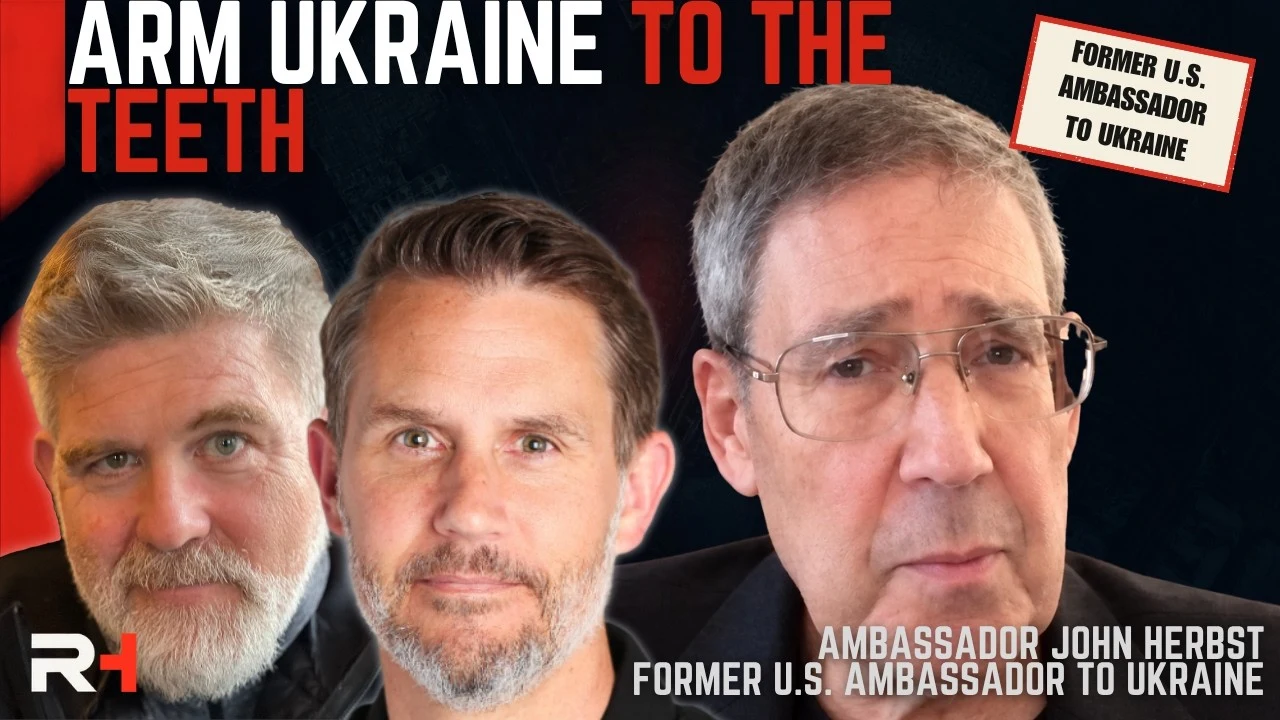
John Herbst / Ukraine and U.S. strategy
John Herbst on Arming Ukraine and Raising the Cost of Russia’s War
Steve Wills / The Arctic and maritime security
Steve Wills on Russia’s Arctic Submarines and the Cables Beneath the Sea
Between episodes
The daily brief is free.
Russia, China, Iran, and North Korea. Straight to your inbox.