The Hard Part Comes After the Ceasefire Announcement
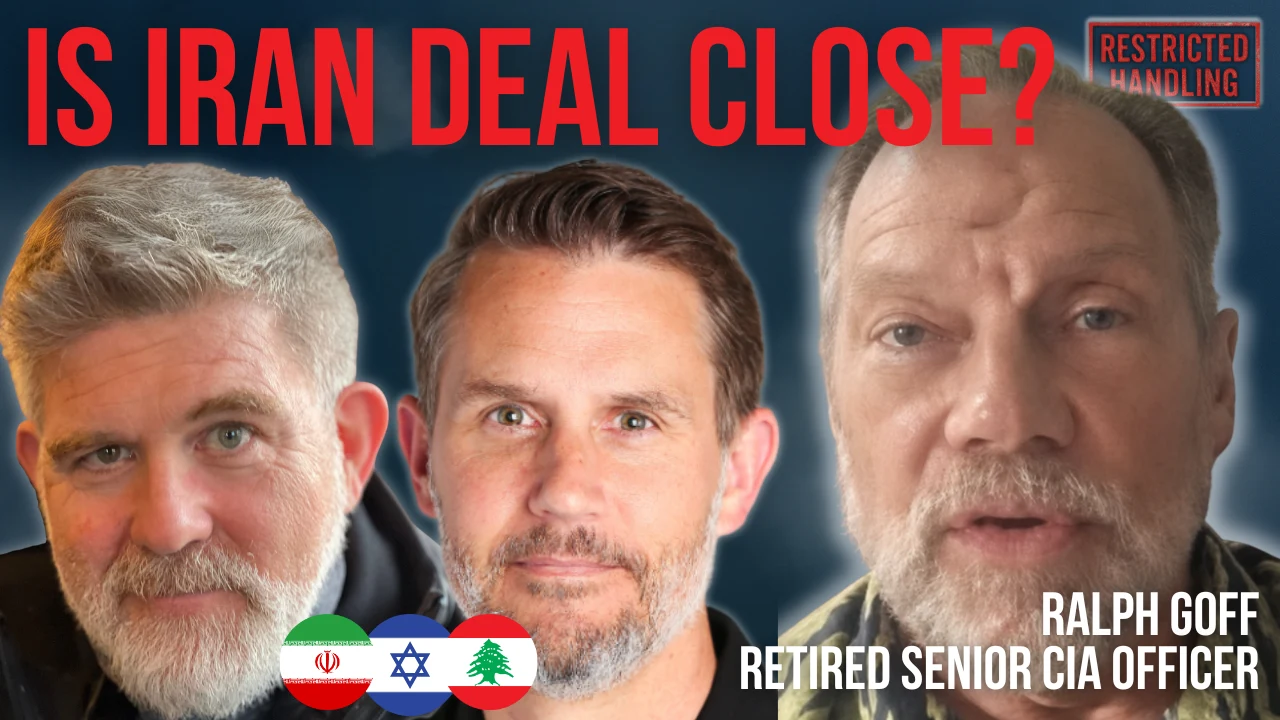
Ralph Goff joins Glenn Corn and Ryan Fugit on Iran, Israel, Lebanon, and why promises to disarm Hamas or Hezbollah are so difficult to turn into reality.
Ralph Goff / / 33 minutes
Start here
Three key takeaways
-
Disarmament has to mean something specific.
Who gives up which weapons, who verifies it, and when do opposing forces withdraw? Ralph and Glenn see those unanswered questions, alongside a near-total lack of trust, as central obstacles in Gaza and Lebanon.
-
A negotiator must be able to deliver the agreement.
Ralph is skeptical of a quick U.S.-Iran breakthrough because he sees competing factions able to undermine one another. Glenn also doubts Hezbollah will disarm without a major change in Iranian behavior and stronger support for Lebanese institutions.
-
The wars draw on shared resources and relationships.
The discussion connects the Gulf to Ukraine's interceptor shortage, Turkey-Israel friction, and changing energy routes. The hosts warn against treating any one negotiation as separate from those wider pressures.
Episode Field Guide
Explore this conversation.
The people, institutions, and equipment connected to this episode. In the conversation marks a direct mention; Related background adds context.
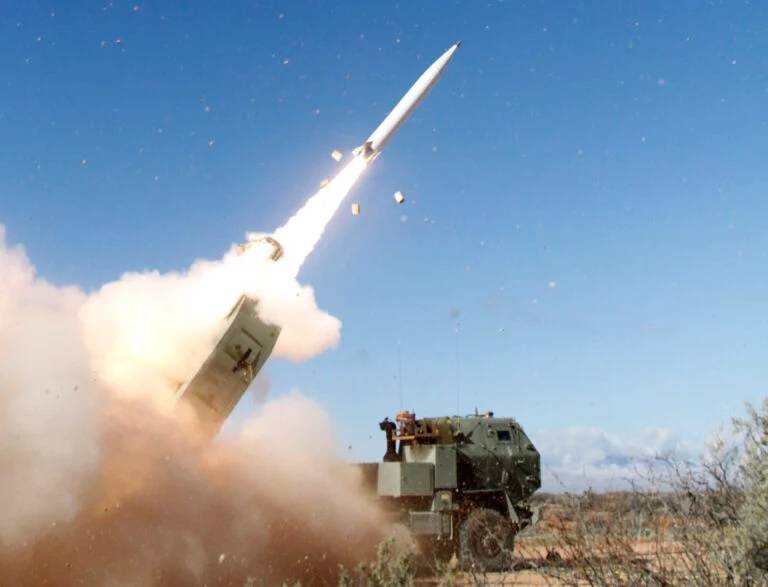
Precision Strike Missile (PrSM)
Related equipment background for the stockpile discussion. The transcript does not specify a PrSM increment.
Image credit
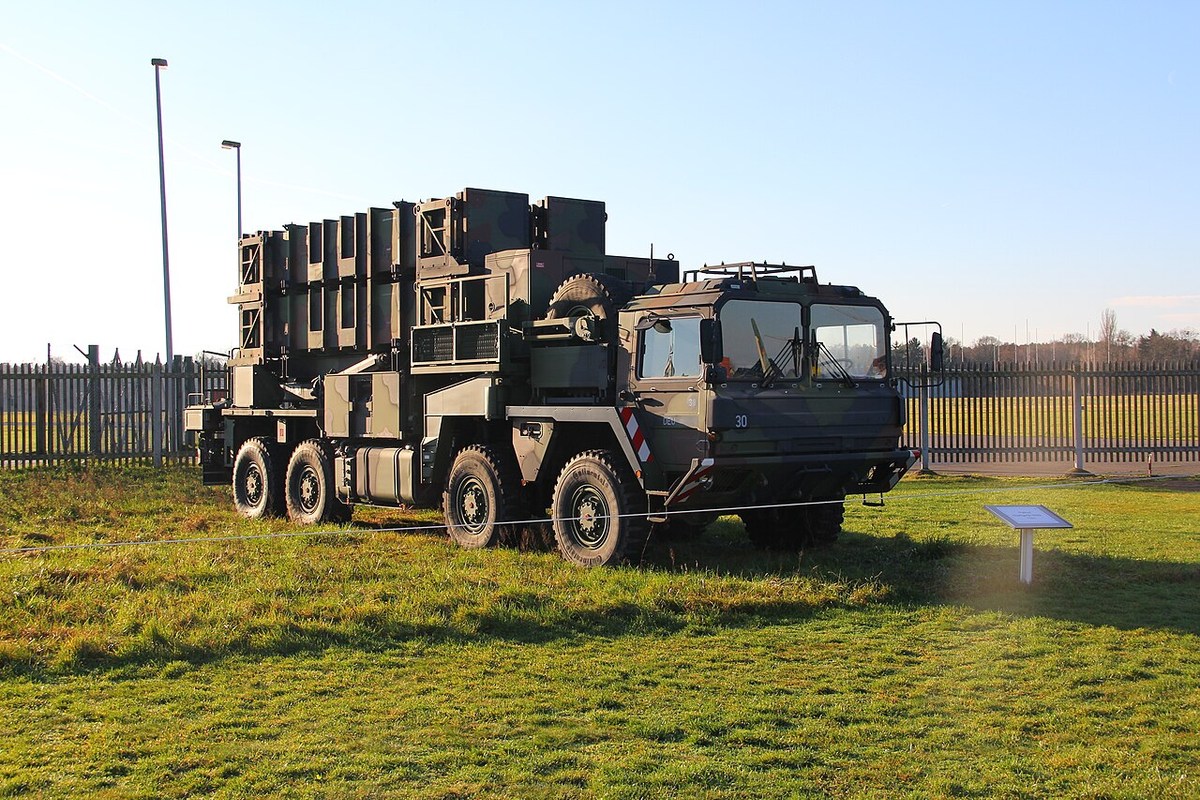
Patriot missile defense
The discussion connects interceptor demand across conflicts. The record distinguishes the system from its ammunition.
Image credit
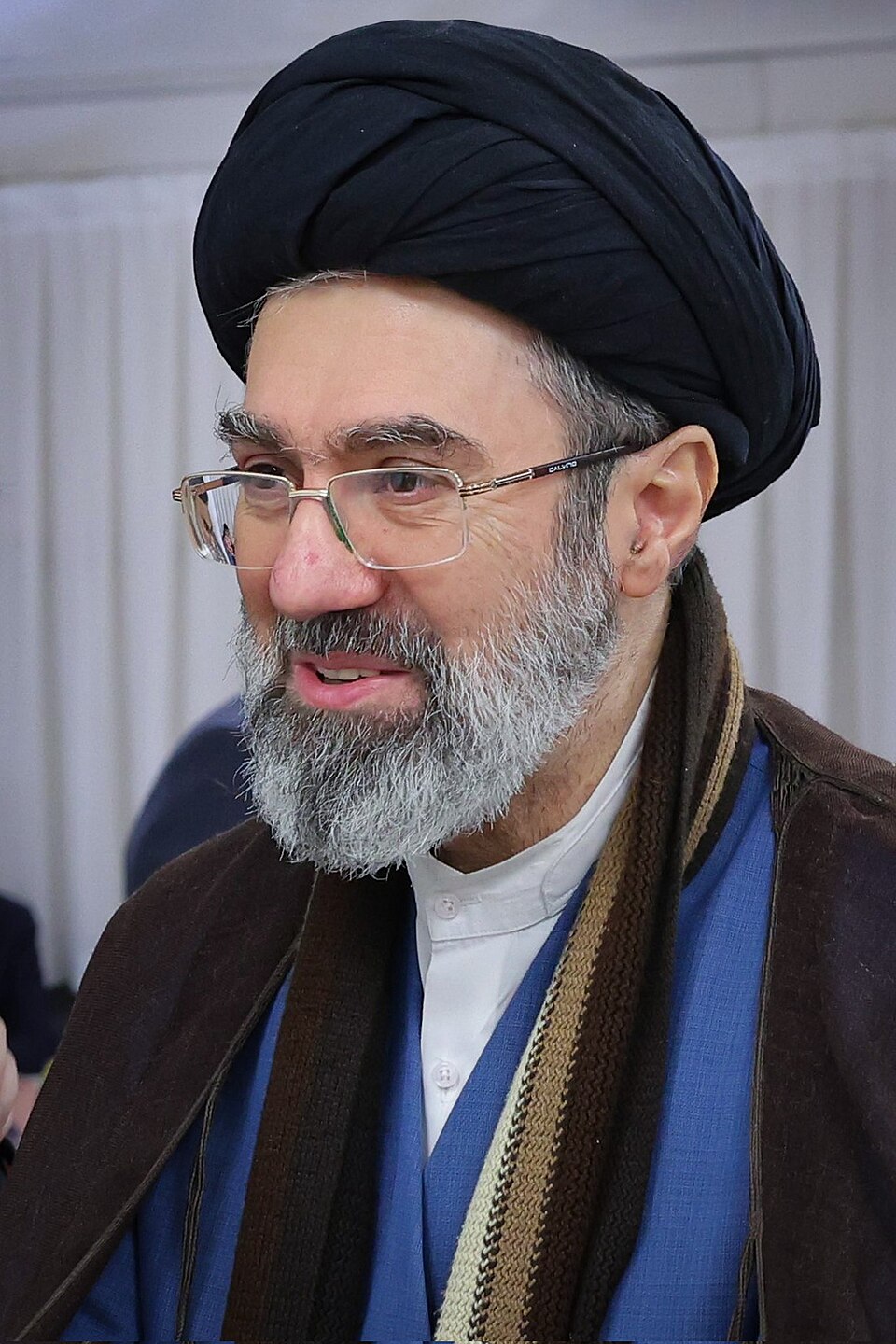
Iran Power Network
Background on Iran’s institutions for the discussion of who could deliver an agreement.
Image credit
These links are an RH reading guide, not guest endorsements or independent confirmation of every statement in the interview. Episode views reflect its publication date; linked records have their own source dates.
The written account
What the conversation covered
Several negotiations were moving at once: Israel and Lebanon, the United States and Iran, and efforts to change who governs Gaza. Ralph Goff joined Glenn and Ryan to ask which of those conversations could produce an agreement that survives contact with the people expected to carry it out.
Ralph put Iran at the top of Washington's immediate priorities because of the conflict's reach into shipping, allied economies, and other wars. That did not diminish Ukraine's importance. It meant the costs of instability around the Strait of Hormuz were being felt well beyond the Gulf.
What does giving up the guns actually mean?
Glenn pressed on the details behind proposals for Hamas and Hezbollah to disarm. If police retain weapons and private arms can be registered, which systems remain in circulation? Rifles, heavy weapons, rockets, and drones have very different consequences. An agreement needs to define the difference before declaring the problem solved.
Ralph focused on sequence. A group is being asked to surrender the weapons that protect its power, while Israel is being asked to withdraw before it trusts the outcome. A transitional administration also needs enough authority to govern. With no trust between the parties, each step becomes a demand that someone else move first.
On Lebanon, Glenn argued that the government and armed forces need sustained backing. He saw little prospect of Hezbollah surrendering its independent military power while Iran continues to support it. Both guests were skeptical of easy timelines, even while recognizing the opportunity to reduce the fighting.
Washington has influence, but several capitals have a vote
Ralph assessed that Trump had shown an ability to push Netanyahu into decisions the Israeli prime minister did not want. He also argued that domestic politics in both countries were changing the relationship. The discussion examined those pressures without assuming American influence amounts to control over every Israeli decision.
Turkey complicated the picture further. Glenn warned about friction between two important American partners, particularly over Syria, Hamas, and Turkey's possible return to the F-35 program. Ralph described a relationship in which past intelligence and defense cooperation has repeatedly run into competing regional interests.
The hosts also addressed the distinction between criticism of Israeli policy and antisemitism. They treated the latter as a serious concern and cautioned about conspiracy theories entering legitimate political debate.
Who can make a deal stick in Tehran?
Ralph described a struggle between hardliners and relatively less hardline figures inside Iran. His concern was that one faction could negotiate while another carried out an attack that unravelled the arrangement. He did not see a clear reason that pattern would end quickly.
The conversation included uncertainty about Mojtaba Khamenei's condition and role. The guests did not claim to know his status. Their larger question was how confidently Washington could identify the people with authority to make and enforce a bargain.
Glenn also cautioned against sweeping claims that America's weapons stocks were exhausted. He distinguished that rhetoric from the concrete shortage worrying both guests: the interceptors Ukraine needs to protect itself from Russian ballistic missiles. Expanding production or transferring technology takes time that people under attack do not have.
Changes that can outlast the fighting
Ralph pointed to energy routes as a potentially lasting consequence. If countries invest in pipelines and alternatives to vulnerable shipping lanes, they are unlikely to abandon them when the immediate crisis eases. The same logic applies to Syria looking for alternatives to Russian energy supplies.
The interview ended on a more personal note. The worn Ukrainian flag behind Ralph had flown over a Ukrainian garrison in the Donbas. He received it before retiring, in recognition of work with Ukrainian counterparts. After a conversation about negotiations and weapons stocks, it was a reminder of the relationships and people behind those debates.
Based on the Restricted Handling conversation published August 6, 2026. Views and forecasts reflect the discussion at that time. Original episode and show notes ↗
Full episodeRead the transcript
This transcript comes from the published episode captions, with spacing adjusted for reading. Names, punctuation, and terminology may contain transcription errors. Refer to the recording for exact wording.
Hello everyone and welcome to another episode of the Restricted Handling Podcast. Today Glenn and I are joined by someone who's been on the show before, but last time I think it was from Kiev, in fact, with the two of you together Yeah, yeah. outside. It was done very well. for people who want to see what it was like reporting from the inside, we had Glenn and Ralph Goff, retired senior CIA operations officer, six-time chief of station across Yeah. Europe, the Middle East, war zones. Central Asia, South Asia. since retiring, obviously has done some public speaking and commentary on Russia, Ukraine, and all topics national security.
And Ralph, you and Glenn travel often to Ukraine to do a lot of ~ meaningful work to advance what is happening there. That's not a meaningful word, but we but we travel a lot. Sometimes. Sometimes. Thanks. Thanks for joining us again, Ralph. Pleasure. Good to see you guys, Ryan. today we're gonna be talking Israel, Lebanon, Iran. I'm sure we'll touch on Russia and Ukraine. But ~ Ralph and Glenn both have significant background in this region. Right now we've got a couple negotiations taking place. We've got Rome. Talks with ~ Israel and Lebanon. We've got ~ US Iran discussions, obviously Oman part of that with the Strait of Hormuz.
~ we've got Houthis acting up in Yemen, and I'm sure there's some others that we missed, but there's a lot to there's a lot to talk about and you two are well positioned to talk about it. It's all interconnected, you know. Believe it. If if they're all interconnected, what do you think is the most important area to look at right now for the US? So, for the US, as much as I'd love to say Ukraine, Russia, ~ no, Iran. It's it's Iran now. you know, just the global impact on the economies of our partners, on us from ~ you know, the the uncertain state of the Hormuz Straits, right? the on again, off again nature of the war there, ~ the impact of Continued ~ combat activity in Gaza, continued combat activity in Lebanon, right? These are all ~ I think top tier priority interests for the United States to to work these things out. You know, Russia and Ukraine are very important, and as I said, it's all connected, it's linked. but in terms of direct impact and direct priority for the United States, it's I will say just looking at the numbers, stock market is up. the price of oil is not as low as I think many would expect, even though the ~ flow of of ships and tankers through the Strait of Hormuz is still about 40% lower than it normally is.
You've still got Bab al-Mandab just a little bit lower than normal, also, 20 to 30 percent lower than normal, and the Suez Canal. There were some concerns there. It's a bit lower, but not quite as bad. But with insurance risks up and some of this tension, you would expect, I think, that the stock market would not be doing as well. A little bit Yeah. surprising. ~ Glenn, what do you think the administration's position right now as they're looking at Iran and negotiations? Well, to be honest, if you're asking about the stock market, forget it, because you know, if I if I knew about the stock market, I'd be calling on and on a yacht.
You know what I'm saying? Like I don't under the stock market is surprising everybody. Everybody is confused. you know, I I don't know what the administration is thinking. ~ I don't know if there's a game plan here. I heard one theory from an Israeli podcaster that he said two things very interesting. He said he thinks Trump is just trying to confuse the Iranians beyond anything that they've ever dealt with before. But he said it's very hard for the Israeli armed forces because they keep being mobilized and then demobilized. Every time he says we're gonna, you know, strike hard again, then the Israelis have to go on f full mobilization.
And that's a strain on the you know, they're already strained. ~ this was something to think about. But I don't know, Ryan. I you know, I I'm I'm glad the stock market is up. but a lot of this is defeating logic. And that's the times we're in. I I think it gives President Trump a little more leverage, I would think. I think one of the things that's that's moved him in decisions before has been the economy, and it's it's as high as it's ever been right now, and oil prices are not as low as they've been, and he's still in the middle of negotiations. So I think it's maybe a a stronger position than it could have been.
Ralph, ~ would love to come to you. There was a an Israeli strike in southern Lebanon, I think in Mansouri, ~ yesterday. Possibly a dozen injured, maybe one killed. I'm curious if you think that the US has much leverage with Israel when it comes to these negotiations. I would assume that the US wouldn't want to have a strike like that. Do we have any say in Israel's negotiating posture these days? So, you know, yes and no. I mean, we'll always have influence. We'll always the United States will always be a part of the equation for Israel, right? But that whole equation has changed dramatically over the past year, right? Donald Trump has introduced an entire new aspect in that he's the first American president, first administration to actually hammer the Israelis into doing things they don't want to do.
This is I think Democratic administration, Republican administration. No one has really ever brought the Israelis to heel, so to speak, right? It just doesn't happen. But in this case, you know, you had Donald Trump was the first president who got BB to agree to a ceasefire in Gaza that he didn't really want to agree to. He got them to hold off on attacks in Iran when when he was poised to strike, right? So I I give Trump a lot of credit for being the first president who can wield that kind of influence. It's it's ~ I think been a long time coming. But you know, you also look at domestic politics here in the United States, right? You had the interesting win in Michigan in the Democratic primary there, Abdullah Sayad, who basically ran against AIPAC money, right? That was one of the planks of his of his campaign, right? ~ fighting against Israeli influence in American politics.
So there's a big shift. These are the Democrats, the people who used to, you know, unabashedly support AIPAC, unabashedly support Israel. So there's big change in the equation between the United States and Israel now. And you know, we're gonna see this play out more in the future. And I think the full impact on decision making is in Israel has yet to be seen. And Glenn, last week we talked about Aoun being welcomed to the White House. How have you seen anything come out from that that's been advantageous to Lebanon or to these talks or to the US maybe now that we're a week out and we've got these negotiations in Rome?
Well, I think there are more negotiations that are happening. as we've said a couple of times, that Lebanon has an incredible opportunity right now. We have a very good opportunity right now. But whether the Lebanese government is going to take advantage of it is remains to be seen. There's still a lot of frustration on the speed with which the Lebanese armed forces are disarming Hezbollah. You know, there's still big debate about whether Hezbollah will give up its arms. so I think, you know, most of the Lebanese I speak with are hopeful but kind of they they have bad experience and they're very concerned that we're gonna, you know, there was a period where we were talking about including Lebanon in the negotiations with Iran, allowing the Iranians to drag Lebanon and Hezbollah into those negotiations.
I think we've backed off of that, which is my opinion good because we should never allow the Iranians to use part of Lebanon as part of their negotiation position. But this goes to the the you know this now there's talk and I'd love to hear Ralph's thoughts on this. You know, that Hamas is going to disarm, but the plan is very interesting. One they're gonna be able the police are gonna keep weapons, and then you know, people are gonna be able to register private arms. And there's a I know that the many Israelis are very upset about this. They're not comfortable with it because they're saying, you know.
We have to define what the weapon systems are. Why do the police need to have rocket launchers or, you know, anti-tank weapons? And it's very interesting. And it's gonna we have the same issue with Hezbollah. When when Lebanese Hezbollah is ready to admit defeat and say they're ready to be disarmed, the question's gonna become how what is it how to find disarmament? Are they gonna keep automatic rifles, heavy machine guns, drones, which would become a huge factor? As we see in Ukraine, it's become a factor in Lebanon and southern Lebanon for the Israelis. And then, you know, Gaza, I don't know. I mean, Ralph, what do you think? What of this disarmament plan, you know, the border peace?
Yeah. ~ it's you look, it's fascinating. I mean, this is another ~ Donald Trump invention, this board of peace, right? And ~ you know, there's a there's a transitional Palestinian man ~ government waiting in Egypt to take over in Gaza, right? with with Palestinians who've been vetted as having no ties to Hamas. They're they're waiting for the word that the disarmament deal has been carried implemented. Right. ~ my personal feeling is there's you know, Hamas would be crazy to surrender all their weapons. That's like a suicide pact. but it shows you what a weakened state they're in, if they would even consider that, right? If they're pushing that.
But the whole problem with the the the the Gaza deal is it's gonna be one of timing, right? The various components, like how much of your weaponry do you give up and when do the Israelis pull back from this location, that location, right? I mean, look, this is a you know classic. cart before the horse, horse before the cart, you know, who's gonna act first. And, you know, the lack there's there's absolutely no trust whatsoever between the two parties. You know, I I frankly think it's a long shot, it'd be a miracle if they can pull this thing off and then get some sort of transitional government in there to start administering over the ruins as it were, right? So I I think this thing is really a long way from coming to fruition.
Ralph, if if you think of it as a miracle, which is sad to hear, but I I absolutely agree and believe you, what what is the next few months look like? We we are talking the lands of the Bible, so miracles are part of the script anyway, so who knows. Yeah. What does the next few months look like if they don't reach some type of agreement? Cause there was a you know, the IDF had an airstrike, I think August first was the most recent one in Hamas, killed two ~ alleged militants, extremists. It it continues. Like what would it look like for the next few months if they can't come to an agreement?
Yeah, just more of the same. More of, you know, Israeli military strikes, whether it's from drones or or air launched bombs or special operations operating on the ground into Gaza, right? There'll be a lot more of that with some, you know, ~ Hamas retaliations here and there. you know, there's we have an election cycle coming up in Israel. B B desperate to hold on to power. Frankly, any sort of ceasefire. does not play in his favor politically, right? He needs to when when the voters go to the polls, he needs to be able to tell them as they go into the booth, remember I'm the guy who destroyed Hamas.
I'm the one who brought peace and security to our borders in the South. So there's really not a lot of motivation there for a BB to have some sort of successful ceasefire plan in place when the elections come around. He can't spin a a win out of a ceasefire negotiation. He'll try. And BB, you know, he's he's If anyone can. he's kind of past his prime, but he's still he's still a formidable politician and formidable political manipulator, right? He's you know, the few times I met him when I was in Israel, he still fills a room with both his presence and his ego and his his ~ aura, if you will, you know, but he he's not the BB of old who could really ~ have his way hundred percent. And you see that where he's losing control of his coalition, he's losing control of his relationship with President Trump.
He's lost control of his relationship with ~ the the the majority of the Israeli people. So this is a a very vulnerable BB Netanyahu, right? Glenn, you you've worked Lebanon up close and personal. how likely is it Hezbollah disarms? I know that's a key component here, and there's obviously a lot of timing and withdrawals, but do you see a world where Hezbollah actually disarms? Not as long as the current Iranian regime stays in place and not until the United States strongly stands behind the Lebanese armed forces and and and government and helps them and makes it clear to to the Iranians and to Lebanese Hezbollah that they are going to disarm.
This is not I don't think we can give them a choice. And going back to you know what Ralph just said about the Israelis, they know very well that we kind of left Hezbollah as the problem in ninety one. When we allowed them to maintain their arms, that was the US. And we were we were trying to cut a deal with the Syrians at the time, the Syrian regime, and we made a huge mistake because we allowed the only militia to maintain its arms, Lebanese Hezbollah. And they grew that over the years and turned themselves into a state within a state, which has been terrorizing and blackmailing the rest of Lebanon for many, many years.
So the Israelis, I'm sure, are aware of that. The Lebanese, you know, the non Hezbollah supporters in Lebanon remember that. And Ryan, there's another aspect to all of this which we we probably we have to focus on, and that is Turkey. Right now it's very interesting, you know, the relationship between Netanyahu and Trump and the relationship between President Trump and President Erdogan. It's a you know it's a kind of a very strained love triangle because Yeah. BB Netanyahu and Erdogan are not friends. And there's been a lot of talk in the last year that Turkey and Israel are on a collision course in the Middle East in Syria.
You know, Turkey's support for Hamas in the past has been a point of contention. you know, some of the policies that that ~ okay, we we just announced we want to bring them back, the Turks, back into the F thirty five program. There's been a lot of activity to oppose that. I think driven by the Israelis, they're very concerned with that, and some of their partners in the region. So there's very interesting dynamic going on. And I think this is potentially a big problem for the US because Turkey is a major NATO ally. And we need the Turks in many ways. What we don't need is a confrontation between our two most important allies in the region, in my opinion. No offense to the Greeks or, you know, anybody else in the Eastern in the Med, but Turkey's got the the second largest standing armed forces in NATO.
And a very capable defense industry, which we also need right now for other reasons. So it's really interesting time and something that needs to be watched and managed carefully. ~ one one of our previous guests and a friend of ours, ~ Joey Gagnar, didn't he write an article about this, Rob? Did you see that? Yeah, in the cipher brief. Yeah, I saw that was quite good. Yeah. Yeah. Yeah, yeah. It was quite good. And and Glenn's absolutely right. And and you know, the the the up and down swings ~ of the Israel Turkey relationship, right, where where each side has tried to accommodate the other at some point, you know. At one point there was some very good intelligence cooperation, a little bit of defense cooperation there, that some common interests, but you know, those interests, common interests evaporate quickly ~ in places like Syria.
and Lebanon, Cyprus even, right? So there's there's a there's more more f grounds for friction there than there is really for any kind of improvement in ties right now. I think for the for the Israelis, the the problem or listen, the the issue is that in Turkey, the Palestinians, they have a lot of sympathy and support among the Turkish voters. So for Erdogan, it's a big domestic political issue. Same as we're seeing here, and the Israelis need to be very cognizant of the fact that, as Ralph mentioned, we know, we now have candidates openly on running on anti Israel platforms and and they're being elected.
And this is gonna change the dynamic. It's changing it already. It started after seven October. To me, it's tragic, in my opinion. nothing I had ever hoped to see in my lifetime. But this is a factor that the Israelis need to take into consideration and in my opinion, think about when they make decisions now. Because for all the talk about surviving without the US, I don't think that that's realistic. And I hope we're never at that point where like the US government will cut its support for the state of Israel. My personal view. But could happen. I think we'll see I think we'll see reductions in support because of the political situation here, but you know, it it it's it's a complex brew.
And, you know, ~ returning a little bit to Turkey there, I mean Istanbul was one of the cities where Hamas had you know, a pretty stable presence, you know, where they there there was constant problems between Turkey and Israel when Israeli intelligence would you know, try to operate against the Palestinians in Turkey. You know, whether it's like breaking into Hamas headquarters to steal their files or do things or prevent shipments of money or things. There's a lot of friction there over the years between them over the Palestinians. And so that you know the the the Turks are kind of seen as maybe not patrons of of Hamas, but definitely on the Hamas side.
And and you know, now you take that over across the Atlantic into the United States where I think AIPAC has drastically and recklessly overplayed its hand in with their involvement in American politics, where before AIPAC was seen as kind of a kind of a bipartisan lobbying group, right? Now they're beginning to be seen more and more as favoring one party over the other, and that's I think gonna cause them a lot of damage. Just as you've mentioned that, Ralph, for those who don't know, that this is the American Israel Public Action Committee, the lobbying group.
Political action committee, yeah. Mm-hmm. There's a a big split between the the the right wing of the Republican Party, too, where you have, for instance, Tucker Carlson, right? He's really Yeah. not hard against AIPAC and against Israeli pro Israel lobbying in the United States, along with Candace Owens, another far right commentator and influencer, right? And then you have for instance, ~ Laura Loomer, who's suddenly seen the light and become you know, pro Ukraine, anti Russian, right? This is all reflective of splits within the right wing in the Republican Party, right?
And and these splits are are emanating as much from ~ U Ukraine Russia as they are from ~ Israel ~ Gaza. How much would either of you put the responsibility for that diminished support and the or the changing support in the US at the feet of maybe Netanyahu and Israel versus US administration decisions over time? I would put ~ it on on AIPAC and on the Is Israeli government. Yeah, I would say it's probably both sides are are guilty of making mistakes. I and I think maybe this was unavoidable for a number of reasons and what's going on in US society in general. but we saw after seven October a reemergence in this country of anti Semitism like I've never seen before.
It's a serious issue and of high concern to a lot of people. And it's very difficult to weed out what is criticism of Israel. And what is anti-Semitism? And it's not always the same thing, right? I mean, it's very fair to say like we we criticize Israeli policy or decision making on a certain issue or Netanyahu's policies and behavior. ~ but sometimes it bleeds into each other, and you know, some of the old tropes are used. You know, when you start seeing people resurfacing conspiracy theories, you know, and and this all happened with at the same time. We had Jeffrey Epstein going on, and people like.
Pulling up old conspiracy theories and you know Zionism. By the way, I encourage everyone that listens to the program, go back and look up something called Operation SIG, which was a KGB operation. It was a disinformation operation designed to undermine the state of Israel and the United States that was conducted by the KGB ~ during the Cold War to ~ to make Zionism like this evil word. And there's, you know, there's There's something to this when someone like Laura Loomer is turning on on the Kremlin, God bless. because there's a connection between anti Semitism and what the Kremlin is doing and has been doing for many years.
Yeah. And it's very ironic when you consider the r I won't say pro Russia policy of Bibi Netanyahu's government, but definitely not a very hostile policy to Russia, right? I I mean Bibi's gotta worry about the hundreds of thousands of Russian emigres that are in his country because they vote, you know. So their policy towards Russia, a country that has promoted this anti Semitism and anti Zionism, right? They're they they ~ BB's government has taken a pretty light approach to that. Yes. Deep stuff. If If we turn to Iran briefly, so there's some reporting recently that the US has used up almost or virtually all, I think is the terminology used from a few sources inside.
ATACMS and these new precision strike missiles, they've depleted other ~ Patriot interceptors. And just from a from a a stockpile position, it's not a great, it's not a great look, especially with Ukraine, as you mentioned, Ralph, with these things all being connected. if we if we look at Iran right now, what do you think the next ~ month or so looks like? Do you think we'll get a deal where tensions ease? We could start talking about a nuclear deal and the straits open? Sounds like we're close. No? No, I I'm not buying it for a second. I I think the problem is is inside Iran, right? You still have two factions.
And I don't think at this point, I don't think the US government has a clear enough intelligence picture on what's going on in there, right? I mean, Mujtaba, where's you know, where's Waldo? Where's Mujtaba, right? can't even find that guy. although, you know, there was press reporting this week that he is now the subject of a an intense manhunt by our intelligence ~ agencies and our partners to find him and eliminate him. And you but you have these two parties kind of like the hardliners and what I would call the less hardliners, who ironically are are labeled as pacifists by their own people.
I mean at the at the Hamene funeral you had like the foreign minister, the Iranian foreign minister Akshi, a couple others there, deputy prime minister or someone there who were labeled as as peacemakers and the crowds attacked them. Their security guards had to get them and exfiltrate them from the funeral, right? So the hardliners have been stirring up ~ emotions behind the scenes against these guys. And so you know when when the when the so called peacemakers make a deal with the Trump administration, then the Hardliners, you know, before the Inc is even dry on it, they launch some sort of attack on ships and in Hormuz or launch drones against some of the Arab Gulf states there and then the you know, the President has to come out and say, That's it, the deal's off and I'm gonna bomb them back into the Stone Age, right? So it's you know, we've seen this this pattern repeated numerous times over the past few weeks and I really can't see a reason for that pattern to go away in the in the near future.
And you know, Ryan, I would say that like this discussion about our our arsenal is depleted, I'd be very careful there too. I think there's a lot of hyperbole, a lot of people making claims that are probably exaggerated for various political reasons here. If the Iranians hear that, then what's the incentive for them to stop? If they think that they can could continue to get away with, you know, doing the things that they were doing before, why would they why why would they want to stop? So I'm with Ralph. I don't see like an An an an a quick end to this, and I've been saying this for a while.
Whoever thought that it would be a quick end is is very naive because this regime has been in place since 1979. And the roots of the regime were, you know, being laid even before that in Iran. They've brainwashed a large part of the population, and they've been stacking up and preparing for something like this for many, many years. So whoever thought that like this is going to be over in a week. The same advisors that told Putin that they would take, you know, Ukraine in four days or whatever it was. Bad advice. Yeah. We we as Americans need to be ready to continue to deal with this for a while and our allies. And I and you know, now is the time where I think our allies need to step up.
This is my own view. But this Absolutely. is a problem for all of us. Just like you we need to, you know, continue to help the Ukrainians, ~ our European partners need to step up now more. And the one issue that is a big concern Yeah. ~ is the pack three. What's that? Yeah, ~ the the the Europeans need to put aside their hurt feelings from anything the administration has said and focus on you know the problem at hand. And and they need to, you know, I think render assistance here. Yeah, going to the Pac Three issue, like the the air defense. I mean, it's terrible to watch what's happening in Ukraine now.
and and they're, you know, it's super complicated. And I we just let this problem, you know, we Ralph probably remembers like in two years ago in Ukraine when they were desperate for ~ one fifty five millimeter howitzer rounds. Right. And now it's changed. Now it's like the air defense stuff. We just did not invest in our defense industrial base, and the Europeans made the same mistake, even worse than we did. And we need to get like we need to fix this very quickly. Because Yeah, well you look at Germany the economic transformation in Germany where, you know, their economy is now transitioning from, you know, the builders of of cars, right, Volkswagen, Audi, Mercedes, Diamond, right, all those, to defense industrial production, right? It's a huge transition going on in the economy there.
But unfortunately that's not enough to to hold off Russian ~ missile attacks on Ukraine presently, right? Last night they had a zero percent Interception rate of Russian missiles last night in Ukraine. Zero. They didn't intercept a single one because they didn't have the interceptors. I tracked that's a great point, Ralph. Was I tracking it correctly? I think it was a month ago, maybe six weeks ago, President Trump had mentioned we were going to give this, you know, Patriot interceptor capability to build some of these to Ukraine. It was hailed as this this great opportunity.
Then it seems maybe two weeks ago that was rescinded. And and Yeah, that's bounced back and forth. I I you know it's hard to it's like the Iran negotiations. Are they on? Are they off? you know, can they build the missiles? Can they not? Have we sold it the rights? Have we not? Right? you know, you s you ~ like I said earlier, that all this is interconnected. You look at was it last week when the ~ Ukrainians attacked an Iranian cargo vessel in the Caspian Sea, right? That was transporting the Yeah. materials, right? I mean that was a that was a clear signal. for the Trump administration like, hey look, you know, you got you guys got yourselves in a mess here in Iran and these conflicts are are are connected and we're willing to help out here.
Here's a sample of what we can do, right? That was as much messaging Tehran to stop supporting Russia as it was a message to the Trump administration that hey, you know, we're relevant to your your issues in with Iran. You know what's ironic, Ryan, is that I think President Trump said that during the NATO summit in Ankara. That's right. And that brings up some old wounds because I don't know that the president can just give permission or order the US manufacturer of that technology to give it to another country. There's a whole process, like the president, the government can't do that. And so my understanding is then I mean, President Trump said, like I don't know how it was said, but It was interpreted as he gave permission.
He gave the green light. But the green light doesn't mean that he can turn to the US company and say, okay, give them this technology because the companies are saying, whoa, wait a minute. Like this is our IP. We don't want to, we like we don't want someone stealing this. And so now I think that the US ambassador of NATO came out and said that it's going to take months to work this through the system. And it does remind me of the issue we had with the Turks before, where they wanted the Patriot. And we we didn't give it to them. There's there's different stories about what happened, but the Turkish position was we wanted the patriot, you said no. The you what I've heard Americans say is no, we said you can have it, but you can't have the technology.
And the Yeah. and the Turks wanted the to be able to produce their own, and the US company said no. And so this ended up turning into the S400 nightmare in the bilateral Yeah. relationship. So it's just You know, it's just super complicated. I was just speaking to an Ukrainian before this ~ thing I we were talking about this and he said, Listen, we understand, like we're just building our own. We like we gotta find our own solutions. And he said, There's no hard feelings, we get it, because we're Yeah, but also very sensitive about our IP. Yeah. And it'll be quicker. The Ukrainians I think will will can develop and feel the system probably quicker than than if they were to produce Patriots under license, so.
I think what the US can do in this case is allow Americans to help them, right? And some of the re regulations that we put on, you know, export of technology or defense technology maybe lessen the the the burden, which is often very extensive, to Yeah. speed that up. I I'm just a firm believer that if you don't have that absolute need to build it, it's just it won't move as fast. It's why they advanced their own technology so quickly. Them having to build it is probably a better thing in the long run. But to your point, Ralph, like last night, not being able to intercept any of these ballistic missiles is frightening in the short term. ~ question to both of you do you think Mushtaba is still alive?
I mean, we haven't heard from him. President Trump had mentioned two months ago he'd be open to meeting with him. I don't blame them for not having a response, especially Ralph, as you mentioned reports that some folks are looking for him and it's probably not to send him a Christmas card. So but thoughts about him actually being there, or is it just concocted right now? I I personally I don't know. I mean I think he's probably still alive, but I don't think he's in very good condition. Yeah. Yeah, I think he's still Right. maybe just not so presentable. Right. I mean, he survived a pretty horrible attack, you know, that killed most of his family.
You know, and it it it's I could see where he would be somewhat suspicious of any kind of invitations for contact. And you know, it's kinda like US law enforcement when they have those fugitive apprehension operations where they, you know, tell these these wanted felons, hey you've you've won a lottery, you've won this or that, to show up to this address to claim your prize and they do, you know, and then they're arrested. So, you know. Yeah. I think in the business we used to call that the candy gram f Candygram from Mongo operation. Yeah. Mm-hmm. Candy Graham from Mongo. Yeah.
~ just quickly to pivot to Russia one more time, there was a report last week about Syria telling Washington that they were willing to cut or reduce their reliance on Russian oil imports, obviously allowing Russia to still maintain presence in certain areas, but cutting back on oil. Not a bad outcome, I would say, for the US. Just you know, Glenn, you and I have talked about. President Trump has been pretty open as Syria has changed in the past year. ~ this is Probably a win, I would say, for anybody who's who's not supporting Russia. Any Yeah. any insights or thoughts on on that engagement?
Yeah, I think, you know, you know, Syria has a great opportunity here, Glenn, and y you know, to to import oil from Iraq, right? Iraq, which is an increasingly stable democratic country, one of the few countries in the Middle East that has had several democratic elections in a row, right? So, you know, there's a win for them and and I would say long term Right. Russia has shot itself in the foot in terms of exporting oil and gas to Europe, right? That business is never going to recover. and then now Iran with the Straits of Hormuz, you look at Saudi Arabia and the other states are looking for alternatives to the states of Hormuz, right?
Whether it's the Red Sea or whether there's new pipelines being constructed that negate the need for tankers to transit the Straits of Hormuz. These are, you know, they're not gonna just build these pipelines and use them for a few weeks and then, you know, go back to the Straits of Horn Moods. Th these are permanent changes and these are gonna affect the the the you know, the economic situation for Iran, the economic situation for Russia, right? There's this is permanent stuff for the future. Yeah. I mean to Ralph's point, we just had the Iraqi Prime Minister in Washington with a very large delegation and there were a lot of like the focus of the talks was energy like development of Iraq oil. And there is a new pipeline project, or it's actually an old pipeline project being re-rejuvenated from I think from Kirkuk into Syria, I think. So it it so far that would be a win, I think, for the free world.
And of course, for the Syrians, like, you know, we've talked about this before too, we we've got to do more to help the Syrians transition so they don't fall back to where they were three years ago, two and a half years ago. That requires investment, development, jobs. You know, the the Syrian president was in New York last fall and he made a appeal to the US Chamber of Commerce saying, look, like we need to we need housing, we need roads, we need telecoms, we need it all. And we want you to come do it. We like we prefer American companies. So it's now taking advantage of that and doing the right, you know, getting in there. But it's risky.
Yeah. And again, nobody can tell an American company you have to go do business in Country X. You can only create the most beneficial conditions. And Iraq actually has helped buoy the kind of global production of oil recently with Saudi and UAE changes. They've been able to produce a little bit more than normal to keep things slightly steady, just to your point, Ralph, of that being another opportunity maybe for Syria. Very Yeah. interesting. Okay. I I know we got to wrap soon. ~ Ralph, I don't know if you can tell us, but you got a kick-ass flag behind you on the wall.
Are you allowed to give us an origin story? It looks like a tattered Ukrainian flag. Yeah, that's that's ~ an old souvenir from pre Russian invasion of Ukraine. That was a flag that flew over a ~ a garrison a Ukrainian garrison out in the Donbass and it was given to me ~ before I retired from the agency in recognition recognition of some efforts I made to help our Ukrainian counterparts ~ develop their capabilities before the war. So it's a good reminder to have in my house. Awesome. All right. Thank you very much for the time. Gents, have a great dinner tonight.
We'll catch you next time. All right, thanks, Ryan. Good morning. Thank you, sir. Thanks, Ryan.
Back to the Episode Field Guide ↑Keep listening.
All episodes →
John Herbst / Ukraine and U.S. strategy
John Herbst on Arming Ukraine and Raising the Cost of Russia’s War
Steve Wills / The Arctic and maritime security
Steve Wills on Russia’s Arctic Submarines and the Cables Beneath the Sea
Between episodes
The daily brief is free.
Russia, China, Iran, and North Korea. Straight to your inbox.