How Moscow Turns Negotiations Into Another Front
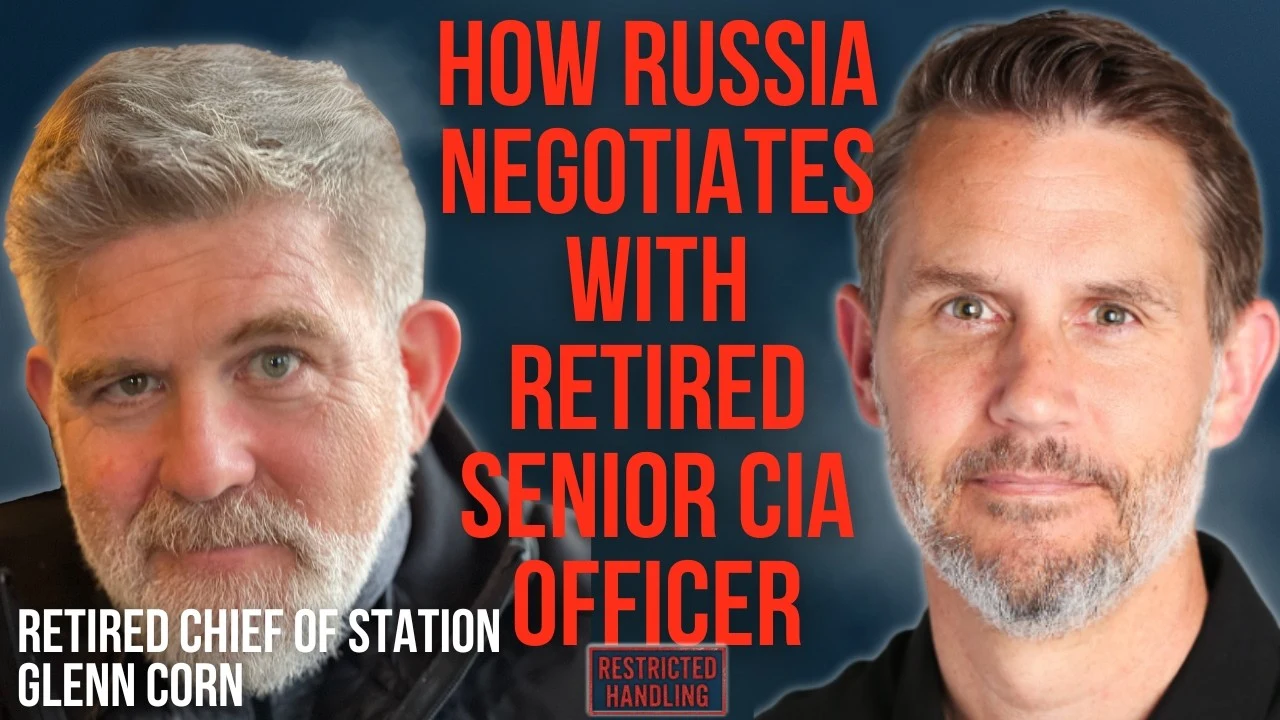
Back from Ukraine, Glenn Corn discusses Russian negotiating habits, the pressure around Hormuz, and why Western militaries need to learn faster from Ukrainian experience.
Glenn Corn / / 53 minutes
Start here
Three key takeaways
-
A smaller demand may still concede nothing
Glenn describes Moscow opening with maximalist terms, then presenting a partial retreat as a major compromise. He wants negotiators to compare an offer with actual interests and prior commitments, rather than accept the Kremlin's preferred starting point.
-
Diplomacy requires continuity and proof
Familiar faces and reassuring language do not establish that Russian policy has changed. Glenn argues for a clear negotiating record, sustained professional engagement, and judgments based on behavior rather than a well-timed announcement.
-
Ukraine's experience has value for its partners
Returning with an American business delegation, Glenn sees opportunities for practical cooperation in defense technology. He worries that Western procurement and training are moving too slowly to absorb lessons Ukrainians are learning under fire.
Episode Field Guide
Explore this conversation.
The people, institutions, and equipment connected to this episode. In the conversation marks a direct mention; Related background adds context.
Vladimir Putin
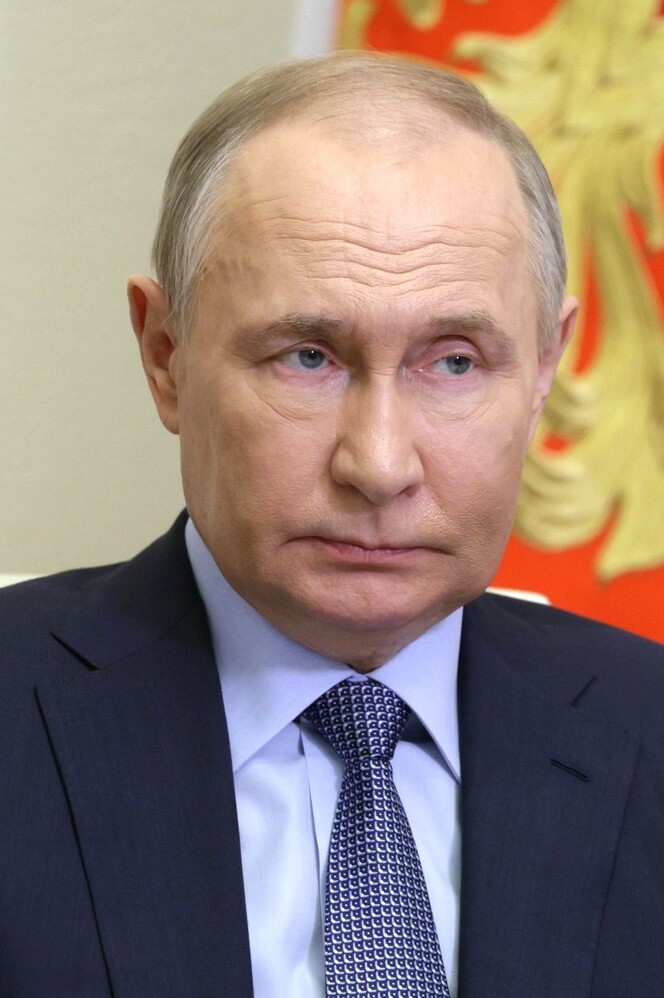
The conversation examines Russia’s negotiating position and claims about Ukraine.
Image credit
Gazprom
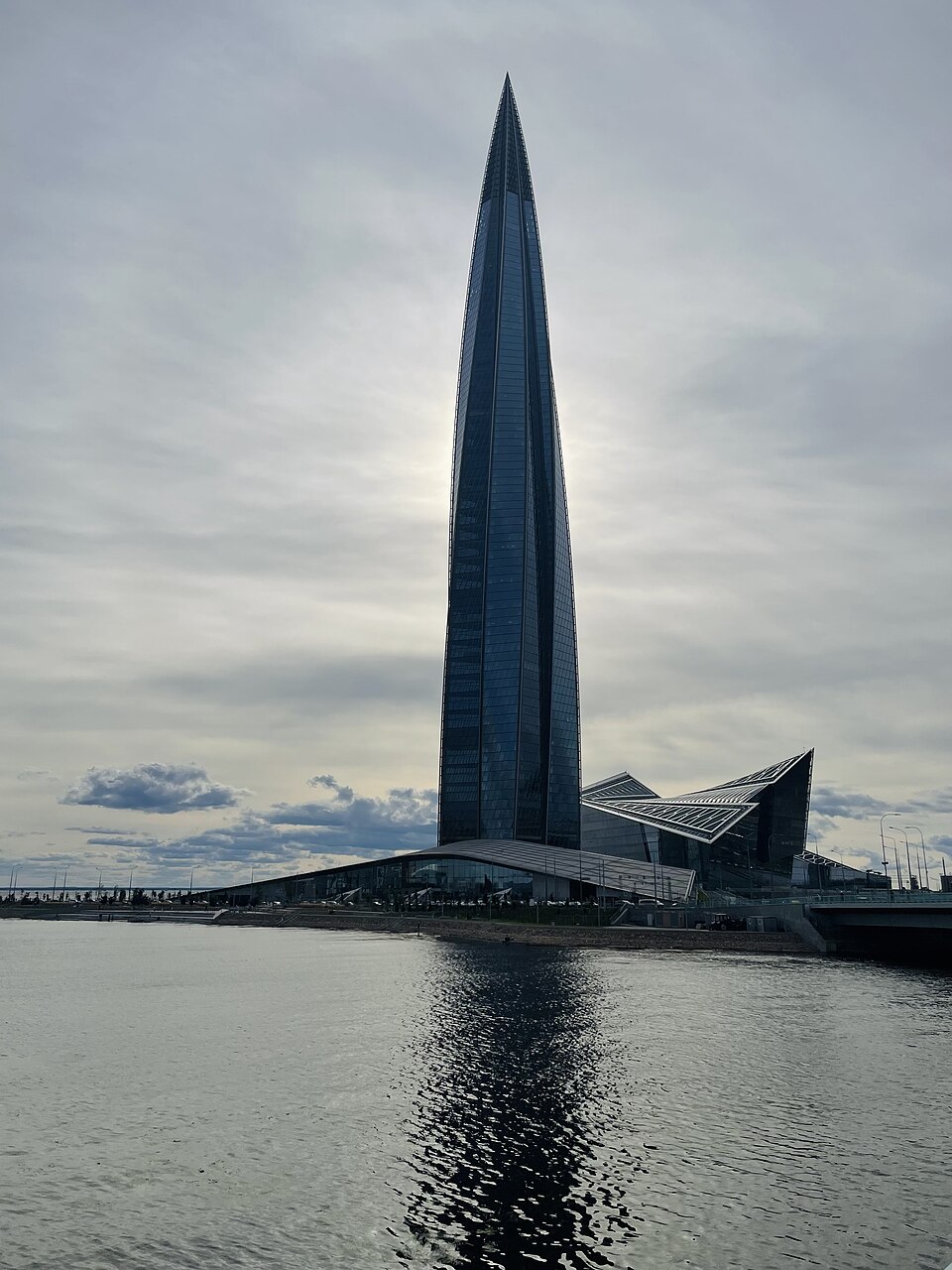
The company is named in the sanctions discussion. This link does not independently verify the episode’s account of a particular designation.
Image credit
Ukraine Arsenal
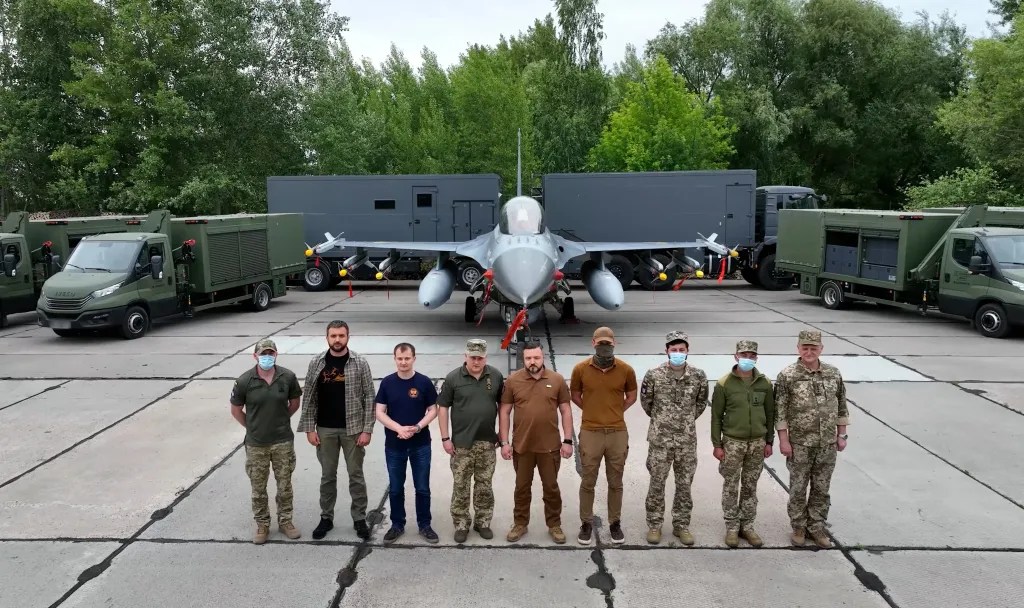
Background on selected systems. The arsenal does not document the unnamed techniques or validate the comparison in this passage.
Image credit
These links are an RH reading guide, not guest endorsements or independent confirmation of every statement in the interview. Episode views reflect its publication date; linked records have their own source dates.
The written account
What Glenn brought back from Kyiv
Glenn returns from Ukraine after traveling with an American business delegation and attending the Kyiv Security Forum. His report includes concern about the war, but also interest in what Ukrainian companies and military units are building. He wants Americans to recognize the potential for a relationship in which both countries gain useful capabilities and experience.
Ryan turns the conversation toward negotiations with Moscow. Glenn draws on his experience with Russian officials to explain a familiar pattern: begin with demands well beyond what the other side should accept, then offer a modest adjustment and describe it as a concession. The effect can be to move the entire negotiation closer to Moscow's preferred outcome before the real bargaining has begun.
Keeping track of what was actually agreed
Glenn describes other ways a negotiating process can be distorted, including alternating conciliatory and threatening messages, applying personal pressure, and repeatedly invoking understandings the other side does not recognize. His advice is to maintain a clear record and to be willing to hold a position. He is discussing the conduct of state representatives, not assigning a negotiating character to every Russian person.
An envoy who speaks the language of Western business may be easier to talk to, but that is a poor substitute for evidence of a policy change. The same test applies to proposed pauses in fighting around symbolic dates. Glenn wants to know whether an offer protects people for a meaningful period and creates a route to something durable. A ceremony or a carefully presented announcement cannot answer those questions by itself.
Leverage needs people who can use it
Glenn disputes the suggestion that Ukraine and the United States have little bargaining power. He points to pressures on Russia and to Ukraine's ability to impose costs, while acknowledging that the war remains difficult. His concern is that Washington could weaken its own position by accepting Moscow's account of who has leverage before testing that account against events.
That leads to a discussion of American representation in Kyiv and the workload placed on senior diplomats. Glenn wants sustained, full-time attention to Ukraine, supported by a functioning team. At the same time, he cautions against treating a single personnel development as proof of an entire change in American strategy. The conversation emphasizes the practical work needed to turn a policy preference into a relationship that can withstand a long negotiation.
Allies, shipping, and lessons learned too slowly
Iran and Hormuz bring another kind of pressure into the discussion. Glenn favors an international effort to protect shipping and argues that repairing friction with European partners would help. He sees connections among the challenges posed by Russia, Iran, and China, while the immediate decisions in each theater still require their own assessment. Maintaining useful alliances becomes a question of capacity as well as diplomacy.
The closing discussion returns to drones and the pace of military learning. Glenn is frustrated that some Western institutions appear slow to absorb what Ukrainians have already discovered through combat. His business trip offers a more constructive possibility: bringing people who need a solution into contact with people already testing one. For Ryan and Glenn, that kind of cooperation belongs alongside weapons deliveries and negotiations as part of a serious, lasting relationship with Ukraine.
Based on the Restricted Handling conversation published May 3, 2026. Views and forecasts reflect the discussion at that time. Original episode and show notes ↗
Full episodeRead the transcript
This transcript comes from the original episode production captions, with spacing adjusted for reading. Names, punctuation, and terminology may contain transcription errors. Refer to the recording for exact wording.
Hello everyone and welcome back to another episode of the Restricted Handling Podcast. Today you've got Glenn and myself, no guests this time around, and it's long overdue. Glenn is back from some travels that we'll touch on and there's a lot going on with Russia and Iran to chat about. Glenn, welcome back stateside. Hey, how are you? I'm good. I'm good. We also have some good news from Venezuela. the first US airline flew in, civilian flight, my understanding, earlier this week. So, it's good, That is good news. mean, inflation there is like, I think 300 % maybe higher right now.
So any news in that direction is probably good. Yeah. trying to find a positive spin. Oh yeah. All right. So Glenn, you're just back from Europe. Can you give us a rundown of what you were doing this time around and any feelings of what's going on over there? Yeah, so I was just in Ukraine, uh took a delegation for a wonderful American company called American Kestrel. uh They organize trips for American investors and business, know, companies that want to explore different markets. And so they asked me to escort a delegation to Ukraine, very short trip, very intense trip, uh meetings in Kiev.
So this one, you know, usually when I go there, I spend a little bit more time on the ground. This one was you know, kind of in and out, very surgical, but what we lacked in time, we made up for in volume of, meetings. So this one was very much more focused, you know, less on the geopolitical than on the actual business side, which was also interesting. As you're timing Ukraine, I mean, you mentioned that you're escorting a group there. Clearly you're not doing like a force protection for the group. I'm sure you're there to link them up with businesses and contacts and whatnot.
What's the vibe, the way people are talking about business opportunities there? Well, would say that for the first time, well, for the first time I'm seeing that American companies are interested, like they're beginning to explore the market. They're beginning to reach out and make contacts. Since I've been back, I had another group reach out, express interest in going in. Yeah, we're definitely not doing force protection. mean, we do have people that do that. Yeah. You know, you need to be careful. And I think that this company just wanted someone who understands like the language, the culture a little bit, like how to, how to maneuver around and then help get some meetings with the government officials, know, Ukrainian businesses.
So, and I should also add that while I was there, I had the opportunity, um, because it just, happened to be there when the Kiev security forum was ongoing. And so I was asked to speak on a panel with the former head of MI6, general David Petraeus, the director of the CIA, a former colleague of John Seifer, and the Estonian ambassador to Israel, who had been the deputy head of the Estonian intelligence service before he went to Israel. So that was fun to be part of the forum and be on stage with some heavy hitters like that. Jeez, what were some of the questions you're getting, Glenn?
I mean, that's a pretty stacked lineup to get insights from. Yeah, because you're in Kiev, I mean, it's all focused on the war, you know, Ukraine, US support, European support, you know, Iran did come up and I'm happy to talk about like my comments. This is the second time because when I was there a couple of weeks ago, we also spoke at a similar forum. And, you know, I upset some of the people, I think on the Ukrainian in the crowd. Most of the people are Ukrainian because the Ukrainians are generally frustrated with the war in the Gulf. They're concerned that it's, you know, drawing off resources from their effort to defend themselves and distracting the administration uh from the war in Ukraine and the negotiations, my assessment is that, and I think I've said this before, and we actually had one of our guests who, was not staged in any way, but he said that, because of the war, now the Russians don't have the same amount of supplies that they were getting because the Iranians are a source of weapons for the Russians, right?
And so I made the argument, some of the other people on the panel and maybe the moderator were pretty critical of the administration for doing what they're doing in Iran. And I just made the argument and I will continue to make the argument. In fact, I'm working on an article now about this op-ed, but I don't know how you can argue that we should defend Ukraine and its sovereignty and its existence without arguing that we should do the same for Israel. And the Iranians and the Russians, the regimes in Tehran and Moscow are the same. They're terrorists. They're terrorizing other countries and they're threatening their existence.
They both believe they have a right. know, Putin thinks he has a right to say Ukraine doesn't exist. There's no such thing as Ukrainian. And of course, we know since 1979, the Islamic Republic, the regime there, Which I don't think represents all the Iranian people in any way, but they control power right now. They have said over and over again that they are going to destroy the state of Israel, going to wipe it off the face of the earth. They're going to annihilate Israel. And so as an American, I feel pretty strongly that we have to like support both. And I support what we did against the Iranian regime because after years of being attacked by Iran and threatened by Iran, we finally did something about it.
You know, going back, we remember we had this discussion with David Hale, Ambassador Hale. going back to the Reagan years, think we just were very passive in my opinion. And I get that the Ukrainians and some people are worried that this is distracting attention away from the Ukraine issue. My criticism of the administration is not that we are doing what we're doing in Iran. My criticism is that President Trump has given Putin over a year to negotiate in sincerity, hasn't done it. And I think now is the time to turn up the heat. So he has shown... in my assessment, em courage on the Iran issue.
I think he made a principled decision and he's standing by that decision, which I welcome. But with Russia, think he, you know, for whatever reason, we're letting the Russians get away with this game playing and, you know, not really showing any willingness to negotiate in sincerity. And I personally think it's time to turn up the heat there. Now part of the war in Iran, think, is going to turn up the heat on, it is already turning up the heat on the Russians. em And if you say what's happened in Mali, by the way, let's jump to Africa. The Russians are now having big problems with their surrogates in Mali.
They're unable to hold their position in Mali. my argument would be because they've overextended themselves, just like the Soviet Union did. em You know, they lost Syria, they lost the caucuses. They lost, they were losing Iran, right? They just lose like they're losing Mali. Cuba, they're on the, like Venezuela, Cuba, right? Now all those losses, they can be reversed if we don't, you know, do the right thing in my opinion. But anyway, so that was the main points. No, that's interesting. mean, just some of the data right now, 213,858 killed Russian soldiers killed since this fighting started.
I guess we're on four years now. This is amazing. So it just keeps adding up. I am curious. One of the things I wanted to talk about with you, Glenn, with your background is how Russia negotiates. And I think it's great that you just brought this up about You know, driving this out, we hear promises constantly and then backpedaling. Is this just a holdover from the Soviet era? It's like the same playbook. It's just Putin. How do you advise people in the US government when you're trying to tell them this is how the other side, this is how the Russians are going to play this negotiation?
What do we know about? Yeah, to be clear, like, again, this is my personal opinion. That doesn't reflect any government position. I don't hold a government position. Like, right, I don't speak for the US government. But, em you know, what I saw were the years of Russians come in with very maximalist demands. They take a very maximalist position and they argue, they come up with all kinds of like historic arguments or slights to try and... confuse the other negotiators, throw them off balance. You know, they want to go on the offensive and then they'll, they'll throw in some things that, you know, over time, like they'll take a very maximalist position.
They'll say, okay, well we're willing. And they do it very theatrically to make this little concession. Right. But if you really look at it, it's no concession. Right. It's something that they've gone maximalist on and now they're, well, we'll do this or we'll consider this. Like we'll consider having cheeseburgers instead of, uh, you know, I don't know beef stroganoff for dinner. I don't know. that's example, but, then, know, the other side goes, Oh, look, like we're making progress. They're so easy to like, and then they, then they also throw in, like they bring in, let's like good cop, bad cop.
They'll bring in people that like, Hey, I'm the good guy. Like I'm. I really want to make a deal with you guys, but I'm under so much pressure. And, know, the people like that your other were talking to, like they're the hardliners, but you can make a deal with me. Just give me this concession and, know, I'll get you something down the road. And they bamboozled people. They played people. Right. And so we often fall for it. One of the things the Russians are very good at is they keep bringing the same people to these negotiations. So they know their interlocutors very well, psychologically.
personality and they use that. They know where to push, where not to push, know, when to say something nice, when to say something, you know, given our own line of work, Ryan, you know, the, like that, that skill set and our, our way of doing this, what I saw is we said different people are sometimes for the same topic of negotiations. We keep sending different people. They're starting from scratch. They don't know the background. The Russians are throwing stuff in like three meetings ago, we agreed to this. And the guys are like, well, did we? don't know. don't know.
Like going through, I don't have any notes the next day. Okay. Well, I guess we did, you know, and then they come out and say, look, we made a big progress. Like we came to this agreement. And then actually you look at it. like, no, the Russians got what they wanted. So, you know, my advice to people is be consistent, send the same people like, you know, if it's working. You should send the right, and definitely like the staffers that support these negotiators should be the same people so they can like, you know, grab your, you like at the break and say, Hey Ryan, like you're the lead negotiator.
Like, by the way, three meetings ago I was here, that never happened. There was no agreement. Like, trust me, these guys are just, they're, they're, what's the word, they're, they're like, they're playing games. Did you just come up with a Russian word? Is there a Russian word for it? Yeah. and so that's something that I saw. And then, you know, the Russians, for Russians, the idea of compromise is weakness. yeah, so if you like, you know, we had this where somebody senior in the administration said, we can do a win-win situation for the Ukrainians, Russians, everybody.
Well, the Russians don't see it that way. It's zero sum for them. Now. You can negotiate with the Russians. You can make progress, but you got to be tough and you got to be willing to stand your ground. you need to be willing to get up and walk away and do we do now to your point of pushing a little bit more? What's the right answer here? Well, think, you know, President Trump, if you look, President Trump in October got frustrated. This is my assessment. And so he slapped new sanctions on Gazprom and Luke oil. And then of course, we went to the Indians and we said, as part of this big trade deal, like you're going to, you're going to reduce or you're going to stop buying Russian oil if you want this trade deal.
the Indians agreed. So he took some concrete steps to the Russians, like, immediately after that, Putin sent this guy, Kirill Dmitriev, his envoy on these negotiations to Washington to the US to kind of calm things down. And I'm sure he came here as like, no, like, there's a misunderstanding, we really want to make peace, we're just under pressure. Right. So they like he's the good cop. Right? He's the guy that they're using as the good cop. He speaks English, he worked in Wall Street, you know, I think he went to Stanford or somewhere like in the US. And so they I ate my assessment is Putin uses him as the America whisperer.
I'm one of you I like Harley, And you know, I drink California wine, you know, I'm sophisticated. I'm not like the other knuckle draggers in the Kremlin, like. And, and that's another ploy, right? Now, you know, every every country does that to some degree. But that's what I saw with the Russians and You just need to hold your ground. need to be able, know, president Trump, again, what frustrates me now is Trump in his first administration, he walked away from some of the arms control treaties because he said, look, like the Russians aren't abiding by these treaties.
And what's the point of being like a, you know, a signatory to an agreement if the other side isn't living up to like their obligations. So we're done. We're ripping up the, you know, we're not going to extend the agreement. We're going to leave the agreement. Um, and. You know, Trump gave the Iranians a year of negotiations. He tried. But then when they played games and they were doing what they traditionally do, he decided, okay, I'm going to pull the trigger and we're going to action. So, you know, I'm not suggesting that we should bomb Moscow. But what I'm suggesting is that we need to up, we need to go back more sanctions.
Lindsey Graham, from my understanding, has a sanction package ready. There's bipartisan support for that. I think we should stop accusing the Ukrainians of being the problem. Right. I don't think that that's helping because it's, but one's not true. The Ukrainians may be part of the problem to some degree. You know, they're not perfect either, but the Russians are the aggressors here and the Russians are the ones that are not showing any willingness to make concessions. And the Russians ones that are playing games, like saying, we had an agreement in Alaska. Right.
But I don't think there was any agreement. I mean, if there was such an agreement, why did Trump send Putin home without lunch? So a few things, probably very interesting time to be in Ukraine, honestly, over the past 10 days or so, you've got one of the things that I've been reading about was daytime drone strikes coming in from Russia, which is a little bit different than normal. Usually it's at night. So I'd be curious to get your take on that, Glenn, but then also Julie Davis, the acting US AMBO in Kiev steps down. I would love to get your thoughts on what happened there.
Just from day to day and then now all of a sudden you've got Julie who it sounds like was saying some of the same things you just said, which is like we weren't being tough enough. You've got the EU had just sent another uh set of sanctions on Russia and they just released their 90 billion euro aid package. So there's a lot happening right now over there, but maybe we start with Julie Davis resigning as ambassador there. Yeah, I don't, I don't think she was, I'm not sure the whole detail. I don't know if she was resigned or she wasn't the ambassador. She was the charge, aid affairs.
She was, she was borrowing from, you know, she's the ambassador to, uh, Cyprus. Right. So, and she was covering both God bless her. Like, you know, she was, she was going back and forth, but by the way, going to Ukraine is not easy because there's no flights. You don't fly from Nicosia to Kiev. You got to fly somewhere in Europe and get on a train or drive. And that's a long ordeal. Trust me, I've done it many, many times. So, you know, my understanding is she was dividing her time I don't know if the administration is going to replace her with a permanent ambassador or I don't know what the plan is.
Right. My advice is yes, you got to get a permanent ambassador there, because it's impossible to be the ambassador in two places. or the ambassador in the Chargé de Fére, my assessment, especially a complicated place like uh super complicated Ukraine. then Cyprus, we haven't even talked about, we should get a good guest on and talk about the conflict in Cyprus, which is a divided country. It's a country between Northern Cyprus and Southern Cyprus. And I don't know what her plans are, if she's retiring. I've met her one time. She had a very good reputation. My understanding is she was doing a good job, but how long can you do that?
It's been almost a year that she's been shuttling back and forth. So I would say, some people are trying to spin this as it's, know, anti-Ukrainian. It's, know, the administration is walking away from Ukraine. I hope not. And, and, you know, when I heard, keep hearing is we're still, you we just approved Congress finally, oh sorry, not Congress, the Pentagon finally released another aid package, military aid to Ukraine that the Pentagon was sitting on. There's other aid that's going to the Ukrainians, you know, in the energy sector, in the infrastructure sector.
So the, you know, the narrative that we're not doing anything, I think is a false narrative. The messaging isn't great, in my opinion, which is kind of a problem across the board. But part of that, I think, is because there's just a lot of people looking for any reason to attack this administration. don't know what the story is with Ambassador Davis. I know that what I had heard before is she was doing a good job. And I'm not sure if she's retiring or she's going to another assignment. think she's close to retirement. Said she had served tours in Tblisi, Kiev and Moscow in her career.
So certainly not someone who doesn't understand that region, I guess. And sources close, you whoever was interviewed and obviously we don't know because they're not named. Saying it was really disagreements with the administration over reluctance to fully support Ukraine and pressure on Kiev to make territorial concessions to Russia. That's at least what's described in reporting. But yeah, I would say it doesn't look good, but I haven't seen Trump weigh in on it either. Like, I don't know if it even got to this level for something like this. Yeah. I mean, like a general commentary on the administration, they don't seem to think that, I mean, you know, you see president Trump has some ambassadors that are doing multiple jobs.
Right. Tom Barack, the ambassador in Turkey is that also the Syria envoy, the Lebanon envoy, he's handling like a lot of very big. Yeah. You know, that seems to be president Trump's preference. Um, and you know, how sustainable that is, I guess we'll, we'll find out, but, um, I would say, it's just my assessment, like the territorial concession piece with the Ukrainians, both sides are gonna have to make some concessions. I think what I've heard from the Ukrainians is they're ready to make some concessions. And it goes back to my point about the Putin, like they're not ready to make, they're keep, like, okay, our concession will be, we'll let the other guys make concessions, That's not the way to come to like to negotiate, in my opinion, or negotiate a settlement.
And the Russians are in trouble. Putin has a lot of problems. And anyone that's telling the administration that the Russians are in the driver's seat, like they hold the cards. I don't agree with that. We hold the cards. that death count, they lost 5,000 people in the past three weeks. That's crazy. Yeah, I mean Ryan, like we focus in the West on that number all the time. Remember, the Russians lost in one battle in the First World War a million troops. All right. In one battle in that entire war. So like their history is a little bit different. like they're I think psychologically like the loss.
I hate to say it, but like life has a different value for the leadership, like in the Kremlin and the leadership in the White House. We know we lose. God bless them. A couple of, you know, troops. in the Gulf and there's a lot of angst here because we care. Right. Questions. I think more importantly is like, they sustain, like, can they continue to deploy people? Right. And then putting pressure on Putin around the people around him that are just getting increasingly tired of living in the isolation that they're living in and not being able to like enjoy the benefits of life.
And the Ukrainians themselves are doing very good job of putting pressure on them, know, striking further and further into uh Russia. You know, these deep strikes, strikes on oil infrastructure, critical infrastructure. um And economically, you know, there are, there is a lot of pressure, it's growing. And, you you mentioned the Europeans, it's good what the Europeans are doing, but let's be honest, like, this is my assessment, it's late into the game and they could be doing more. Right. They continue to buy gas. it's not as perfect as it should be. So the U S and the Europeans could probably do a lot more.
And, know, one of my, one of the sad things about this conflict is there's a lot of tension between Brussels and Washington. Right. From, I think both sides have a reason, like they're, it takes two to tango. So not one side is completely guilty. And we need to address that. need to fix it. What about one of the things that's come up recently is May 9th in Russia, Victory Day. Seems to be a big deal. Putin wants, sounds like a ceasefire for the day. Would love to get your take, Glenn. Like, what's it like on Victory Day in Russia? How big of a deal is it? What's it like?
Is that our Fourth of July? What does it compare to? that victory day is celebrating the defeat of the Nazis, the fascists, and the end of their reign of terror in Europe. The Russians liked to present it as uh Russia's victory over Germany, over Nazi Germany, that they did it on their own. Like, you know, if they're, if we're lucky, like we and the Brits get a little credit, you know, but they did most of the, you know, and they'll, they'll cite the numbers and they had horrendous losses. Right. During that war. Okay. What they always conveniently forget to mention is that we were fighting in the Pacific when the Russians did nothing.
The Soviets did nothing. They didn't want a war with Japan. They let us in fact, you know, I always tell people, I don't know if ever talked about this program, but Americans should all. study that history is called Operation Snow. It was a Russian covert action operation to bring Japan and the United States to war in 1941, right? drive. Well, yeah, I wrote an article about it a couple of years ago, two years ago on the anniversary of Pearl Harbor. I forget where it was published, maybe Military Review, but it's a very famous Soviet covert influence operation.
where they use their network of spies in the US and in Japan, Imperial Japan, to push us and the Japanese to war. They didn't declare war in Japan in the Second World War until after we dropped the first atomic bomb, right? When they knew the Japanese were out. now, one of the things I remember about Victory Day in Russia, And anyone that's ever gone to Russia, visited Russia on Victory Day knows like many, Russians suffered. And many Russians used to tell me, we never want a war with the United States. Like we never want to go through that again. And, uh you know, there, there is like this sentiment of like pain that's been handed down, especially with, you know, the veterans, like the older generation, which is of course dying out now.
But uh The Russians tend to forget that, you know, the Ukrainians, the Georgians, the Uzbeks, the Armenians, everyone that was part of the Soviet Union fought. And of course the U.S. and Great Britain, by the way, for a certain period of the war when the Russians or the Soviets and Germany were allied, you know, they had the Molotov-Ribbentrop Act and they divided Poland heinously. You can find pictures of the Gestapo and the NKVD. meeting and like celebrating the division of Poland. They worked together to identify Polish officers, arrest them and shoot them.
Right? This is a horrible history. And while all that was going on, the United Kingdom was the only country that was fighting the Germans. know, the US hadn't entered the war. France was knocked out of the war, Belgium, Holland. So the Russians tend to forget that, or they kind of gloss that over all that part of the history. And there are plenty of Russians that are thankful for the assistance we provided them through Lend-Lease, which was very significant. the official history, especially in the last 20 years, has been to kind of downplay any role. You know, our bombing campaign, I just watched a great documentary the other day with Tom Hanks.
He was the moderator. I forget the name of the documentary, but it was about this unit that flew in the Second World War like They lost the, the, as a former pilot, you know, like we lost a lot of, of airmen, like pilots, airmen bombing Germany. And there are those military experts, historians that claim that if we had not destroyed like the defense industrial base of Germany, the Germans could have kept fighting for much longer. Like that was, I think it's Stephen Kotkin that makes this argument. I may be wrong, but that Stephen Kotkin, great historian like And I always recommend him, if you want to understand like Russian history, like in Russia, like go to Stephen Cotkin.
ah So he talks about like how that air campaign, strategic air campaign really made the difference in the second world war. And May 9th, Putin wants, yeah, no, but now like today, this is a big deal, right? He wants a ceasefire for a day or even hours. a ceasefire so he can hold the traditional parade without having to worry about getting hit by Ukrainian drones. Because before that, he made that claim or that offer, you know, that the announcement was the Russians were not going to use any military equipment for the parade. Usually they do a military parade, but they don't want to do that because they're worried the Ukrainians are going to hit them.
So he makes this offer on May 9th, we'll have a ceasefire because it's convenient. It works for him. I think the Ukrainians very rightly came back and said, okay, let's do an extended ceasefire. it's like, it's good, everyone benefits. Let's see what his response is to that. And, you know, I encouraged the people in the Trump administration to watch his response. He's not making a generous offer. He's doing something which is beneficial for him. And if, and if I were the Ukrainians, I'd say if you don't do like an extended ceasefire, we're not doing it for May 9th.
Certainly not. By the way, the fascists, right? Who's behaving like fascists now? yeah, but they're accusing the Ukrainians of being fascists, which makes it even more frustrating. Yep. children, who's bombing civilian targets? mean, we can go for this, but anyway, so May 9th, know, the other parts of the former Soviet Union, they celebrate May 9th to some extent, but not, you know, it's a big, big holiday for the Russians. Well, all right. So before we pivot to Iran here, just real quick, there have been some espionage cases exposed that the Russians have been running over the past couple of weeks.
One was in Lithuania that 13 people charged. They were tied to uh GRU activity with a mix of surveillance, attempted hits on dissidents, arson, targeting Ukraine-link logistics across different countries in the EU. Separately in Germany, you had a Kazakh. National who was arrested for spying on defense and drone firms inside Germany, supporting Russia. then lastly, in the UK, this was an interesting one. This is not Russia. In this case, it was Iran. A criminal was arrested and admitted he was paid about 50,000 pounds or no 50,000 euros to surveil Iran International, an Iranian dissident group in London.
Basically, this guy had just been contacted over encrypted apps and was just saw this as easy money. It wasn't ideologically aligned. So this stuff keeps happening. Oftentimes it's Russia happening in Europe. My question to you, Glenn, is like, do you think it's a little bit easier to recruit low level now than it was back in the day? Is it harder because of more technology and surveillance capability or is it a little easier with encrypted apps and crypto and that sort of thing. good question. mean, maybe it's easier in some ways, but harder to sustain, quite honestly, I don't really think about it that much anymore.
Um, but there is a lot of this going on and you know, the Ukrainians have told us some of the cases they've had, they've dealt with the Russians using telegram to recruit people, crypto to pay people using, uh, people using what they call the em meta glasses to identify. Yeah. So, you know, they're using technology to their advantage. That's what spy services do. Everyone does it like trying to, who can, you know, remember Mad Magazine spy versus spy, right? Like we need to be very aware of that in United States. There's so many lessons. And now I'm going to pivot a little bit and criticize us because like we didn't learn the drone lesson in the Gulf going into war, you know, when we were getting ready to go to war with Iran.
we need to look like our industry needs to pay attention to this. When I was out there with you last year, sitting in your, your uh tiny backyard. your garden, your, I was going to say your, your sly garden, when your wife is very nice enough to host us over. you know, we talked a little bit about this, the threats to critical infrastructure in the U S and then of course the use of criminal groups. Like, you know, we need to be very aware of that. Now recruiting and running criminal groups to do stuff for you is one way to do things. But of course, you know, my experience was we, we tended to avoid that because you can't control the criminals.
And then they have a higher profile for other reasons, so they're in law enforcement's radar. But the Russians have gone to that, I think, because they're desperate. And a lot of other capabilities over the last five to 10 years have been eliminated because there are mass PNGs starting in 2018 of Russian intelligence officers around the world. And they've increased after 2022. Of course, there are no flights to Europe now from Russia. Like to get to Europe, you know, is not easy for Russians with all the technology. You know, when you, when you, you know, know, but when you, when I travel, when you get on the airplane at Dulles, like the airline you're getting on, they take your picture.
I'm sure like that, like your biometrics are everywhere. So, you know, it's not like in, you know, the old days of James Bond where you could travel around the world in three different, four different identities. Like that world is gone. So the Russians have that same challenge. So I think they're looking for other ways and surrogates to do things, low level sources to cause disruption. I would equate it to what we see on the battlefield in Ukraine. Like they're using these, you know, poorly trained infantrymen groups or two to just cause disruption and try and get a foothold somewhere.
uh Even though knowing like 90 % of the time it's completely ineffective. But it's think that's easier today is the low level recruit. You don't even have to have a human present to do the recruit. I mean, you can just do it all electronically, largely through, you know, encrypted services, pay in misattributable, you know, different types of currency. And then if they get caught, there's very little problem because they can't tie it back to anyone. So. Or even if they do, okay, people say the Russians recruited us by, right? Yeah. And you know, like people are numb to it.
I mean, guess what the Russians like, you know, one Russian sent to me once I said, you know, don't you worry that people are like, don't like you. And he was like, nobody likes us. We don't care. Right. Which is a strange thing because we're from a country where we want to be liked. Right. So if you're listening to us overseas somewhere, we want to be like, like us. It was a lie. tell a friend. of a deal, I'm total pivot now. The UAE just pulled out of OPEC. They withdrew from OPEC. To me, that's like earth shattering. But I haven't followed that for a long time.
I think it's largely brought on by the Strait of Hormuz being closed and all the difficulty transiting there and a little bit of controlling your own destiny if you're one of these countries, probably a little bilateral relationship issue with Saudi Arabia. What do you make of this? Yeah, everything he said, I mean, I think this has been building up and probably the, what's like the factor of the most important factor or the triggering factor has been the, you know, the closure of the straight or her moves and the Emirati is wanting to generate revenue and not wanting to be tied to quotas or limits that, you know, OPEC has been putting on them, which are what's they feel are hurting their.
their economy and their national security. And, uh you know, my understanding is I'm not a Gulf expert, but the Emiratis of all the Gulf countries are the most forward leaning. You know, a friend of mine in the Emirates said to me recently, said, look, this war has shown us like, like who our enemies are like, and who you can't trust. And the Iranians are people we can't trust. Like we made the mistake of thinking we could do business with them. and the work we've taken, you know, despite the fact that you let the Iranians do business through the Emirates, do all kinds of You know, open companies do stuff.
They were, you know, trying to negotiate with the Iranians. And yet when this all started, they went after the Emiratis more than anybody. My understanding is like the Emiratis took more strikes. so what my Emirati friend just said, look, like we're done with that. We got it now. And somebody has referred to, I forget who it was, one of our former senior military officials called the Emirates like little Sparta. So tough military, very capable, not large, but well equipped. and you know, uh they're leaving OPEC. Yeah, that's significant. There's, there are major shifts going on like, you know, the markets.
This is, know, again, I give the, get this administration credit. think the Iranians thought that they were going to shut like blackmail everybody with closing the straight. then president Trump and his team said, okay, we'll like up the ante. So we're announcing a blockade. people ask me all the time, well, what's the solution? What I think the solution is, is that our European partners need to come around now. We need to put whatever bad feelings have emerged since 28 February. And we do need not just Europeans, but our other Western partners. We need to come up with a uh international naval force to open the straits and make it clear to the Iranians, you're not going to terrorize the world by shutting down the straits.
And we're not going to let any country do that. And that message needs to be sent to the Chinese as well. Because you got to look at the other side of the world and what the danger is that the Chinese may say, okay, we're going to shut down some straights. Interesting. Yeah. mean, if you're, if you're Europe, you're pissed because you feel like you weren't told about this war in advance. impacts, the economic shocks are hitting them harder than they're hitting the U S at least right now. And yeah, they would seriously have to put aside the ego aspect or the frustration and step in, I think, and then potentially risk losing a Naval asset or two in the straight.
Yeah, listen, let, let's just put like both sides, like I said before, like can accuse the other of making mistakes, but let's put that long to history that we have together in common values. And let's look at that together. And again, like you have to have an international force. has to be a joint message sent to all of the belligerents that we're dealing with, which includes Russia, Iran, and the people's Republic of China and North Korea. Right. They need to see that we're together and we may have disagreements. Okay. Yes. You didn't tell us when we wanted to be told we can argue.
Yeah. Like, you know, you didn't listen to us when we said increase your defense spending or, know, you haven't, it took you a long time to, you know, provide the support we wanted you to surprise provide to the Ukrainian. So we could focus on other things. You know, every, every side can point fingers, but, um, the reality is, is that our history, which goes back many, many years, of cooperation and partnership should trump, that's not like a play on words, it should overcome like whatever bad feelings there are recently, in my opinion. And it looks like right now the stalemate is both sides, both the US and Iran.
I guess I'm saying the US and not the international community yet, but from a US perspective and Iranian, I think both want the straight open removal of blockades. You we're blockading Iranian ports. They're blockading or essentially disrupting traffic through the straight. Both sides want that released. So the straights back open again, but there is a lot of disagreement on nuclear agreements and when that happens. I the Iranians want to see the strait get opened and then they'll talk nuclear, which a lot of people think is just them buying for time. The US administration is on the other side, like come to the table with something on nuclear and then we'll open up the strait.
And we've got a little bit longer than we can probably go economically than the Iranians who really in a pinch in the next 90 days, I would say. Trump is going to feel a pinch probably with midterms coming up, but We're certainly not even close to where Iran is from an economic standpoint. Yeah, the Iranians think that they can blackmail us politically. You know, they know they're very smart and they know the political system here. uh President Trump, I think, has taken a principal position on this so far, and he probably knew going into this, it would be unpopular.
only, I mean, his political opponents are going to use it no matter what to go after him. That's the sad reality of America today with polarization. uh But even members of his party and his base who are isolationists, we're going to criticize them and attack him for launching a war. And we've seen the way that that's turned into a narrative. It's anti-Israel, anti-Semitic to some degree, which is all, in my opinion, nuts. The Iranians were moving. a lot of people are simplifying this argument saying, the Iranians were not going to get a nuclear weapon in the next month or three months.
So why did we do this? I think there are lot of other factors, including like the Iranians were trying to reconstitute their air defenses. They were trying to reconstitute their military capabilities. They were getting help from their allies doing that. And we couldn't let them do that because that would deny us and put our, our pilots at risk in the future if we had to go to action. So I think there was a period where like, we just had to make a decision. The Israelis in the U S and, uh, Do I wish that we had gone to the Europeans and said, like, we're some of our key partners and said, we're going to do this.
Yeah, but I guess we didn't. But there's probably reasons for that as well. Operational security, right? the more that, you know, when they say like, if one more, more than one person knows something, it's not a secret anymore. So. uh And so the, in my assessment, the Iranians are trying to bluff us to get what they want. And then they're just going to drag out the nuclear negotiations. My understanding is let's go back and look, but like Iranians were cheating on the JCPOA. They were not abiding by the agreement. They were, they were still working on their program.
They were trying to weaponize their, you know, their nuclear program. That has got to be unacceptable. As long as the regime like that exists, which is threatening to annihilate its neighbors. And if we had waited two years or a year to do what we're doing, can you imagine like the amount of Shaheed drones and the amount of like missiles the Iranians could have lobbed at their neighbors and U.S. forces in the region? Probably much more than we've been dealing with. We've dealt with up until now. My only, my big criticism of what's happening is one, the communications to the American people were not been great.
Like the communication strategy has been off and You know, we should have been ready. We should have studied the lessons of the war in Ukraine and said, okay, when the Iranians start launching Shahis, instead of trying to shoot them down with the F-35s and Patriot missile batteries, we should use some of the counter drone techniques that the Ukrainians have mastered, which are pretty cheap and pretty effective. And let me say this too, because I keep talking and you can't stop me. You can't stop me. got to talking. For people in Washington, they should remember that when this started, some of our European partners, in my opinion, their, their response was kind of tepid, but the Ukrainians jumped in with both feet.
President Zelensky came out in support of what we were doing and he sent his advisors to help us to help our Gulf partners. You know, I have some Ukrainian friends that were in the Gulf training, working with the Gulf countries. So there's a country, I think the Ukrainians have offered to help with the, any kind of like maritime coalition. Right. So. There's a European ally that has shown that they're an ally. We shouldn't forget that. That's true. Then last thing that I was noticing globally that I thought was important, just to flag is that just yesterday we put a fresh set of sanctions on Cuba.
Just with everything else going on, I think it's easy to go under the radar. But since we had that great discussion with Moe and we've talked to Fitz before on Western hemisphere, still going, putting a lot of pressure on Diaz-Canel over there. He's really, really upset as you can imagine. It's another blow. to their economics and it's really it's going after people in the security apparatus and the government, people who have human rights violations, supporters of the government. And we're just putting a little more pressure on our neighbor there. What do you think?
mean, how long do you think that regime can last under that kind of pressure? I know. When you look at it, I mean, it just looks like they're on their last leg. But I think one of the hardest things to predict, the resilience of a population. I just don't know how you do it. think we've failed so many times. So many countries have failed at that. How long will people hold on? Like to your point that Russia losing 213,000 is fairly insignificant compared to us. The way we view it with Cuba, they've held on for so long, so long. I'm not like I don't know Cuba that well.
I'm not a move forward. So this like I'm not a Western Hemisphere expert. It does seem to me that this administration is, you they're going all out. And there are probably reasons for that within the administration and kind of who's leading the effort and it Americans should look at this and our allies should look at this as part of a whole, like, you know, I said at this conference in Kiev, said, there's not a war in Iran and a war in Ukraine. There's a, there's a war and there's like fronts of the war. It's like the Cold War. And, you know, Cuba is part of that front.
Venezuela is part of that front because the Russians and the Chinese have been challenging us and the Iranians in the Western hemisphere for years, right? Directly and through their proxies. Nicaragua, you know, we're going to get a good guest on and talk about Nicaragua, another country in the Western Hemisphere under like heavy uh influence of China and Russia. And so to me, this is just like we're in a world war. And there are different fronts of that war. And one of the fronts, too, is like the cognitive war, like the information space. So uh Americans shouldn't forget that either.
We're being attacked constantly, cognitively. And We need to be more resilient and better prepared to deal with it because I think we're people are making judgments that are being manipulated by hostile actors, both foreign and domestic, which is. I think through all this, while these fronts are open, China's kind of sitting pretty where they are right now. They're not as decisively engaged as other world leaders. They're kind of watching everything play out. They understand how we operate domestically. They're ramping up on AI. They're able to reserve weapons, missile stockpiles right now.
They're probably looking very carefully at drones. Yeah, one thing, one thing, like again, I am, I, I'm always careful not to overestimate the Chinese. think the Chinese have a lot of problems and we tend to like oversell them as a, as being so powerful and, know, monolithic. I don't think that's the case, but one thing is on the drone space, they do seem to be doing like preparing for drone swarms, like large scale, uh, and, and, know, kind of technical autonomous operations. And we need to get like, get on the ball. and be ready to deal with that and our allies because, like How are we not, Clint?
I don't understand this. Like, had no drones or... I kind of think that we're better than... Anytime we have guests on the show, and you've said it plenty of times, we're just not where we should be. I'm really surprised by that in this one area. I'm surprised. I don't know if it's hubris or if it's just like, you know, the, the, ma the machine, like the aircraft carrier that is the procurement in the U S government is slow to turn. People are trying to make changes. You know, this administration has been radically changing the procurement cycle, like, you know, different companies, maybe like we're distracted.
You know, we are, we have the whole issue of AI out there. Now we have the whole issue, you know, like, uh, You know, like just so many issues that we're dealing with, maybe it's hard to focus on doing that drone pivot. ah But we should learn from like, look, look at the Ukrainians. And by the way, if you talk to the Ukrainians, like they'll say, like the next war isn't going to be the same as the war we're fighting. You can't just overlay what we've done on what you may have to, you may have fight that, you know, in the Pacific, it may be completely different, but there are lessons we should learn and capabilities we should be adapting.
uh And I will say, I'm glad to see there, I guess, you what drives America is business and there's growing interest is what I'm seeing from American investors, uh American companies in what the Ukrainians have to offer. know, you know, uh General Petraeus said this when we were in Kiev a couple of weeks ago, he gave a speech called like, you know, he talked about like the resilience of the Ukrainians, this generation of Ukrainians, like kind of type out their, you Ukraine's greatest generation. and what they've done and they're willing to share their expertise.
Right. And, you know, many of us suggest them, this is how you should like your economy in the future could be driven on. And you have a lot to give back to those that helped you. I've never seen them say no when they're asked for that kind of help. And again, people in Washington should remember that other partners don't always do that. I've seen other partners say, well, you know, we've got this going on like Sorry, I got to get my teeth checked and I got to rearrange the sock drawer. How about next where I'll help you? But Ukrainians, let's go, we're ready. So to me, that means a lot.
Glenn, anything else? So you have been signed on to advise a host of different folks. You're going to be potentially shuttling some businesses over to Ukraine. Obviously, we've got a way for people to connect with you in the description through Great South Bay. your consulting company. What else do we miss? Anything else before we wrap this time around? No, just, let's just say this. We have a lineup of great guests coming up. for all of them, amazing. Like the best. Now we really do have some heavy hitters coming on and we have a growing list. And you know, like if our viewers have anybody they like or topics they want us to cover that we're not covering, please let us know.
Uh, commentary is always welcome. Feedback is welcome. Prefer better, like nice feedback, but you know, if I need to change my hairstyle, let me know. My wife tells me all the time, get new glasses, uh fixed a lot. But no, I bought some new glasses. So, but no, we like, we're going to have a really like a powerful lineup. so throughout the summer and the fall, think, um, I'm looking forward to it. And starting with next week, right? We have a very, very senior. I won't give his name yet, but a former US government official who I had the opportunity to work for in the field and great guy.
Super wicked smart as they might say in Boston, wicked smart. And we'll be covering in that one, the big three, right? I mean, we'll be talking Russia, Iran, China. So if people are interested, just maybe leave some comments in this particular video, if you're on YouTube, or shoot us an email at info at restrictedhandling.com. This is a very long tenured senior official who can go deep on some of these topics. Right. And he's just one of many great guests we have coming. Awesome. Thank you so much, Glenn. Have a good rest of the day. you have a great Sunday and you still have a lot of your day ahead of you out there and in Cal.
All right, Ryan.
Back to the Episode Field Guide ↑Keep listening.
All episodes →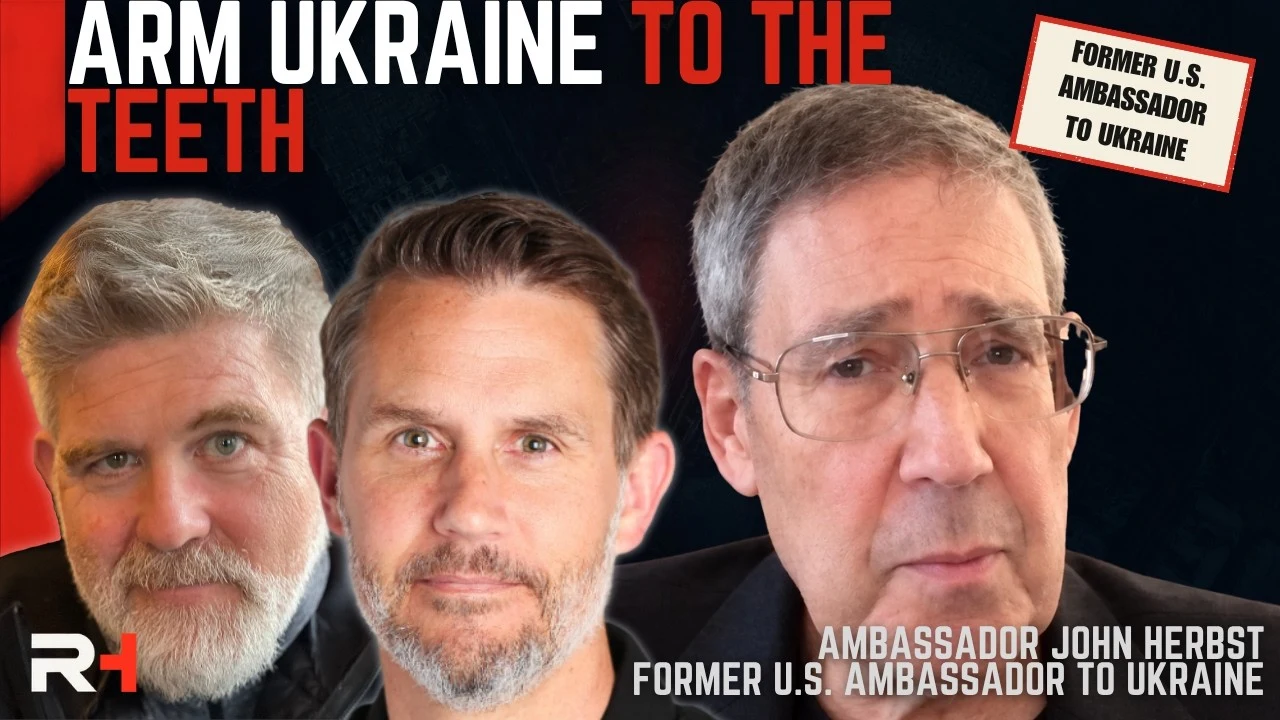
John Herbst / Ukraine and U.S. strategy
John Herbst on Arming Ukraine and Raising the Cost of Russia’s War
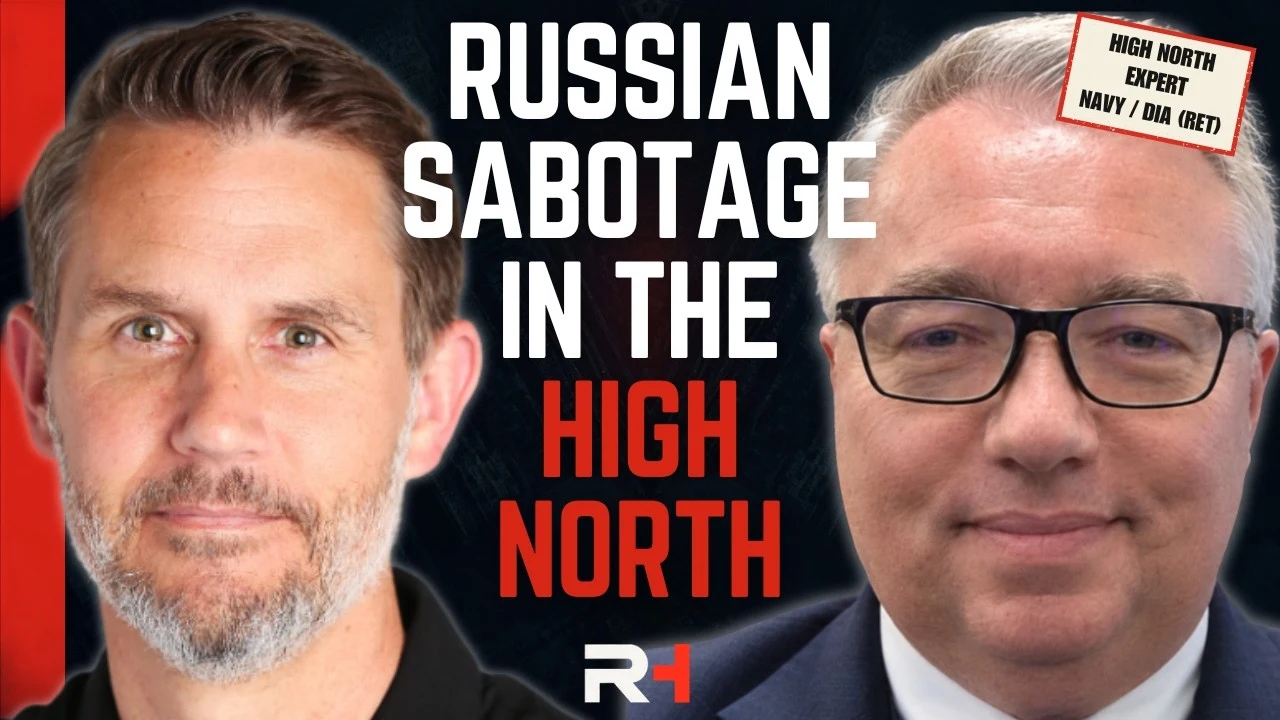
Steve Wills / The Arctic and maritime security
Steve Wills on Russia’s Arctic Submarines and the Cables Beneath the Sea
Between episodes
The daily brief is free.
Russia, China, Iran, and North Korea. Straight to your inbox.