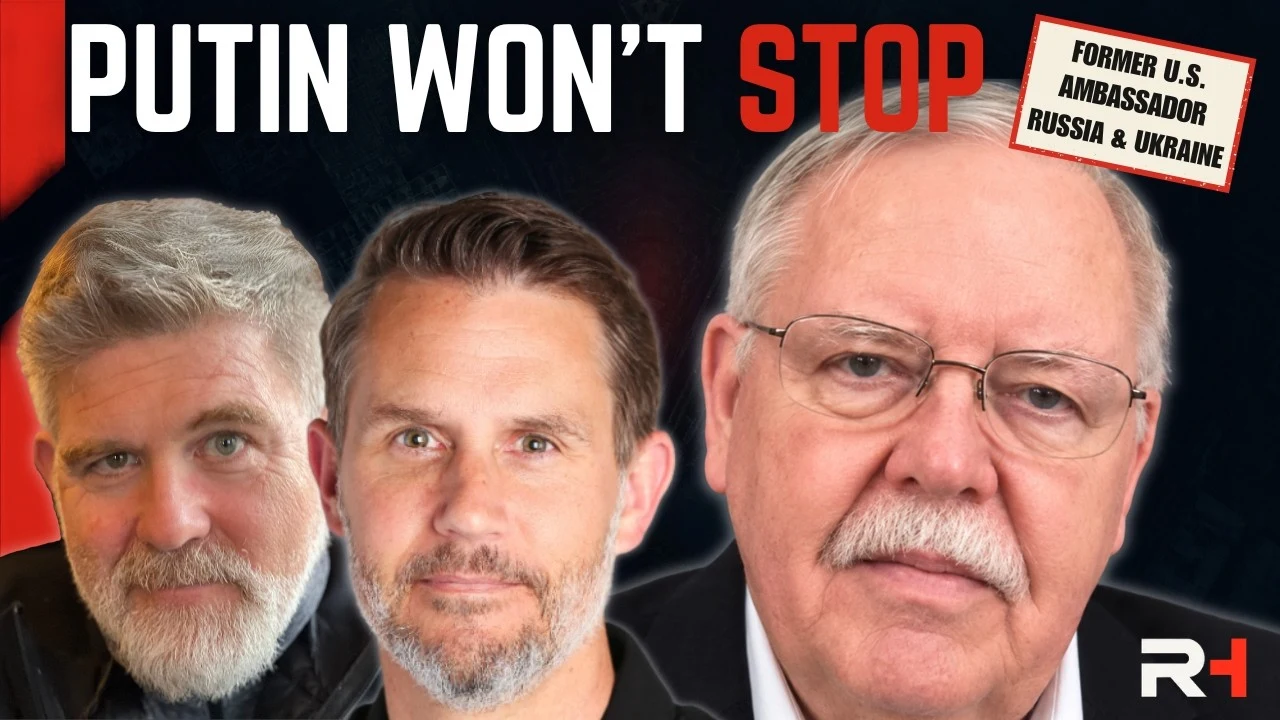
John Tefft on Whether a Peace Deal Would Give Putin Time to Rearm
The former ambassador to Russia and Ukraine joins Ryan and Glenn on Moscow’s ambitions, Ukrainian resilience, NATO deterrence, and what negotiators need to understand.
John Tefft / / 56 minutes
Start here
Three key takeaways
-
A settlement has to be judged by what follows
Tefft doubts Putin is ready for a lasting compromise and asks whether a deal could let Russia rebuild for another attack. He presents that concern as his assessment of Moscow’s ambitions, not knowledge of a future decision.
-
Ukraine’s society matters as much as the negotiating map
Tefft recalls university visits and conversations that shaped his understanding of Ukrainian aspirations. He argues that Moscow underestimates the society’s resolve and the choices Ukrainians want to make for themselves.
-
Deterrence and informed diplomacy belong together
The interview connects NATO’s posture, Russian pressure on Europe, and the demands of negotiating with the Kremlin. Tefft emphasizes preparation, professional experience, and a clear view of the other side’s goals.
Episode Field Guide
Explore this conversation.
The people, institutions, and equipment connected to this episode. In the conversation marks a direct mention; Related background adds context.
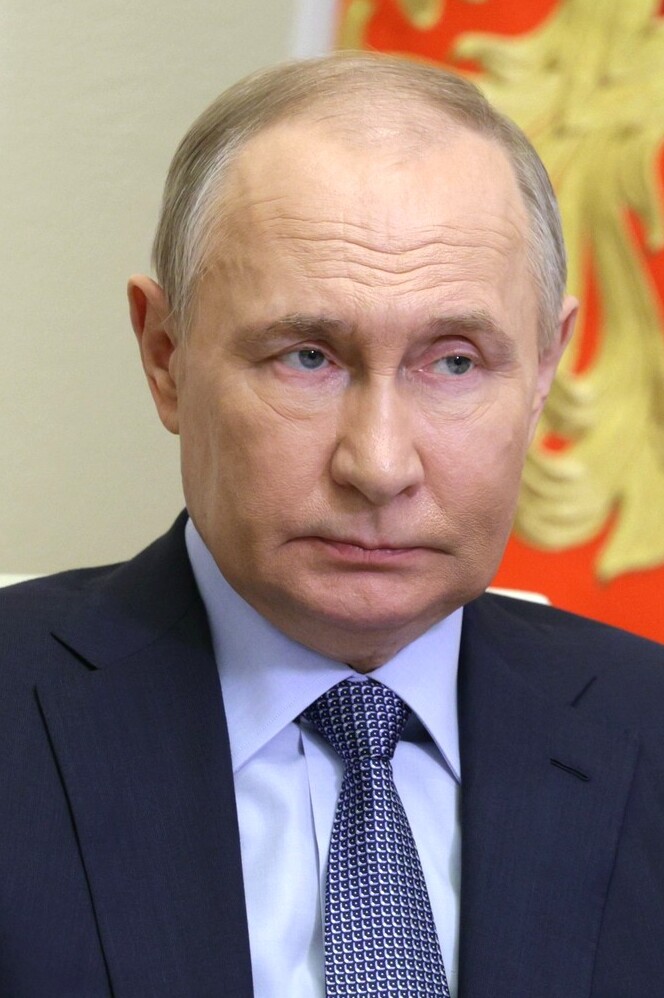
Vladimir Putin
Tefft offers an assessment of Putin’s ambitions and legacy. The linked public-record dossier does not turn that interpretation into knowledge of a future decision.
Image credit
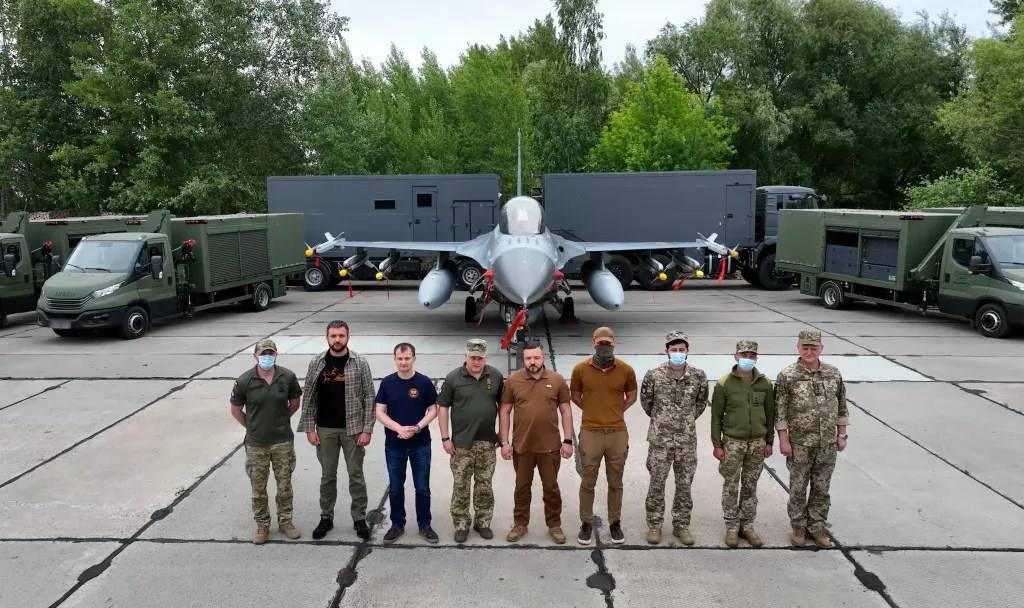
Ukraine Arsenal
Selected equipment background for the discussion of Ukraine’s wartime capability and experience. The passage does not establish an inventory or certify that every unit meets NATO standards.
Image credit
These links are an RH reading guide, not guest endorsements or independent confirmation of every statement in the interview. Episode views reflect its publication date; linked records have their own source dates.
The written account
The question after a ceasefire
A ceasefire can end one phase of fighting without answering what comes next. Ambassador John Tefft joins Ryan Fugit and Glenn Corn to examine that problem through decades of diplomatic experience in Russia and its neighborhood. He sees territorial expansion as central to Putin’s idea of his legacy, and doubts that a negotiated pause would necessarily bring an enduring change in that ambition.
Tefft’s concern is that Moscow could use a settlement to restore its strength and return to war. The discussion asks what arrangements would leave Ukraine secure enough to prevent that outcome. Tefft’s assessment places deterrence at the center of the negotiating problem: a pause needs to leave Ukraine able to resist renewed pressure and capable of defending the settlement that follows.
Russian pressure and the meaning of deterrence
The hosts ask whether worsening relations could lead toward direct conflict with the West. Tefft examines pressure on NATO and the Baltic region alongside the war in Ukraine. He discusses the role of allied support in sustaining Ukrainian resistance and the possibility that Russia seeks to weaken the willingness of Europe and the United States to continue that support.
A recollection from NATO negotiations in 1997 gives the discussion a concrete historical anchor. Tefft describes the value of a military explanation that changed the atmosphere in the room. He and Glenn also consider the deep suspicion of American intentions that they encountered in Russia. Their accounts illuminate the difficulty of communicating across incompatible understandings of security. They also show why Tefft values preparation and the ability to explain the military consequences of a policy choice.
What Moscow misses about Ukrainian society
Tefft repeatedly returns to what he learned by leaving the embassy and speaking with people, particularly students. University visits gave him a view of Ukrainian aspirations that differed from assumptions he encountered elsewhere. He describes people interested in opportunity, openness, and a future they could choose. Those memories explain why he treats Ukrainian agency as essential to any discussion of the country’s future.
The conversation also considers wartime innovation, technical talent, and the experience Ukraine has gained through prolonged fighting. Glenn cautions against underestimating Russia’s ability to learn and adapt. Together these points complicate easy expectations about how the war will develop. For the hosts, understanding both societies’ ability to adapt is part of assessing what a future settlement would require and how it could be sustained.
Professional experience behind the policy argument
The discussion of negotiating with Moscow emphasizes preparation and an informed understanding of the interlocutor. Tefft connects current choices to earlier experiences, including a farewell gathering in Moscow and a remark about Georgia and Ukraine that stayed with him. Such memories are part of his account of how attitudes encountered during a diplomatic career informed his later judgments.
The final part turns to returning from retirement for Moscow, an unexpected assignment in Rome, and the family commitments that accompany diplomatic service. Those stories give context to the professionalism the hosts discuss. Watch the full interview for Tefft’s reasoning about a possible settlement, the exchange over deterrence, and the firsthand experiences behind his warning that peace terms must be judged by the security they leave behind.
Based on the Restricted Handling conversation published September 21, 2026. Views and forecasts reflect the discussion at that time. Original episode and show notes ↗
Full episodeRead the transcript
This transcript comes from the original episode production captions, with spacing adjusted for reading. Names, punctuation, and terminology may contain transcription errors. Refer to the recording for exact wording.
Today on restricted handling. this was becoming much more of an existential deal for Putin. he sees this as his legacy. He wants to be, as the Russians say, number five of the group of the gatherers of lands. Hello, freedom loving people, and welcome to another episode of the Restricted Handling Podcast. Glenn and I are so fortunate to be joined by a freedom fighter here, Ambassador John Tefft. 45 years in the Foreign Service, Ambassador to Lithuania, Georgia, Ukraine, Russia. I understand, Ambassador, they brought you out of retirement I just thank you. for Moscow, which I found very interesting.
You're like Rob Gronkowski or something. They gotta bring you back to win the Super Okay. Bowl. And they bring you in when things are tough. I am so grateful to have you here. And I know you and Glenn go ways back. We can't talk about exactly how you know each other. but I am curious as we kick off, whose Russian or Ukrainian is better between the two of you. Glenn's Glenn's everything is better than mine. Yeah. I don't know about that. I don't know about that. But yes, I I had the honor to work for the ambassador actually twice in a country which I can't name, but it was a great experience. And I have actually a picture with the ambassador, Al Gore, and myself. I don't know if I ever sent you this picture, Mr. Ambassador, but yeah, it's I'm gonna send I don't think you did. Send me a copy if you've got it. I'd like to see it. If you remember when he had when he had a meeting with Kiriyenko, the Spaso house. Yeah, I remember. Yeah.
Yes. So yeah. So I'll send you a picture. I remember that. Yeah, no, I have I I I don't know if you can see it behind me, but I'm in my my library or study and I've got pictures all over the walls and stuff here of different things. And there's one up there with Al Gore and my wife and I. Interesting. Yeah. And Glenn, is it is this the first time somebody's had you in the in their post twice? I I assume that's a tricky thing, having Glenn back for another assignment. So you must have I was I I was worried because you know the way that works, when you get the assignment, you have to have the ambassador has to sign off on it. You just write.
So I was worried, okay, Ambassador Tefft's gonna remember me like I was a troublemaker the first time. He's out. That guy, no way. But luckily he didn't say no. Yeah. So I think that is Yeah. They what I'd have you anytime. one time I had the same kind of thing, it was the second time and the the man who had to approve my assignment said, Are you kidding me, him? And I said, Yeah. They Yes, that's it and they said, It's okay, it's fine. No, but Glenn and Glenn and I worked well together and I'd have him any time. Same. Great honor to work for you. And and you shared a very touching story of having worked with my with my old man many years ago.
You said in the early to mid 70s when when my dad was working on the Angola desk. And I should have mentioned, Ambassador, my dad and I are working on a book ourselves. Mm. we were both combat aviators, he in Vietnam and myself in Afghanistan. And then he had this long career, not as long as yours, of course, in the Foreign Service. Then I did a small stint in the agency. so we're going back into a lot of those stories and and revisiting Angola. And you've got a book that you had mentioned to us that's coming out maybe in the next year. So I think a lot of interesting stories to read there too.
Yeah. No, I had a great time working with your dad. He was the Angola desk officer and I worked on African issues in the Office of UN political affairs and in the period I worked we had a number of security council meetings and your dad and I had to work closely together on those to get everything right and to explain our policy well. So good. Good. Ambassador, I've got so many questions. Glenn, is there anything you want to kick off with? I mean, you just came back from Ukraine. You know that place as well as anyone we could have on. I I'd love to have you kick it off for us though.
Well, I mean, let let's just start with this because we just did a podcast with you know the night I got back about the strike on on the thirteenth in on the Polish Ukrainian border. and so I look, I mean, I get a lot of questions all the time about what's going on in the relationship with Moscow and how dangerous is it now. Like are are we at the point where this escalation is gonna is gonna basically result in some kind of serious conflict because you know my view, I think we're already in a major conflict with Russia and some of its allies, Iran, the PRC, North Korea.
But is are we heading towards a shooting war? And I had somebody from the one one of the main newspapers reach out to me yesterday. They were asking me this from London. Mr. Ambassador, what do you think? I mean you have a extensive experience. No in addition to being the ambassador to Russia, you serve there other times, you served throughout the former Soviet Union. You're probably, you know, w one of the most experienced US officials dealing with Russia. What is your assessment? W where where is this relationship and is there any turning it like is there any hope of making it better?
Well, I think there's hope of making it better in the long term, but I think we have to I don't I don't see that happening as long as the war is is occurring and there's a lot of people who say that isn't gonna occur as long as Vladimir Putin is in power in Russia. I've been back now almost nine years from Moscow, so I'm a little bit out of touch. I'm I'm on the no visa list, so I couldn't go back even if I wanted to, which I don't at this this particular time. No, I think I've I've been saying from the beginning, since I got back that I thought that that this was becoming much more of an existential deal for Putin.
He he sees this as his legacy. He wants to be, as the Russians say, one of the people, the five he wants to be number five of the group of the gatherers of lands. this goes back to Tsar Ivan the third and it goes through Catherine the Great, Peter the Great, Stalin, and he wants to be number five. And his enterprise, which I think was a mistake from the start, the strategic mistake, has ended up as a failure. And we're five years in now, and I think he's getting increasingly desperate. And it does make it more dangerous. Maybe that cost. On the other hand, he knows full well that you know, not only has Ukraine held him with support from Europe and us.
over the years, held him to a kind of a standstill, reduced him to killing innocent people with Yeah, as rockets and drones flying in. They're not making much progress on the on the the battle lines. But I think we got to the point how we went to everything. I think he's he's got to the point now where he can't he can't really get out because it's his legacy and he's got everything, you know, the he's bet the ranch on this, as we would say. But at the same time, there's no real prospect other than just wearing the Ukrainians down, which seems to be his strategy.
so we're in the stalemate. And I I think that I don't think the Ukrainians are gonna give up either. I mean I I y you you you've just been there, Glenn, so you know better than I, but My impression from talking to people and reading and keep trying to keep up is that, you know, this is this is as existential for them. This is their country, their future, their sovereignty. It's about freedom. And they don't want to give up on that. I see periodically Ukrainians will come to town and I'll see them at Rand or at another one of the think tanks or discussions and you know, it's horrible what they're going through, but I don't see any flag flagging Yeah.
of their determination to continue. To defend their country, to defend their independence. So, you know, I I think we're in it, we've been in this stalemate for a while now. I'd like to see us provide more assistance. I was glad today to see the the House adopted the Lindsey Graham sanctions bill. I'd like to see us provide some other assistance to them, but I mean the president has made his own decision on that. but I think we'll have to see. Well you I mean you you I mean there's is there's so much to talk about with you because you were there in Georgia when when the Russians you know went to war there, maybe the first step in two thousand eight, you know, under Putin. Because I would argue even even after the collapse of the Mm-hmm.
Soviet Union they were being very aggressive in other parts of the former Soviet Union. As we know in Abkhazia, Tell me. in in in Transnister. And other parts of of you know their former empire. But let's tell you you were ambassador in Lithuania and the director of the CIA was just in Moscow a couple of weeks ago. Some of the media reporting is that he had he had to warn the Russians that they should not try and make a move militarily on the Baltics. And I think all everything we're seeing, including this drone strike very close to the Polish border, I think that the Russians are really trying to test the resolve of the West, not the Ukrainians. They've seen the Ukrainians to your point.
they're not gonna give up. But they can survive as long as the US and and their Western partners support them. I think Putin realizes he's gotta break the resolve of Europe and he's gotta break the resolve of the US. And he probably sees a better opportunity or chance to do that with a lot of the active measure stuff that they they traditionally have used. Do you do you think is that Putin? Is he calling? Yeah, it's it's the K G B calling. Hold on it. We're about to break some news here. This is what I'm talking about. Ha. Ha ha. sorry we yeah we I rarely get our our landline here I don't know what's going on.
Don't worry about it. W we could easily edit That's all right sorry. stuff out, Ambassador. No problem. Yeah. Yeah. no, it actually sounds good like the hotline. But no, d do you do I mean, you the like the Lithuanian, you were in Lithuania, you were the ambassador there. Yeah. if you I mean, how would you counter now what Russia's doing? We have acts of sabotage, we have, you know, cyber attacks, we have a very aggressive Russian policy. We have now Lavrov, the foreign minister, saying, and I think Peskov also said it, that they would Wipe Poland off the map if Poland decided to get, you know, militarily try and intervene.
I think they threatened the th Lithuania itself, if I'm not mistaken, with annihilation. W what what would like I don't know, even know where to begin? What the question would be, but how would you respond to all this aggression? I don't I don't think, Glenn, that that they plan an attack. I think this kind of hybrid warfare subversion, whatever you want to call it, with the drones on the on the tarmac and Leipzig and the the things that they've done in in Lithuania and Latvia and Estonia, you know, it's to try to put pressure on them. They're trying to find ways, it seems to me, to both signal that that this is that they're not happy and that they that they're not going to go along. But at least from what I know, I don't see a major attack coming.
I mean, after all, these guys haven't been able to bring Ukraine to its knees. if they if they tangle with NATO, you know, you've got another another level of engagement. the other thing to remember is I think the isn't the German brigade still on the border with Lithuania and Belarus? I think it is. I was in Lithuania I guess it was almost three years ago for an ev for some events. I gave some speeches and I saw some of the Germans and stuff there. And you know, it's it's a tripwire kind of deal, but it's still serious. And the Lithuanians, although it's small, have very effective troops.
You know, I I always tell my friends that it's now public, so I don't have to to worry about it anymore. But Back when we went into Afghanistan in two thousand and one after nine eleven, the Lithuanians Yeah, yes. I was surprised I I knew in general, but I didn't know in detail. The Lithuanians had developed Yeah. a special operations force that had trained with Delta Force and SEAL Team Six, and were highly regarded by our gu our guys. And they actually went in in with one of the first lines and they were actually at Tora Bora in the battle that where we just missed Osama bin Laden.
Well. Mm. And you know, it's one of those moments, something special to me because, you know, they trained their troops beyond just special forces, but I met a bunch of those guys and they cared deeply about what they had done and they were honored to be able to be invited in the first group by our special forces. you know, it's the classic story, you know, I'm happy to go into the foxhole with these guys because they they really trusted them and they thought they were first class soldiers. and I I think the Lithuanians are still quite good at this and I don't obviously have the details and stuff anymore now that I'm out of government. But I didn't think that they could Yeah. that they could succeed in the short term. Now there's always the nuclear option. And I mean when they talk about Poland and Lavrov talks about that, that's probably what he means. But conventional forces, I I think you go up against NATO, you've got even more than you've or the had at at one point with Ukraine.
Now Ukraine is I think almost at NATO standards in terms of conventional warfare capabilities, Okay. let alone experience. So Yeah. Right. I'm not looking for them to do that, but I see this partly as a sign of kind of desperation. I mean the attack on the train last week that you were you were close to it there. you know, I think that's a a reflection of signals they're trying to send. that you know, we're fed up with this kind of stuff and attacking across the border in Poland and the in the in those areas. you know, it's again to send a a signal. But I don't think NATO's gonna And it's I don't know. gonna fold here s let alone the ukrainians as you said.
So I think we have to be firm pushing back against Yeah, it becomes like it. I said maybe I say one other thing and that is I think the the Russians have been disappointed because they thought the working this channel with Steve Witkoff and Jared Kushner would lead something lead to something more. and I don't know the insides of that. I read the newspapers like everybody else does. But I mean you ended up with a situation where it hasn't really kind of gone anywhere, and I think in part because our Congress and the American people don't support the kind of things that they're trying to do in terms of business.
And I have my own doubts, that the business things would ever turn out very well anyway. But I think that you've got a policy where I think that the thing we've tried to kind of straddle it given the president has one view with Mr. Witkoff and lot of other people, including probably some of his cabinet, have another view. Yeah, I mean on the business thing, I I I I I just say anyone that was in Russia in the nineties and saw what was happening business wise, well, how many Americans got fleeced? So if they're talking about business deals, they should think twice.
Absolutely. And I think that's pervasive in the American business Anyway. community, certainly among the the big people. I mean they talk a lot about energy and you know, the trying to tap into that or do cooperative agreements. I suspect our American energy companies would be very cautious is the the the careful word. Right. Yeah, love to jump in. Ambassador, you know, just over a week ago, President Trump spoke to Putin, then came out of that and said, Putin wants a deal. Doesn't look like much has happened on the battlefield to reflect that. But what what would convince you that Putin kind of genuinely is prepared to compromise?
What does he need to stop fighting and save face? again, to to be on the wall of the five faces of that country. Well, I don't think he's he really intends to stop the fighting because he this as I said before is I think his legacy. you know, I was once in a not a it wasn't a game, but it was a it was an effort to try to define, you know, what what might the Russians settle for after four years of war. And I guess you could say if they had all of the Donbas, this seems to be what Mr. Witkoff and Mr. Kushner seem to have been driving for. to have the Ukrainians give up the rest of the land in the in Donetsk and Luhansk that they that they have. But the Ukrainians aren't gonna do that because that's where their defensive line is and they've invested a lot of money and time and manpower into trying to maintain the those fortifications along the the western side of Don Donetsk and Luhansk.
so I don't see them giving in on that. And I think I assume that that's what the Ukrainians have said in the negotiations that that our side has had with them. but that would be an absolute minimum, and I suspect for Putin that would be, you know, in his mind whether he would say it or not, the first step, you know, 'cause I don't think he's given up on the larger idea. He sees this as his his go larger goal. So When I came back from from Russia, I started I I go up now every year and have for the last seven years to the Army War College and and give the concluding speech at the for the Eurasia course and of course it always goes into Ukraine and Russia and the rest of it. And w after the first year the one of the instructors there he said, you know One of my one of my officers said, you know, that Tefft, he's a real hardliner.
And I laughed because, you know, I during the Cold War the State Department was often criticized for being too soft on Russia. And so it just made me laugh. But I mean I said, Listen, I'm I'm always I'm all for engaging with Russia. they're they're one of the few countries in the world, the the only country that can destroy us completely with their nuclear weapons. So engaging and doing it. But You know, you can't let them get away with a war of aggression in Europe. I mean, we've passed this. this is centuries in Europe where you ended up with you know, people fighting with each other.
And I think one of the positive developments since World War Two with NATO and the EU is that w we have forsworn that and Putin has challenged that fundamental premise. that you can you can use force to take territory and conquer peoples. And I think it's Just worst at the same market. important and for me this is fundamental to what we're what we're thinking about here. You've got to be able to push back and defend on that kind of thing. Ambassador, so it sounds like maybe if they got all of the Donbass, and then Ukraine not being a part of NATO, which I I feel like is is not a hard ask at this point, probably some sanctions relief. Is there much more that would need to happen for Russia to come to the table You know, the the question I really have, Ryan, is would this just be viewed in Russia as a as okay, we got part of it. Now we gotta reconstitute ourselves, we gotta take a year to rebuild, and then we'll resume again. I mean that's the thing I worry about, and obviously the Ukrainians worry about this, they've said it many, many times.
so, you know, I I don't know the answer to that question. Russia's always been an expansionist power. And they still, and especially the guys who are running Russia now, still see their country as threatened. And they they have a they have this sense that's that that their only their only ability to withstand attack is to have huge str tracts of land. I mean this part that hasn't s changed. They they look backward rather than forward. You know, we look for you know, one of the striking things, and there's gonna be better books written about this, is, you know, how the Ukrainians changed with drones and other things, the whole concept of warfare. And I mean the Russians have now started to master the the the drone warfare themselves.
But this idea that somehow land Yeah. is going to just guar guarantee your security is it it's rooted in the Russian system and I understand why it's so hard to get for them psychologically to get over it, but it just doesn't work. i if I can I'll tell you another I think story. I was with in n in nineteen ninety seven, I was the sh in charge of the embassy in Moscow between ambassadors. I was the number two at the embassy. And I was with Secretary Albright when she had negotiations with Mr. Primakov, Foreign Minister Primakov, about the NATO founding act. Russia, the deal that the United States and NATO struck with with Russia to be able to continue to have Russia work with NATO.
And at one point in those discussions, a Russian military officer was saying, Well, you know, if you have Poland and you bring Poland into NATO, they'll be just that much closer to us to attack us. And a military officer on our side, at at the break told Secretary Albright to You know, Madam Secretary, we can do that with standoff weapons today in Germany. This is ninety seven. And she said, We should tell him that. Is that classified? Can you do it? And he No, no, that's clear. It's in out in the public. And so he did. And there was this kind of quiet that just kind of silenced the room when he told them this. And it was like, All right, let's go on to the next issue. But I mean, it was it was more than just kind of fundamental beliefs about Russian security. It was Yeah. I don't know. Yeah, then This guy seemed to have this perception.
I d I didn't think it was just a talking point. I think he had this idea that somehow if you could get to an airbase in Poland, it would be just that much okay, maybe a little shorter, but standoff weapons are standoff Yeah, all the things that button. weapons. And, you know, we've got much more sophisticated and highly technological things available today. But it's an illustration, that's why I tell the story of how they perceive and how people they perceive that's how people tell me. Yeah, At that time and I suspect they still teach this in the in the military academies and to others.
I I you know, I I think you touch on something which is very vexing. It's the it's the psyche. Like how psychologically, in all my experience w with Russians, what I tell people is they are absolutely horrified of the threat of being surrounded by the US and NATO and they really believe that there's a plot. To destroy Russia, even though in the 90s we kept the country afloat. You know, in the in the 20s, we we you know during the the second world war, we provided them so much assistance. And I used to tell Russians all the time, we have no plan. I don't know anybody that I grew up with that wants to move to Saratov and you know occupy Saratov, but but they believe this and it's deep in the psyche, and that's what's so difficult is trying to overcome that fear.
But One thing I would ask you is you worked, you were the ambassador in Ukraine, you were the ambassador in Moscow. How do you describe? Because there are a lot of people here in Washington that say, they're just the same people. I mean, why are we getting involved in this? It's just like a two, two, like the same people having an argument. It's almost like a civil war. Why should we get dragged in? What would you say to them? Like, did you see a difference between the Ukrainians and the Russians and the and the approach psychologically, mentally, you know, intellectually?
yes, I do. And it was pretty clear to me when I first got I think. to Ukraine in late two thousand and nine, and I stayed there till two thousand thirteen. I was mainly there during the Yanukovych period. and you know, he had his own ties with the Russians and stuff, and but I think the key was that it was it was obvious to me that Ukraine had already developed a A civil society. And the civil society of Western civil society, or the beginnings of it at least, and it's now developed into one of the most key parts of all of Ukrainian society. But that civil society was based on the idea that every single person counted.
And you know, I don't mean to be philosophical here, but every day I read about Mm-hmm. these stories. with the Russians sending in hundreds and thousands of soldiers who get caught in this meat grinder. I think that's the term they use. I don't know what the Ukrainian or the Russian word for it is, but you know, th it's just it's just it's like World War One. with the the the carnage that goes on. The Ukrainians, you know, the in some Open up exactly. ways the military response Has has told you that that they're all ready to die for their country. Most of them are.
But they're going to try to figure out ways to enhance that. Now, part of it's because they've got fewer people or fewer potential soldiers than the Russians do. But part of it is the value of a single human life. And again, this is this is one of the things that those of us who've worked on on Russia in the past. realize it's not just in military concept, it's it's it's it's it's more pervasive. The state is number one in Russia and individuals come in second. the U I was reminded of this in Ukraine, the cha the difference a couple what was it, a couple months ago when the when the minister of or not the Minister of Defense, but the the the fellow who's responsible for the all of the The drones got fired and people went out on the street because they're now used from, you know, going way back, including Right.
the revolution of dignity, to having their right to say this is wrong, and I disagree Okay. with it. It's a whole different mindset, is I guess what I'm trying to say. And people have written books about this, but it's it's it's very real in some ways in many of the events and many of the ways the the war is being fought and the way these societies have reacted reflected. Right. Yeah, I I I I agree with that. Ryan. Yeah, I was gonna say, I mean, speaking of the psyche, you wrote an article, I think, for Rand, earlier this year, Ambassador. It was the war is coming home to Russia.
It really describes incredibly well kind of the economic strain, some of the repression, the challenges reintegrating soldiers returning home, the crime. that was February. It it has not gotten any easier. There are potentially more sanctions and an election coming up. Is there any more pressure that you see here that could actually threaten Putin's grip on power. Well, I think I I would like to see us provide more weapons, you know, that we're paying for, not just selling We're fine. them to the Europeans and having them go there. But I think we have to do everything we can to to to support the Ukrainian effort to resist this what is a war of aggression by Russia against Ukraine.
And this is about Ukraine, but it's about Europe and it's about national security. It's gotta be a a key part of our strategy, it seems to me. not just in Europe, but I think more broadly. Because as we know, the the Russians are now working with the Iranians. they're helping them as the U Iranians helped them earlier on. we know every day more about the the Chinese, Okay. the support whether it's technological parts for their drones or other things where the where the Chinese have been helping them. So you know I'm not gonna say that we're in the midst of a huge kind of co new kind of new cold war.
We're not there yet. Hopefully we won't get there. But I think we need to look at this very strategically and and try to understand how this war fits into a a much larger challenge to the United States and to the West and to the way of life that we want to proceed with. And it sound it sounds like maybe it's not enough pressure or strain domestically for Putin to kind of threaten his grip. Yeah, I think my sense since That's good. I wrote that article for Rand, it's it's only gotten worse. I I didn't put a lot in there that I could have put in about repression in that society, but I mean it's just getting horrible from what I what I've seen.
I've been in of presentations by Okay. Russians who have been back, who are opposed to the war, who now live outside the country. But what they ta say is you know, it's it's as bad as we hear. You you say the wrong thing at work I think I and the boy the police are coming to the door. you know, the stories about the kids tell talking in class about their parents and their parents' opposition to the war and then the police come to get them. you know, it's reminiscent of another time which we had thought or hoped was past. But you know, the society I think deep down polls hint at this, but I don't think they really capture it for obvious reasons.
The the opposition and the frustration, the anger, the weariness of Russians of this war, and especially now that it's really coming home. You you don't have the the Russian equivalent of Amazon to to send to to request some product like you know they used to have. It's now something that you have to stop and think about more. Putin tried to keep it Quiet and keep it under wraps, but it's out in the open now. Much more. You know what one of the things we we just heard while we were there, now it's coming from the Ukrainians, so we have to caveat that. But they they were saying that what the Russians are doing now is, you know, they they're paying contract soldiers to fight.
And they tell the families, okay, if if Vanya gets killed, you get this amount of money. And that has been a stiff like a a motivation for some of the families, sadly, be given how poor the economy is, right? Especially out in the regions, as you know. And how backwards it is. But what the Russian military is doing now is the troops go into this no man's land, they get killed, and the Russians don't even try to recover the bodies. And then they tell the the families they're missing. So we don't know the status. So we're not gonna pay out the the money we owe.
Which in Russian we call a kadala, like it's this it's a scam. And and they're doing this to people. One thing that I I always tell audiences when I talk about this war is we should never forget that if you know Russia has gone through periods where the system collapses. The the myth that Russians never like go to the streets is a myth. We've had periods in history where it gets very violent. And Ukraine, in this case, you know, you're saying the Russians view Ukraine as a buffer. We should think about Ukraine as a buffer too. The Europeans need to think about that.
The Ukrainians have shown they're the only military in Europe right now that's ready for a war. And that can handle the the onslaught from you know over a hundred thousand troops. right now I think it's f si with the Ukrainians still have 700,000 troops on the front line or in the immediate vicinity of the border fighting. The Ukrainians have been able to hold that back. And I don't understand any policymaker that doesn't understand that if the r Ukrainians fall back under Russia's control, we're gonna have to deal with now probably two of the most experienced armies in the world.
And extremely good people that are extremely good at fighting wars. Because unfortunately, the Ukrainians have been, the Russians have gotten much better. And since 2022, they've learned a lot of their mistakes. I wrote an article about this a couple of years ago where never underestimate the Russians. They learn very quickly from mistakes they make. And now what we're seeing is the Russians have taken that they have unfortunately a a huge advantage in the air. And part of that is because they were they out innovated the Ukrainians in this kind of innovation war.
Mm-hmm. And and we need to think about that because we need the Ukrainians. It's not just we're being like, you know, yeah, I we should support Ukraine because it's the right thing to do, but we also have a like a practical reason, we need them for for our Exactly. safety. Yeah. No, I agree with that. You know, I when I was ambassador in Ukraine, I used to travel around the country and I'd speak at every university that would have me. And in Kiev I I often went out to the Kiev Technological University, which I think is now named after Mr. Sikorsky, the inventor of the helicopter. And they had a brilliant rector and brilliant instructors.
And even then they were sending these young men and women to Silicon Valley and to other places all over Europe where they could learn not not just military things, but all kinds of technological engineering, computers, and the rest of it. And for me it was it was really an impressive experience because you could talk to these people and they most of them spoke fluent English as well as I did practically. And many of them had ha had come back from Silicon Valley working at one of these startups or tech company and the the university helped place them in these places and they came back and I suspect many of them are today some of the brains that are driving this whole technological drive, not just militarily but throughout the rest of that society.
it was one of the things that impressed me the most when I was in Kiev. Yeah, we we've had a couple of of the commanders in the different units, and they're all all of them, none of them were come from military backgrounds. They were all coming from tech backgrounds, CISOs, CTOs of companies, banks. And now they are, you're absolutely right, they are driving the innovation. They are, you know, they're making things happen based on like they're they're brilliant technologically, very innovative. And unfortunately the Russians are stealing that innovation, which they've they've done historically and then they learn from what the Ukrainians are doing. So Yeah, we've gotta keep supporting those people on the cutting edge.
Yeah. gonna ask ambassador, I'm sure you've learned a lot of hard lessons with, you know, Georgia during the war, Ukraine after Crimea, Russia with these buildups. and you mentioned Witkoff, Kushner as negotiators, you know, we mentioned before Ratcliffe, the director of the CIA going over and maybe playing a larger role. from the lessons you may have learned the hard way or just observed, what are two or three things that you think are important for anybody negotiating with Russia right now? Well, I think one of the key things is is leverage. And you know, I I regret at the beginning of the war that we didn't try to support Ukraine a little bit more because one of the things that that will push the Russians toward a maybe a peaceful settlement and I'm not sure how fast it might have come, is is is leverage and and slowly it has been built up in Ukraine. The fact that you know, Glenn just described the military capabilities and the technological capabilities of these guys, it's it's pretty impressive and I think the Russians have had to learn that these people were are not just kind of kind of backward people that I think many of them thought. You know, when I after I came back from my retirement. I was retired for a year and they asked me to go back to Moscow. I was surprised Yeah, I'll get up.
when I got to Moscow that the lack of understanding and the lack of appreciation of what was going on in inside of Ukraine. I mean this is one of the themes that's in my my memoir. You know, I as I said I I tried to go to universities and in my my last six months in in Ukraine, I went to Odessa and then we drove across to Kherson and Mikolaev and I made separate trips to Donetsk Yeah, good, good. and Luhansk and, you know, I remember in Donetsk, I think I spoke at four different universities or higher education facilities. And I didn't see or hear anything that was talking about wanting to be a part of Russia or the rest of it. They were all focused on hearing what I had to say.
and then afterwards I know the people came up and they said, So how do we get one of them visas to go to Harvard? Okay, I've got to You know, and I mean that was their focus. It was it's clear. Not just in Kyiv or not just in Lviv, but this is in Donetsk and Luhansk that they were trying to do it. But the Russians didn't understand that. They had this idea, that somehow the anybody who spoke Russian in Ukraine wanted to be a part of Russia. And It just it just didn't apply, Yeah. as we all know now. But I think they had this idea. So I when I was in Moscow, my first six I think that I talked that line months of introductory perfect.
calls there, I kept having to say, No, no, no, you did you don't have it right. You don't get it. This is a different country than what you have been told. sorry? So sorry to interrupt. I was just you mentioned this a few times, going to universities. it seems like a quite a smart approach. What what was your calculus on that? Well, the calculus was something that we had followed in Ukraine for a long time. We we supported civil society, we in its all of its aspects. We supported the development of of democracy. I mean, this goes back to the beginnings of of US policy in Eastern Europe when the Soviet Union ended.
if you're if your listeners haven't ever read it, it's worth going back And looking at the speech which Secretary of State Jim Baker gave at the State Department press room, I think it was September the fourth, 19 ninety-one, after the coup against Gorbachev, and he was just setting off on a trip to go to Moscow and Ukraine and the Baltics, and he outlines in there America's policy. This was his attempt to try to lay out what were the priorities for us. And many of them are were obvious. We wanted peaceful settlement. We didn't want revanchism. We didn't want people in the different s Soviet republics because it had not they had not broken up yet.
The Soviet Union hadn't broken up, but the centrifugal forces were already moving inside the the the Soviet polity. And but we also supported democracy, rule of law, economics, all of the things that have become our mantra in Eastern Europe. excuse me, in Eastern Europe. And you know, I think Thank through most of the post war period, most post Soviet period, you. that's remained our policy. That's what we've tried to do. And it was as a as a as an American diplomat, as an American citizen, it was it was easy to support that. and I think I think we still need to do that and we still need to come back. Obviously we've had some great success in Central East Europe.
the Baltics I are a success story in many, many ways. Or you Ukraine and Georgia, partly because of the Russian pushback, are still in the process, in the works, and we need to do everything we can to support them. But I mean, again, this is kind of the way I think strategically about this whole region, and this is the way we need to proceed. Doesn't mean we put Russia down, doesn't mean In other things. you wanna have the breakup of the of the Russian Empire or or what they hope to be. It's it's an attempt to try to build what George H.W. Bush initially called a world, a region which is based on democracy, economy, and and peace ultimately.
mean colours complain. it's I sounds idealistic, but it's it's actually very practical and it would be better for the countries as well as for us and the Europeans if it turned out that way. Mr. Ambassador, let's go back to your tour when you were the DCM in Russia, right? That was the kind of second part of the 90s, right? the 90s in general. Did we do something wrong in your opinion? How did we get to where we are today? How did we get to the point where Russians are striking so close to NATO? They're conducting sabotage operations around Europe. how did we get here?
What is your Well, yeah, I think we I think the answer is it's a long one and I try to some of this is in my in in my book. I think that there's you know, Yeltsin and and the people around him, especially the demo Democrats and the the people who are pushing for economic reform, Gaidar and his group and others, you know, we sub we tried to support them. But the many in the body politics Of Russia of yeah, Russia er at that time, had never given up on the idea of of a I won't say an empire at that time, but you know, th they weren't about ready to give up not just Russia's position and they they regretted and Putin personally regretted the end of the Soviet Union, but they didn't want to give up the power, political, economic power that they had.
and so I think many of them started working even from then to try to do it. All you need to do is look at all of the people who became oligarchs who were former FSB agents or KGB agents, who used the the kind of the this kind of wild west free frontier, free free I think I think. economy situation to become billionaires, millionaires. And But I think they still nourished this idea that we could get back to the where we were. That you know, as Putin said, the end of the Soviet Union was the worst thing that put good, you know, that ever happened in his life. Now he doesn't want communism, but having a Russian imperial idea and having Russia's dominance over the the the regions that that became independent, I think that was part of it.
I'll I'll conclude this with a short story. I once when I was leaving Moscow in nineteen ninety nine as the DCM, the deputy chief of mission, I was at a c farewell party and a Russian diplomat, fairly senior guy, came up to me and he'd had a few vodkas already, so he was as my grandmother would say, he was feeling no pain. And put his arm around my shoulder and said, Well, Tefft, good luck. Okay. we know you're going to Lithuania He said, You know, those Baltic countries They've always been different, you know. We always looked at them different. You know, they're not like Georgia and Ukraine, which of course are part of Russia.
And I can't tell you how many times Right. Of course. that has come back to me and I've thought of that over the years. Right? Yes. Hmm. Glenn I've got two fun questions to ask the ambassador, but do you have anything else before Go ahead. we wrap here? No, no, no. Ask a f we need a fun question. All right. I got two. Okay. Is it about Wisconsin? Is it about the Packers? What's what's the question? It's not. I wouldn't go there. It's early in the season. We're we're not talking about the Packers this week after the debacle in Minnesota last week. Yeah, Yeah. It was a tough first week.
it was. We're bouncing back though, don't worry. Okay, so I'm I'm trying to imagine Yeah. you're a year into retirement, probably enjoying life. You get this phone call to go to Moscow. Is this a hell yeah, let's go? Or is this a, hey honey, I have to talk to you about something? It's not gonna go well. yeah, it's more the second. I y you you Yeah. have to wait for my book to get the full account on this one, Ryan. But it's basically I was asked because Mike McFaul wanted to wanted to leave the the harassment and stuff that he and his family were undergoing was pretty bad.
And so anyway, I was asked at a luncheon and then I I said, you know, I gotta talk to my wife about this because we'd already bought a new car, started putting money into fixing the house, you know, all of the things. And you know, in the Foreign Service you don't you're not a wealthy millionaire, so it's we'd already sunk a lot of money into these things. Anyway, I I get home and I said to my wife, I said, Dear, sit down. We need to talk. Which at our house, I don't know how it goes with you guys, but at our house is, get ready. And so she knew something was coming.
but you know, to my wife's credit, she's this is a woman who is with me. at every post in forty-five years. She was there during when we were in Jerusalem during the s the Yom Kippur War in nineteen seventy three. She stayed Mm. with me through the through the Georgia War when many of the other spouses and took their kids and and went down to Armenia. That's how we had as a kind of temporary evacuation. She was always there. So anyway when I told her she said to me Dear, she said, if the president and secretary of state want you to do this, I know you're qualified. You're as qualified as anybody else out there to do this. If you want to do this, we'll do it, and I'll be with you every step of the way. Or words to that effect. And so I then made the phone call and the process God bless.
Thank you. started. But the again, there's a there's a long chunk in the in the memoir about this, which is actually interesting because of course Okay. the there were people who wondered whether I would even get agremont, the agreement of the Russians, 'cause they had made a lot out of the fact that I was a a known supporter of color revolutions in Ukraine and Georgia and and everywhere 'cause I was also the deputy assistant secretary responsible for Ukraine in two thousand five during the the Orange Revolution. So Wow. anyway, yeah the there's There's good stuff on this in my memoir.
People will I think people will enjoy it. It's I was just very fortunate to be at some very interesting places at some very crucial points. And Glenn that leads perfectly into my second question, but I do think Glenn and I have we often talk about the the sacrifices of families in the Foreign Service, in the agency, the military, of course, on spouses, children, etc. so that's that's a long time to be by your side. So amazing relationship, obviously. Now, you've talked about some places that many people wouldn't call garden spots. Yeah. Is there ever a posting where you were you did not get to be ambassador or servant that you really wanted, but hey, they the president needed you somewhere else that you just couldn't quite get. Well well it was before it was l before I became ambassador.
I mean by ambassador it's all kind of Eastern Europe. I mean Strobe Talbott used to t tease me and say, So are you gonna get all of the former Soviet nations before you finish here? Like that. And you know, I we laughed about it. It was a joke, but I but Right. I will just tell one example. I I I wanted to get to Moscow back in Yeah. the nineteen eighties and for a variety of reasons it had nothing to do with me but the personnel system and the permutations of of h human resources offices. It it didn't work out. So Okay. I'd wanted in nineteen eighty five to go and it just didn't turn out that way. So I stayed on the Soviet desk for the thir for a third year.
That was my first time working on Soviet affairs eighty three to eighty six. And so I had to then go through the process of trying to find an assignment to go in eighty six and it was my time to go out overseas. And so along came they they were doing one of these things where they downgraded some senior officer positions to what in those days the State Department had was F S one. And one of the jobs was the political military counselor in in Rome. And so I bid on that, not expecting that I might be No. able to get it, but in the end I got it. And it it's one of those assignments that was really good at the time because we just we had to pull back put back the pieces of the Achille Lauro breakup that we had with the Russians or with the And with the Italians. And then we also this is the time where the INF Treaty was being negotiated and we had to work with our Italian allies on deployment until the final treaty was done and Yeah. we didn't have to deploy.
and and a lot of other things. But it was also a terrific time 'cause our kids were both with us. My wife rediscovered part of her Italian American heritage and family that they'd been lost for like three generations. So it was one of those personal family Mm. Cool. I won't I won't use paradise, but You perfect. I mean we were very lucky to have a chance. I had a very substantive and a good job. We traveled all over Italy. P And we all look back, my wife, my two daughters, with great satisfaction on that. It's one of the one of the nicest parts of our time in in the Foreign Service.
So great. Glenn, over to you. Wrap us up here. Yeah, I'm just gonna wrap it up by saying two things, Mr. Ambassador. One, first, you know, I travel to Ukraine frequently and the Ukrainians remember you fondly. So you you left the legacy. those universities you were speaking at, many of those students remembered you and the and what you stood for, what you stand for. That's one. Two, the Russians, although they're very complicated interlocutors and they're definitely not allies, and often they're the the foe. Or I would even call them enemies. I have to say that in my own opinion sometimes.
one thing they they respect professionalism and they respect yeah, just professionalism. And I can say, I can't say how, but they respected you. They respect you. The people that count respect you, in my opinion. And I heard that with my own ears, based on your professionalism, your experience. So for all the c color revolutions that you are behind. And all the outward talk that they would you know make. I think deep down they knew that you were very, very good at what you you did. You were very professional in the way that you did it. You were a very strong interlocutor, and you were a great representative of the United States.
And, you know, strange thing about the Russians, my experience was always they have a deep respect for the United States, almost an envy, which makes the relationship very complicated because They they want to be the United States in a way, and they're never gonna be the United States as long as they could continue to behave the way they're behaving. But they respect the United States. And as a as the ambassador of the United States to Russia, I think they they had a lot of respect for you, despite the fact that some of them had the job to make your job difficult.
you never let them get to you. And thank you for doing that. Thank you to your wife and as Ryan said to your family for for all that you the sacrifice you know, in the foreign service, in the military. In other parts of the US government, people put out a lot and the f and the you know we our all our wives put up with a lot to stand behind us, Yeah. Yeah. Absolutely. Yeah. Dan. Yeah. Well thank you very much, Glenn. That's you know, I was really fortunate and I I mean this very sincerely, not that I was always fortunate in in Eastern Europe in particular to have really tremendous officers and support from the staff at every turn. You you can pick the agency, you can go through it. Mm-hmm.
'Cause you know, these are these were assignments not always easy and it took some real some real guts to to do this. But it was also people who this wasn't just another assignment. This was something that they really cared deeply about and they really wanted because they saw it as a way of doing what they're you know, supporting their country, supporting our policy, doing the right thing for for the world and for ourselves. And it's always great you go home at night and you lay your Head down on that pillow to say, you know, we're doing something we're doing something good.
And and I used to try to tell that to my staff Okay. in particular. It wasn't always easy in Russia, because they've harassed us and did a lot of other difficult things that made our lives difficult. Mm-hmm. But it was a it was a team of professionals who served America and did w did our very best for them for our country and our people. Amen, sir. Thank you. All right. Ambassador, hopefully we can have you back on maybe between now and the book. but definitely when the book comes out. Yeah. And I'm I'm very excited for people to see some of the stories, like what it's like 45 years in.
I got my own stories of, you know, my mother and some of the crazy things she did with my father. And over forty five years, I'm sure you've got your fair, fair share. So I'm really glad that's coming out. I think people don't appreciate how hard that life is on families. They they see the military side. I think they don't quite see what it's like in the embassy environment all the time. That's right. I agree. Thank you for doing that, Ambassador, and taking the time with us. Thanks for listening and being a part of the RH community. Would you like to receive the same daily intel brief that Glenn and I read?
You can get it at restrictedhandling.com. We've curated what we consider to be the most relevant and reputable sources on all things international security, geopolitics, military and intel ops, and economics and sanctions focused exclusively on Russia, China, Iran, North Korea, and the Middle East to include accompanying podcasts for Russia, China, economics and spy stories. Just head to restrictedhandling.com, enter your email and you'll get the daily briefs that Glenn and I both read and you can leave comments and questions that we can respond to. Thanks again for listening.
Stay safe.
Back to the Episode Field Guide ↑Keep listening.
All episodes →
John Herbst / Ukraine and U.S. strategy
John Herbst on Arming Ukraine and Raising the Cost of Russia’s War
Steve Wills / The Arctic and maritime security
Steve Wills on Russia’s Arctic Submarines and the Cables Beneath the Sea
Between episodes
The daily brief is free.
Russia, China, Iran, and North Korea. Straight to your inbox.