North Korea Is Bargaining From Strength
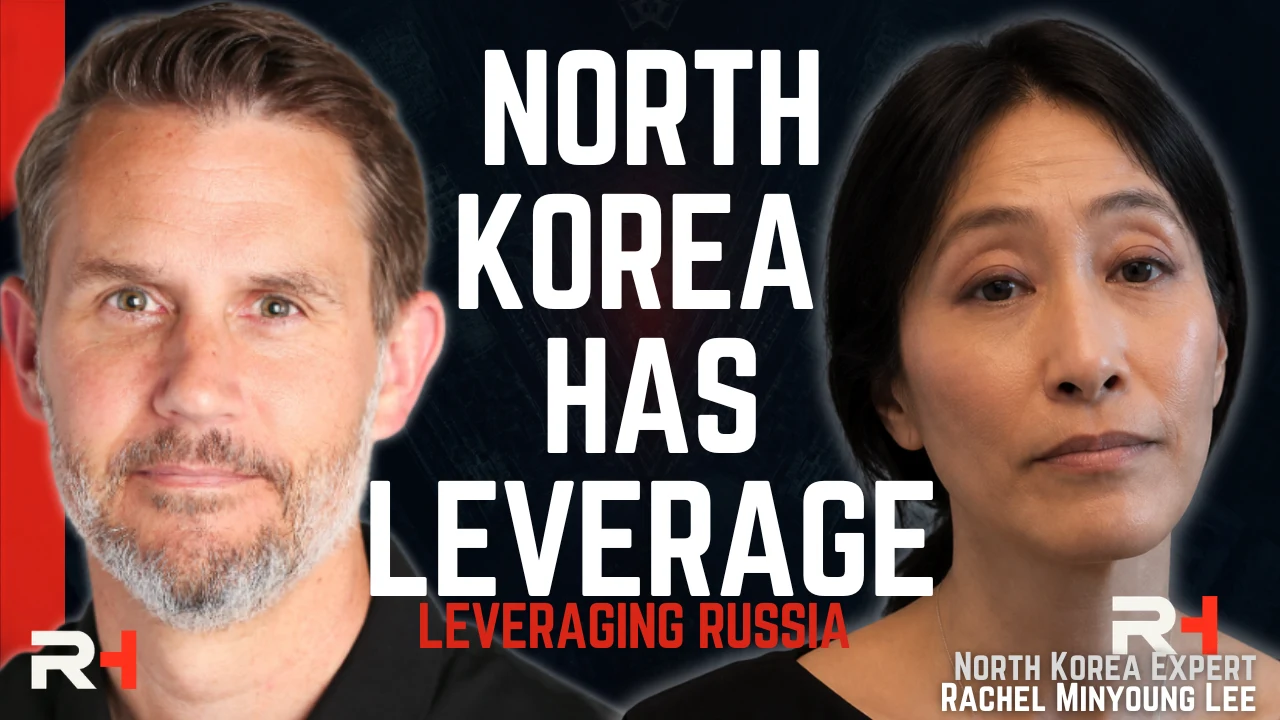
Rachel Minyoung Lee explains what changed since 2019, what Kim Jong Un wants from Trump, and why Russia has given Pyongyang a stronger hand.
Rachel Minyoung Lee / / 31 minutes
Start here
Three key takeaways
-
Kim enters any new talks with a stronger hand.
North Korea has a larger nuclear arsenal, political cover from Russia, improving ties with China, and more confidence than it had when Trump and Kim last met. Pyongyang no longer approaches diplomacy as the isolated party looking for rescue.
-
Russia has already changed North Korea's military position.
The clearest gains are economic relief, diplomatic protection, and battlefield experience. Rachel cautions against assuming nuclear technology transfers without evidence, but North Korean forces are learning about drones, command, and modern combat in real time.
-
A summit without a shared end state could increase the danger.
North Korea wants political recognition as a nuclear state. Official U.S. policy remains denuclearization. A meeting that produces a photograph but no agreement could leave Kim more emboldened and both sides more likely to misread the other.
Episode Field Guide
Explore this conversation.
The people, institutions, and equipment connected to this episode. In the conversation marks a direct mention; Related background adds context.
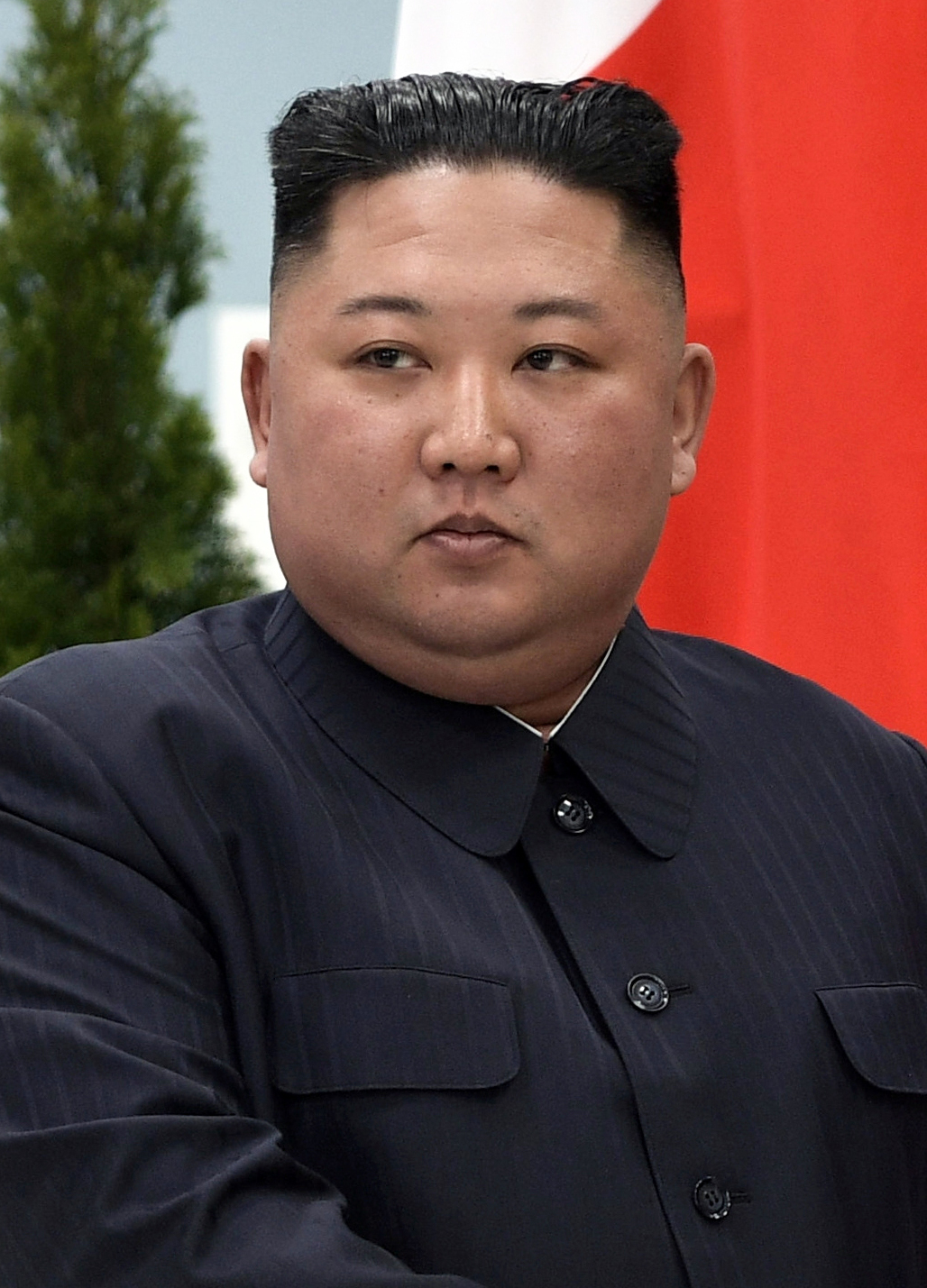
Kim Jong Un
Start with the dossier for the central figure in Lee’s analysis.
Image credit
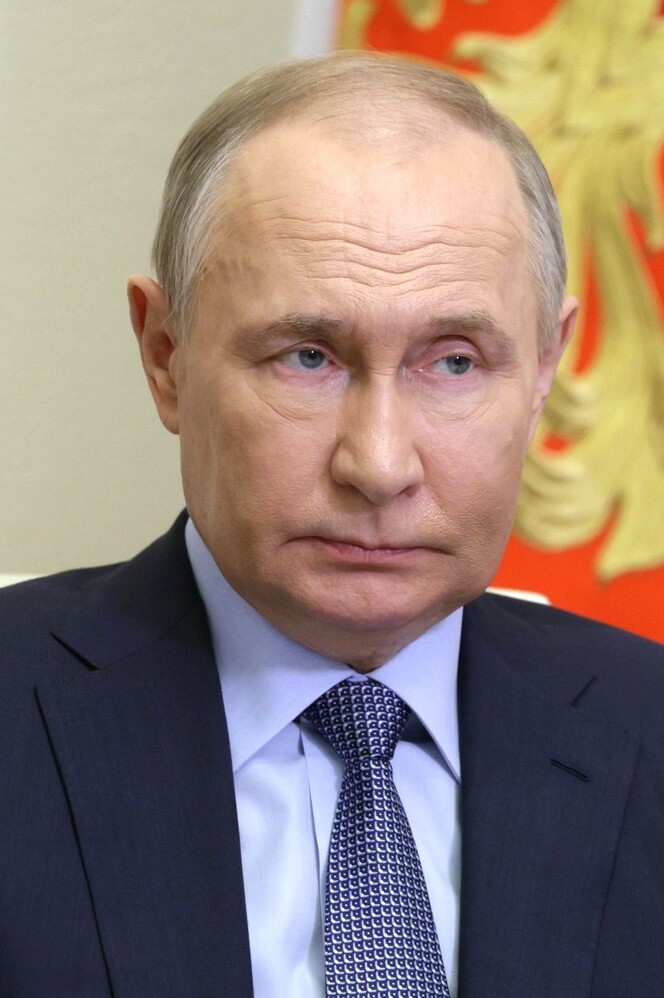
Vladimir Putin
Explore the Russian leader’s network alongside the discussion of Moscow’s relationship with Pyongyang.
Image credit
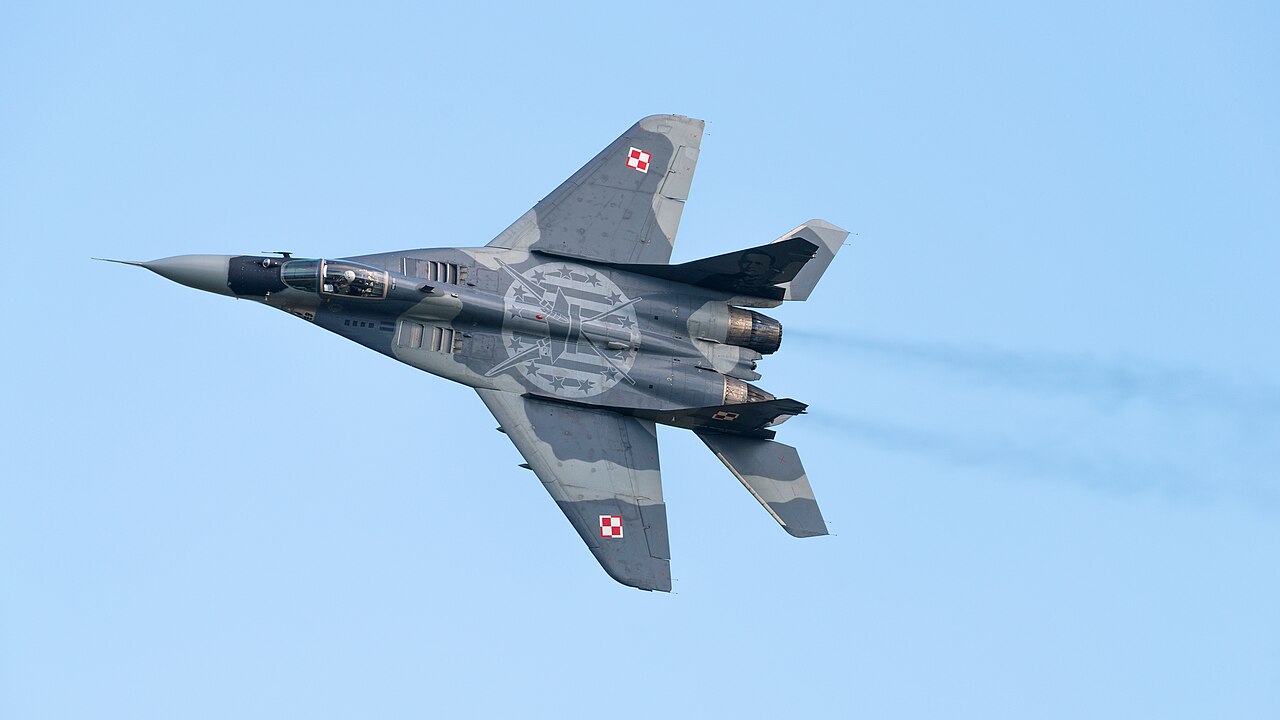
North Korea Arsenal
Background on selected North Korean systems. This guide does not establish which models Lee is referring to.
Image credit
These links are an RH reading guide, not guest endorsements or independent confirmation of every statement in the interview. Episode views reflect its publication date; linked records have their own source dates.
The written account
What the conversation covered
The easiest mistake to make with North Korea is to mistake volume for meaning. Pyongyang produces an enormous amount of official language, much of it repetitive by design. Rachel Minyoung Lee spent two decades inside the U.S. government's open-source enterprise learning how to find the small changes that matter.
That discipline shaped this conversation. Before asking what North Korea said, Rachel asked who said it, how senior that person was, and whether the message shifted from the regime's established line. The rank of the messenger can be more revealing than the rhetoric itself.
Reading the signal inside the propaganda
Rachel used the public discussion around Kim Jong Un's daughter as a useful warning. The name most people use for her has never been confirmed by North Korean state media. It entered the public record through Dennis Rodman's account of a 2013 visit. The anecdote may feel minor, but it captures a larger analytical problem: a detail can harden into accepted fact simply because it has been repeated often enough.
The same caution applies to political messages. When Kim Yo Jong responded to Trump's recent remarks, her status mattered. She is part of the ruling family and one of Kim Jong Un's most trusted public messengers. Her statement preserved room for a personal relationship with Trump while maintaining that U.S. policy toward North Korea remained hostile. Rachel read the wording as deliberate. The door was left open, but the price of walking through it had risen.
Why Trump still matters to Pyongyang
Trump remains unusual in North Korea's view because he is willing to deal directly with Kim and speak about him in personal terms. That gives Pyongyang a potential channel to the top of the U.S. system. It does not mean Kim is eager for another meeting on the terms Washington offered in 2018 or 2019.
Rachel's central point was that North Korea is negotiating from a different position now. Its nuclear and missile programs have advanced. Its relationship with Russia has deepened. Its ties with China are improving. The regime has also watched the conflict with Iran and drawn a familiar lesson: nuclear weapons are the ultimate insurance policy, and U.S. commitments can change quickly.
For Kim, the breakthrough would be political recognition of North Korea as a nuclear state, followed by a broader effort to normalize its place in the international system. For the United States, official policy still calls for denuclearization. That gap is the central obstacle. Small concessions, including adjustments to military exercises, are unlikely to satisfy a regime that believes its leverage has grown.
What Russia has already delivered
Much of the public debate focuses on what military technology Russia may have transferred to North Korea. Rachel urged restraint. There is open evidence for what North Korea has sent to Russia, but far less clarity about the most sensitive items moving in the other direction. It is reasonable to consider possible transfers of conventional or emerging military capabilities. Claims about nuclear technology require stronger evidence.
The benefits North Korea has already received are substantial. Arms sales have brought economic value. Moscow has provided political cover, including its move to end the United Nations panel that monitored North Korea sanctions. North Korean troops have also gained battlefield experience in an active war, including exposure to drones, command problems, and the pace of modern operations. That experience will return home with them.
Rachel made a sharp comparison: North Korea may now be ahead of South Korea in recent experience of modern land warfare. Hardware matters, but organizations also learn through losses, adaptation, and repetition. That kind of knowledge is difficult to measure and difficult to reverse.
China's leverage, and its limits
China remains North Korea's dominant economic partner and has obvious leverage. Rachel's argument was that Beijing is often unwilling to use enough of it to force a strategic change. China's priority is stability. It wants North Korea close, manageable, and inside its orbit. Pressure that might threaten the regime carries risks Beijing does not want.
North Korea understands that reluctance and has leverage of its own. China can influence tactical choices and economic conditions, but Kim has continued to make major nuclear and missile decisions independently. The relationship is less a story of control than of mutual constraint.
The danger after the photograph
Rachel put the odds of another Trump-Kim summit below ten percent, possibly below five. Trump may still see unfinished business and the possibility of a historic breakthrough. Kim may still value direct access to a U.S. president. The problem is that they appear to define success differently.
A failed summit now could be more destabilizing than the collapse of Hanoi in 2019. North Korea's threshold for returning to talks has gone up, while its confidence and military position have also grown. If either side treats a meeting as proof that the other is ready to concede, the period after the summit could carry more risk than the meeting itself.
The interview's most important warning is simple: Washington cannot plan for the North Korea it met seven years ago. Kim has more options, fewer reasons to hurry, and a clearer sense of what he wants in return.
Based on the Restricted Handling conversation published August 28, 2026. Views and forecasts reflect the discussion at that time. Original episode and show notes ↗
Full episodeRead the transcript
This transcript comes from the published episode captions, with spacing adjusted for reading. Names, punctuation, and terminology may contain transcription errors. Refer to the recording for exact wording.
Today on restricted handling. has been very confident, right? He's been emboldened in the last few years. And this is not North Korea in 2018, 2019 when Trump and Kim last met. and because of its military alliance with Russia and its improving ties with China, he doesn't really have a lot to gain by improving relations with the US. Mmm. Hello everyone. And welcome to another episode of the restricted handling podcast. Glenn is over in Eastern Europe doing God's work. You're stuck with just me, but we are very fortunate. We're going to be covering North Korea in detail today.
And we have Rachel Minyong Lee, who's a senior fellow at 38 North, which is a Stimson Center program that provides analysis and reporting on North Korea. The Stimson Center, as many of our listeners will know, is a highly regarded nonpartisan think tank. that's focused on international security. And before that, Rachel spent 20 years at my old stomping grounds as well, CIA's open source center analyzing North Korea's leadership, foreign policy and public messaging. She is absolutely one of the best at separating propaganda from real signals and how North Korea's relations intersect with those of China and Russia, which we're gonna dig into today.
And of course with the US. Rachel, thank you so much for doing this. Well, thank you for having me, Ryan, and thank you for the kind introduction. Absolutely, and very much warranted. Now, before we get into the serious topics, I wanted to ask, you've Kim Jong-un and North Korea for so long. Is there anything unusual or revealing about Kim Jong-un, this kind of strange character that you know from covering him that most of us aren't aware of? Well, I mean, if we're talking about interesting or odd, strange about Kim Jong, and I think the ~ the Western media have done such a great job of covering all those stories because I think those are the types of issues that draw people's attention to North Korea for better or worse.
but maybe this is a good opportunity to talk briefly about the daughter's name. And you know, there's a lot of interest, right? In in Kim Jong-un's daughter. the name Kim Jue is the one that's out there, you know, in public. We know her to be Kim Jue, but North Korean media have never confirmed her name. They have never mentioned her name. And so the name that we know, and the name that's out there, is based on US former basketball player Dennis Rodman's. ~ account of his visit to Pyongyang when back in 2013 and you know when he met with Kim and his family and of course the daughter.
And ~ yeah so it's based on ~ his account. So that was never officially confirmed by a North Korean media. So it could be something else. it could be a little bit different, right? The name. And we have a good sort of precedent for that because Kim Jong-un's name, for for a while, most people thought Kim Jong-un Kim Jong-un was actually Kim Jong-un, and not Kim Jong-un as we know it. And and of course, when North Korean media confirmed, you know, his name to be Kim Jong-un, we were like, wow, right, we got it all wrong, you know, for for all these years. And the name Kim Jong-un was based on ~ Kim Jong-il's sushi chef ~ book.
And you know, where he referred to him as Kim Jong-un. And, you know, it's a very Japanese pronunciation is k you Kim Jong un. And, you know, so we all thought it was Kim Jong un and then it was confirmed later that it was Kim Jong un. So, you know, just a little bit of a, you know, tidbit, if you will, ~ i i Interesting. You know, there's something about everything you mentioned that I think is worth noting for people who don't follow this as closely. Like you're very much mentioning North Korean media and your time at the Open Source Center. I think that's a little different than a lot of the CIA where you really are reliant on open source reporting because it's so hard to get access inside North Korea.
So you probably have to very carefully read what is being said in different areas, I assume. I mean, that was the name of the game, was you know, just basically ~ separating the the content or the substance ~ from from the noise. And you know, when you read North Korean, when you hear when you hear or read North Korean public messaging or propaganda, right? ~ 95% maybe, sometimes 99% of it is, you know, is is noise. And sometimes it just comes down to, you know, looking for that and and identifying that one gold nugget that that really matters. And sometimes it's not there, but sometimes it is.
Is there a particular person that you're listening for or looking for who's making statements within the regime administration somewhere that you feel like has a little more clout than others? Yes, and that's a very good question. and that's really actually the first element of the five diagnostic elements that we use to decipher North Korean public messaging. And so what you're referring to, Ryan, is the the first and the foremost element of those five elements. And it's called level, right? So the level of the messenger. who is saying what, right? So who is say saying saying it?
~ obviously Kim Jong-un. anything that he says, anything attributed to Kim Jong-un is the most important thing in the country. He can say something as silly as it is important to rabbit raise a lot of rabbits. And they do say that in in North Korean media, right? But that Thanks. would be the single most important thing in that whole entire article about raising rabbits. so definitely Kim Jong-un sits at the very top of ~ the hierarchy of of North Korean vehicles, and there are hundreds that they use, Mm-hmm. ~ a long list of official pronouncements, and then the media vehicles, right? So obviously Kim Jong-un, anything he says, ~ should get our utmost attention.
and then below him would be government statements, you know, statements from the party, and foreign ministry statements, of course, right? and then within the foreign ministry statements, Okay. you know, like even there, there you have the different hierarchies. Like, is it a foreign ministry statement, or is it a foreign ministry spokesperson's ~ press statement, Wow. you or is it a press you know, foreign ministry spokesperson giving an answer to a reporter? I wonder if we can use this to pivot into some recent comments from President Trump, because I'd be interested in how North Korea has responded.
So I can only imagine 10 days ago, give or take, President Trump made some comments, referred to North Korea as unthreatening and respectful, said joint exercises between the US and South Korea to signal that it's totally inappropriate and hostile, and then asked South Korea. Why are we involved in helping you? And this is obviously a reference to what's going on in Iran versus us positioning troops in South Korea. What was the response, if any, from North Korea? There was a response from North Korea eventually. three days after President Trump posted that on his truth social media truth social account, I guess. three days later, North Korea's ~ Kim so Kim Jong-un's sister Kim Yo-jong Hmm.
issued a stand on major international issues. ~ so just one brief note about Kim Yao jong, the sister, and I'm sure many of your viewers have probably heard about this famous or infamous sister because she's known for her very ~ caustic, sarcastic, sometimes a bit witty, ~ comments about the US and South Korea. her pronouncements are deemed to be highly authoritative. Because she is a member of the Kim family and we she is viewed as a gatekeeper to Kim Jong-un. so her stand on major international affairs was actually interesting because it began with it was the obvious hook was Trump's comments. But Turn.
instead of diving right into Trump's comments, she started with very broad international issues, the Middle East, the Russia-Ukraine war. and then she moved on to Northeast Asia, you know, just very criti heavily criticizing Japan, even threatening Japan, and then moving on to the Korean peninsula, and then towards the end, talking about or addressing or responding to Trump's comment. the interesting thing here is that she did not, she was, she was very careful, I would say. She was sarcastic. She said, I am not aware that Kim Jong-un and Trump talked. And if they did, that would be the one foreign affairs-related issue in North Korea that I did not know about.
That was what she said. So Hmm. that was her way of saying it did not happen. And the usual Kim Jong, Kim Yao Jong. comment on such an issue would have been much more caustic, you know, much more sarcastic. But I thought it was very toned down for something that, you know, for something for Kim Jong-un. Hmm. And so she did not flat out reject Trump's overtures. she did say that after she said that, that she was not aware of such a conversation or happening between Kim and Trump. She went on to say, It is true that Kim Jong-un and Trump have excellent personal relations, but that does not change the fact that the US continues to employ its quote unquote hostile policy.
And so that's gonna have to change Hmm. in order for things to be different. I mean, that's basically what she implied. And so, you know, this is very consistent with what North Korea has been saying. you know, the the messaging toward the Trump administration ~ that we have seen over the last, I would say, well, since ~ since Trump took office. Okay. And, you know, very hostile toward the United States, but watering it down when it comes to Trump. So it's like they have a dual track policy, one toward the United States government and then one toward Trump. So I think what we can take away here is that ~ Kim Jong-un knows that this is a golden opportunity for him.
That he if he is going to get anything out of a US president, then that's going to be President Trump. So he knows that it's a golden opportunity, but at the same time, and that's why they're not rejecting the talks or overtures, Hmm. right? So they're leaving that door slightly open. And I say slightly because the threshold for any future engagement between the US and North Korea remains. impossibly high in my opinion. And I say that because, you know, North Korea has been Kim Jong-un has been very confident, right? He's been emboldened in the last few years. And this is not North Korea in 2018, 2019 when Trump and Kim last met.
He and and because of its military alliance with Russia and its improving ties with China, he doesn't really have a lot to gain by improving relations with the US. Mmm. And of course it would be good to improve relations with the US because then you know other things come with it, right? Maybe integration into the international financial system if they can get some sanctions removed. but I don't North Korea's not gonna bend over backwards if you know what I mean. It's going to go for the lower hanging like if if you if it Yeah. can improve relations with the US by giving away little to nothing, then why not? And you know, I it is possible that they see Trump as willing Yeah. Wow.
to give some of that. And I think right now they're in a stage where they wanna test the waters to see how far they can push Trump. Because they can see from all of the social media postings. You know, just I think last night ~ he posted some more pictures from from the last time they met, whether it was from Singapore or Pamun Jong. so that's a very strong signal coming from President Trump. You know, he he really wants to meet with Kim Jong-un. And I think Kim Jong-un from where he sits, I think he is he has a big, you know, smile on his face, you know, if he's not laughing.
Wow. ~ because I think you know, from we he he has a lot more agency, he has a lot more leverage. you know, one one of the major headlines last week, Ryan, of course, as you know, is the curtailment and the downsizing of US South Korea joint military exercises. I think that was the first time in history where after a joint military exercise started, that that was ~ basically curtailed, right? It was a five day exercise. I think it was supposed to be like 10 day exercise and it was cut down to to to five, five days. And ~ Kimia Jong also referred to that in her ~ p pronouncement last week, saying, Yeah, we know that you did that, but you know, what's the big deal?
You know, the important thing for us is that you proceeded with it at all, Wow. that these exercises are even taking place at all. So if you want our position to change, if you want a different answer from us, you know, that's gotta change. So you can see how she's pushing him to get more, because North Korea now wants recognition of its nuclear status. pul probably political recognition versus legal recognition. Hmm. ~ but even political recognition, you know, would be a big deal because then that would pave the road for a lot more things like improving ties with the US, you know, possibly dropping sanctions.
And then what else does it mean? You know, investments going into North Korea, you know, again, inner integration, possibly integration into the international financial system. So, you know, it it it it really opens the door for a lot of those things. No, this is great. I might take this opportunity because these statements, I think, from Trump, you know, 10 days ago came out largely because of South Korea's reluctance to maybe support Iran. How has North Korea, if at all, benefited from the conflict in Iran? And maybe it's nothing beyond just this statement recently.
~ direct benefit? No, but I think it what's going on in Iran, the US handling of Iran, I think all of that has probably reinforced Kim Jong-un's thinking that we were right to tighten our belts. That's an expression they like to use. ~ Mm. and ~ despite the economic challenges, What does that mean, tighten their belts when they say that? tighten our belts meaning investing. in national defense at the expense of the civilian economy, at the expense of the people's livelihoods. That's what they mean by t tightening our belts. So despite yes, we had to tighten our belts for a very long time, but we were right to do that. I think that's going to reinforce that that Iran has reinforced that thinking in Kim Jonglins might also, just as importantly I think, that also what's going on in Iran, you know, US Israeli strikes on Iran.
probably re not probably have reinforced Kim Jong-un's thinking about the US, you North Korea's thinking about the US, which is that, and this is not me saying it, but borrowing North Korea's words, that the US is unreliable Mm. actor on the global stage, that it's disruptive, and that it is a terrorist, that it's, you know, upsetting the global order. And again, these are not my words. borrowing Kim Jong-un's words and some of their Okay. official statements. Yeah. So, you know, I mean, North Korea's trust in the US, whatever level of trust we're talking about, basically really just disappeared after the well, not completely disappeared after the Hanoi summit, which collapsed in February 2019, you know, because Kim Jong-un and Trump did meet in, you know, at the end of June in twenty nineteen.
So I think Kim Jong-un was at that time willing to give it another shot. but he North Korea did also say that they expected a different US policy by year's end in twenty nineteen and that never happened. Hmm And you know, and then COVID came and you know, they stopped, ~ they locked down their borders and all of it. So yeah, I mean, you know, whatever trust North Korea had before in the US, ~ I think that went down even further because of And you had mentioned earlier with relations with Russia, mean, North Korea has sent troops, munitions to this war in Ukraine.
There's reporting that they've received Russian, maybe technology or training. How important has this been for Kim and what is North Korea really getting in return here? So I I do think we need to be careful, right? I I there's so much spec speculation out there, Ryan, as you know, about what North Korea may be, and I think this is the important word, like maybe getting from Russia. ~ I think Thank there is a lot of open source evidence about North Korea, you know, getting well what what North Korea is sending to Russia, we there is a lot of open source evidence of.
There isn't as much open source evidence in terms of what North Korea may be getting from Russia. We think that w North Korea's benefited economically by bolstering its relationship with Russia. ~ and I say this because North Korea's economic growth You coincided with its improving relations around the time that it started to improve relations with Russia around the time. That it started to ~ export weapons to Russia. You So we think that definitely there has been economic, there have been economic benefits. Political cover. We should remember that Russia is the one that shut down the UN panel of experts on North Korea, was the monitoring body within the United Nations for monitoring sanctions enforcement.
And calling out member states for ~ violating sanctions, you know, helping North Korea. That was shut down by Russia in March 2024. Hmm. So we don't really have a a UN mandated ~ neutral body that ~ oversees that, right? And ~ So political cover. And of course Russia being one of the P5 states, you know, they can veto anything, whereas, you know, the Chinese may be a little bit ambivalent. so that's the political ~ cover. And I think military, you know, that's a hard one because again, open source reporting, we don't really know, right, in the open source space, like what North Korea is getting exactly from the Russians.
Some people think that, you know, it could be ~ it could be something as sensitive as nuclear technology, you know, ~ sensitive Mm-hmm. missile technology. I don't even think we have to go that far, Ryan. I think the fact that North Korea has sent troops. And that they have been for the last one and a half years, close to two years now, been taking notes on the field, you know, on the battle on the battlefield. Yeah, it's valuable. Yeah, ~ taking notes, the commanders, you know, who who you know a lot of people died, but you know, a lot of people also made it back.
So ~ Mm-hmm. the lessons learned, right, in terms of how your modern w war warfare is fought, right? How these different weapon systems are used, especially drones. Yeah. Right. drone warfare, how those are ~ you know, used, you know, how you use people on the battlefield, right? Versus what like all of those things are valuable as lessons learned. And you know, North Korea's far ahead of South Korea when it comes to actually having had that, having that battlefield, like real war warfare experience. South Korea has not It's invaluable. had that since the what since what Vietnam War?
Yeah. And that I find to be very concerning. Also, Kim Jong-un Yeah. has been talking of late a lot about modernizing conventional capabilities. I think it is quite possible. To think that maybe the Russians are giving North Korea more on the conventional capabilities side, maybe more on the emerging capabilities side than the nuclear side. And you mentioned China, Rachel. So I just wanted to jump into this. There's speculation that Trump and she will meet in September, maybe late September. It's been referenced, but nothing's, I think, necessarily written down in stone yet.
But if they met, is North Korea something that you expect would come up in such a meeting, or is it not quite high level enough? Well, I mean, according to the US joint fact sheets, in on the Trump Xi summit in May, right, the Korean Peninsula was discussed. and that according to the US fac joint fact sheets, Trump and Xi agreed to work together to solve the Korean Peninsula. I don't r remember the exact wording, but you know, there was something about making c joint efforts to, you know, solve the Korean Peninsula Okay. issue. I think it w I I would I would suspect that that issue will come up, especially given the fact that Trump now has this renewed interest in meeting with with Kim.
in terms of what role China may play, though, right? I do not expect Beijing to play a constructive role. I just don't think there is much in it for China at the moment. I think right now China is more interested in managing North Korea. You know, we have seen some high-level Chinese officials visiting ~ North Korea since April 2026, and that it was not out of love for North Korea. You know, that Just me. you know, we know that there is no love lost between North Korea and China. They don't like each other, right? but you know, they try to get along. And you know, China China's courting North Korea because it wants to manage the relationship. It's about managing the relationship, it's making sure that North Korea doesn't stray too far from the Chinese orbit.
You know, that that's what this is about. Which we're kind of seeing with Russia, right? I mean, how close Kim is getting to Putin and Russia. Yeah, yeah. And doesn't North Korea give China leverage with the US at all, Rachel? I would assume being able to help steer North Korean decisions can be useful for Beijing. This that's an interesting question, Ryan. And I think depending on who you ask, they'll say different things about. This is basically Chinese leverage or influence, right? Over over I guess that's how I would think of it. What do you think of that? I think China has influence, though less than before.
And I think China also has leverage, but the important thing here is that whatever influence and leverage China has, it is not willing to use. Because there are things that they can do. Because we're talking about North Korea, China. trade level North Korea 90% of North Korea more than 90% of North Korea's trade is with China. So China basically holds North Korea's purse springs. It Good point. heavily as as as very much to Kim Jong-un's dislike, North Korea still remains heavily reliant on China on the economic side. So there are things that Beijing can do. That it is not willing to do because it does not want to destabilize North Korea.
Okay. Hmm That's that's really the number one reason. It you know, North Korea China's number one foreign policy is stability. Right? Foreign stability in Northeast Asia, right? Stability along the China-North Korea border. stability in the you know in in its northeastern provinces. that's that's one of its ~ chop top ~ foreign policy priorities. And so, you know, China definitely does not want to do anything to destabilize North Korea. And that's North Korea's leverage, too, over China, right? We we tend to think, Mm. well, China is so much, you know, bigger, you know, it's so much stronger, you know, so much wealthier than North Korea, you know. So they think it's like this one-sided relationship, but it really isn't. And, you know, if we go back to the question of how much influence China actually has over North Korea, right?
Maybe not as much as we think. I'm not saying that they don't have any, but maybe not as much as we think. If we think about how North Korea continued to develop nuclear weapons and missiles, China didn't want that. But they did, you know, so that brings up the question Thank of how much influence does Beijing actually have on North Korea. And I think, you know, for North Korea on North Korea's part, any strategic decision. Is not going to be, they're not going to take China into account. Maybe they'll listen to Beijing, you know, if Beijing, you know, And we'll go to the next slide.
towels North Korea. Can you please hold off on raising doing anything to raise tensions, you know, at maybe at this time, right? Maybe they'll listen to Beijing for something like that, you know, for something more tactical, but for any strategic decisions concerning nuclear development or missile development. I think China has little to no limp influence. Otherwise, I don't think North Korea would be what it is today. I don't think they would have developed nuclear weapons because that China could have stopped it. is not what China wanted. Why do you think Trump wants to meet Kim so badly?
And how, you know, we talk about polymarkets sometimes, we're not giving financial advice here, anybody. This is just kind of what's been swirling. There's a 13 % chance, according to some of the polymarkets, with a couple hundred grand on the line, that... Trump will visit North Korea before the end of this year. What would you put that likelihood at and why is Trump so set on or why do you think he might be interested in doing that? Put that probability at maybe less than 10% or maybe even less than five. ~ Yeah. because just because of the reasons I cited before about the high threshold, you know, Kim Jong-un and the US probably wanting different things.
I think for Trump, I think he's always had this fascination for Kim Jong-un. Right. I think I I really do think that they have bromance. Even North Korea's not denying it. You know, I think they have rapport, you know, personal rapport, you know, Yeah. bromance. I I don't think we can deny that. and Trump, I think for Trump, it's several things. I think Trump, first of all, for North Korea, it fascination with North Korea, number one. Number two, North Korea's unfinished business. In his mind, he got close to having a deal with North Korea, you know, for this major diplomatic breakthrough.
And it didn't happen in Hanoi in 2019. he met with Kim Jong-un again in Pam Munjam in June 2019. Nothing came out of that. ~ so I think he wants to get back to it because un it's unfinished business. and maybe a third reason is that there really have been no major diplomatic breakthroughs for Trump, right? I mean he the war in Ukraine continues to to to ~ continues. ~ the any breakthrough with Iran doesn't seem to be in sight, ~ not in the near future. And so, you know, what's the next big diplomatic event? I'm trying not to use the word spectacle here. What would that breakthrough be for North Korea, US? What would that political breakthrough represent, tactically?
I think for North Korea it's political recognition from Okay. President Trump of its nuclear status. And I think quite frankly, Ryan, And then what has Trump did in return? I don't know what what a breakthrough means for Trump. I think and I think Yes, that's it. I'm trying hard to understand what that would be for us. Yeah. And I think that is I I think in some ways that is the core of the issue here is I don't know what the end goal would be for the US and whether that is the same as what President Trump may be thinking. Because I always felt like with North Korea there have been, you know, there is President Trump sort of policy on North Korea, and then there is a US government policy on North Korea.
And you know, denuclearization is the clearest example that I can think of. US government stance right now, formally, the official policy on North Korea is denuclearization of North Korea. That is the official, as far as I know, remains the US government position on on on the North Korean nuclear issue. With President Trump. Just the other day, a reporter asked him, Will you be talking about denuclearization with North Korea? And he said, I don't want to talk about denuclearization. I don't want to talk about that. He didn't want to answer Hmm that question. And then, you know, this came on the heels of him saying North Korea has 57 powerful nuclear weapons.
A lot of people thought, I don't know why he gave that number, I don't know where that number comes from. and I d ~ but regardless of his intentions when he said that, A lot of people, especially in South Korea, took that to mean, he recognizes North Korea as a nuclear state. Otherwise, why would he talk about North Korea's weapons that way? Like why would he give a specific number? Again, we don't know why he said that. Maybe he didn't mean anything by it. But that is the message that a lot of people, especially in Seoul, took away. Because last time Kim Jong-un and Trump met in Pan Manjong in June 2019, Kim Jong-un thought that the US was going to suspend joint exercises with South Korea. But two weeks later, the exercises went ahead as planned, and he became very upset. Now that was Hmm Kim Jong un and North Korea in twenty nineteen.
Kim Jong un and North Korea, a disappointed Kim Jong un a disappointed North Korea, an angry North Korea, an angry Kim Jong un in twenty twenty six may respond differently. Hmm. ~ you know, we talked about an in bold in Kim Jong-un, and you know, I have to say, I think the threshold for conflict has actually gone down. You know, we talked about the threshold for US North Korea engagement going way up. I think because North Korea finds itself to be much more powerful. you know, in twenty twenty six, Kim Jong un feeling so emboldened, with an improved economy, with its, you know, Russia basically having its back, you know, improving ties with, you know, China, the Chinese and the North Koreans ~ you know, agree to you know, have closer, you know, policy coordination.
~ you know, so you know, if the summit, if they were to meet again, Kim and Trump. And the summit from North Korea's point of view didn't go well at all. And it turned out to be another photo op for President Trump, and North Korea has gotten nothing in return. You know, is it is it going to escalate tensions? You know, is it going to do more? I mean, is is it going to like ~ are we talking about possibly a military conflict, even a limited one? I mean, I, you know, there there's really no telling. I think I think the risk for miscalculation and misjudgment on North Korea's ~ part has really ~ gone up.
if North Korea doesn't think that the US is going to come to South Korea's aid right away. If should there be any conflict on the Korean peninsula, then w I think we're talking about a huge problem. I'm leaving this discussion surprised at how much leverage Kim has now, which is super interesting. Thank you so much, Rachel. I hope we didn't scare you away. I would love to have you back on, especially with Glenn. I would love for you two to talk Russia, North Korea. I would love that and thank you again for having me. This was fun.
Back to the Episode Field Guide ↑Keep listening.
All episodes →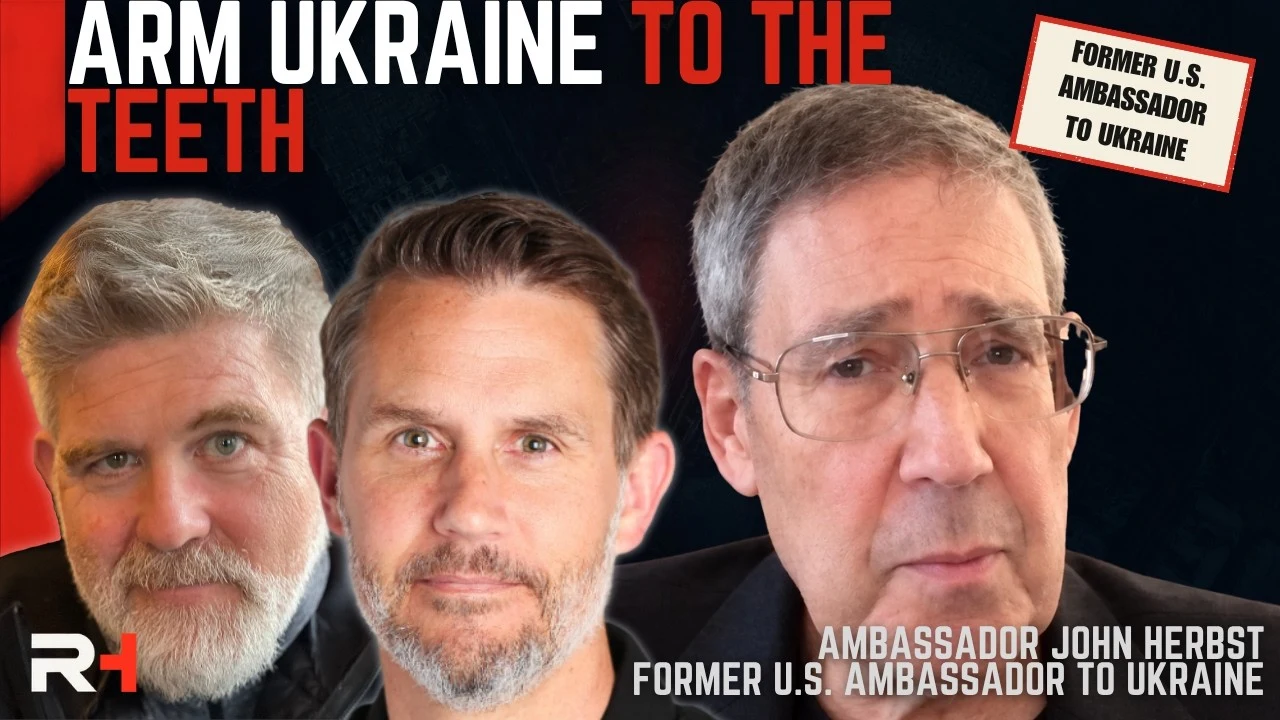
John Herbst / Ukraine and U.S. strategy
John Herbst on Arming Ukraine and Raising the Cost of Russia’s War
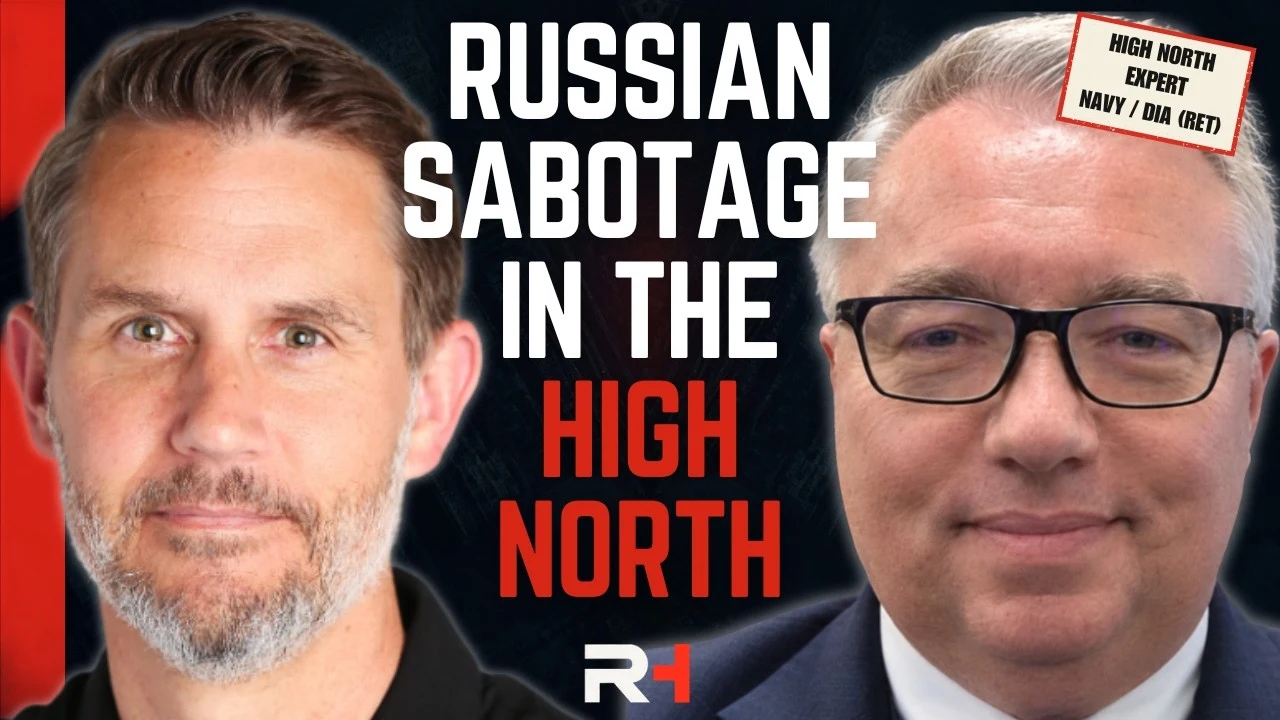
Steve Wills / The Arctic and maritime security
Steve Wills on Russia’s Arctic Submarines and the Cables Beneath the Sea
Between episodes
The daily brief is free.
Russia, China, Iran, and North Korea. Straight to your inbox.