Armenia's Bet on American Investment
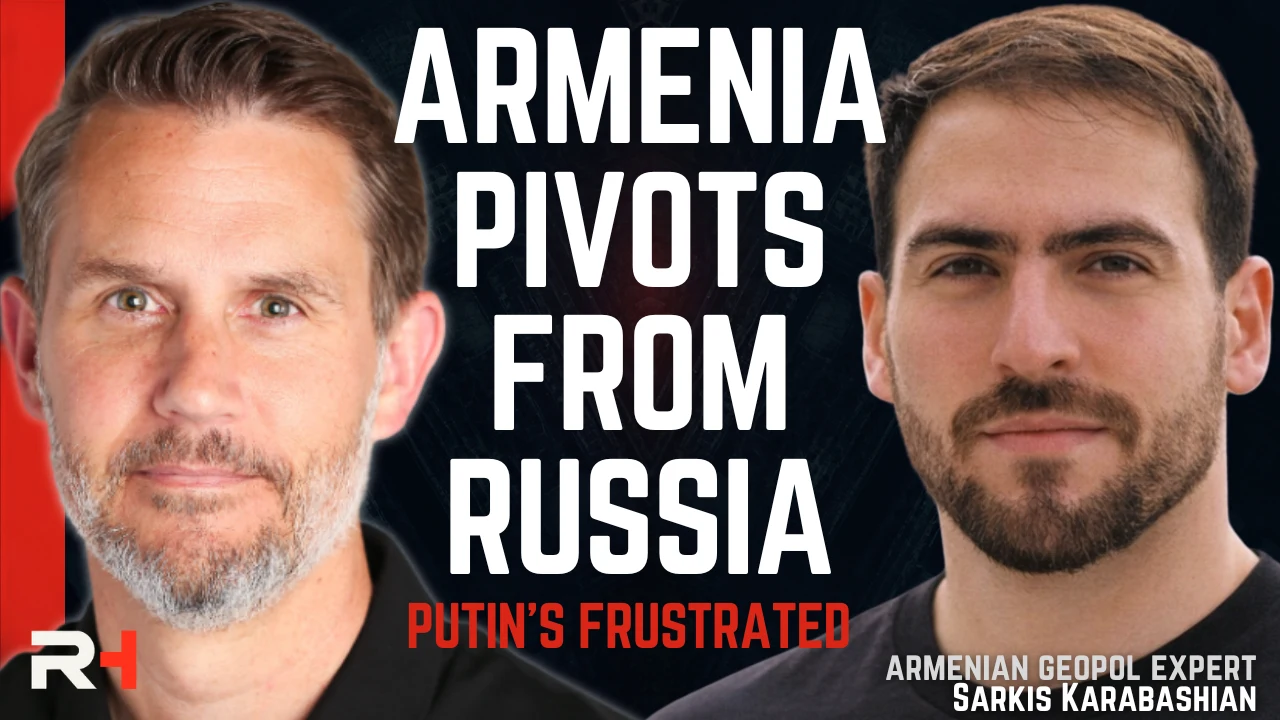
Sarkis Karabashian returns from the region with a look at Armenia's U.S. partnership, Russia's remaining pressure points, and the commercial projects meant to make peace worth protecting.
Sarkis Karabashian / / 35 minutes
Start here
Three key takeaways
-
Closer U.S. ties do not amount to a defense guarantee.
Sarkis describes an Armenia trying to build its own security capabilities while bringing in Western training, technology, and investment. American commercial interests may raise the cost of instability, but they do not replace Armenia's responsibility for its defense.
-
Russia still has ways to make the pivot expensive.
Gas supplies and access to the Russian market remain important vulnerabilities. Sarkis describes trade restrictions that hit Armenian producers and argues that economic dependence gives Moscow political leverage.
-
The regional connections are the bigger bet.
The TRIPP route, AI infrastructure, and proposed links with Kazakhstan are intended to give neighbors a stake in cooperation. Their promise depends on execution, as well as unresolved political questions between Armenia and Azerbaijan.
Episode Field Guide
Explore this conversation.
The people, institutions, and equipment connected to this episode. In the conversation marks a direct mention; Related background adds context.
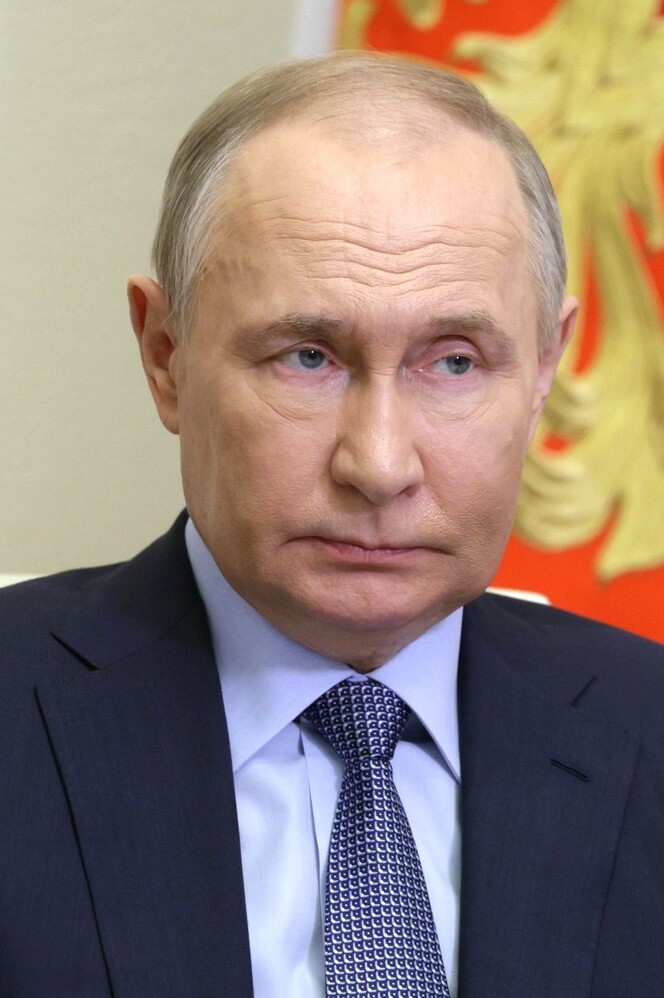
Vladimir Putin
The conversation discusses Armenia’s greater autonomy from Moscow.
Image credit
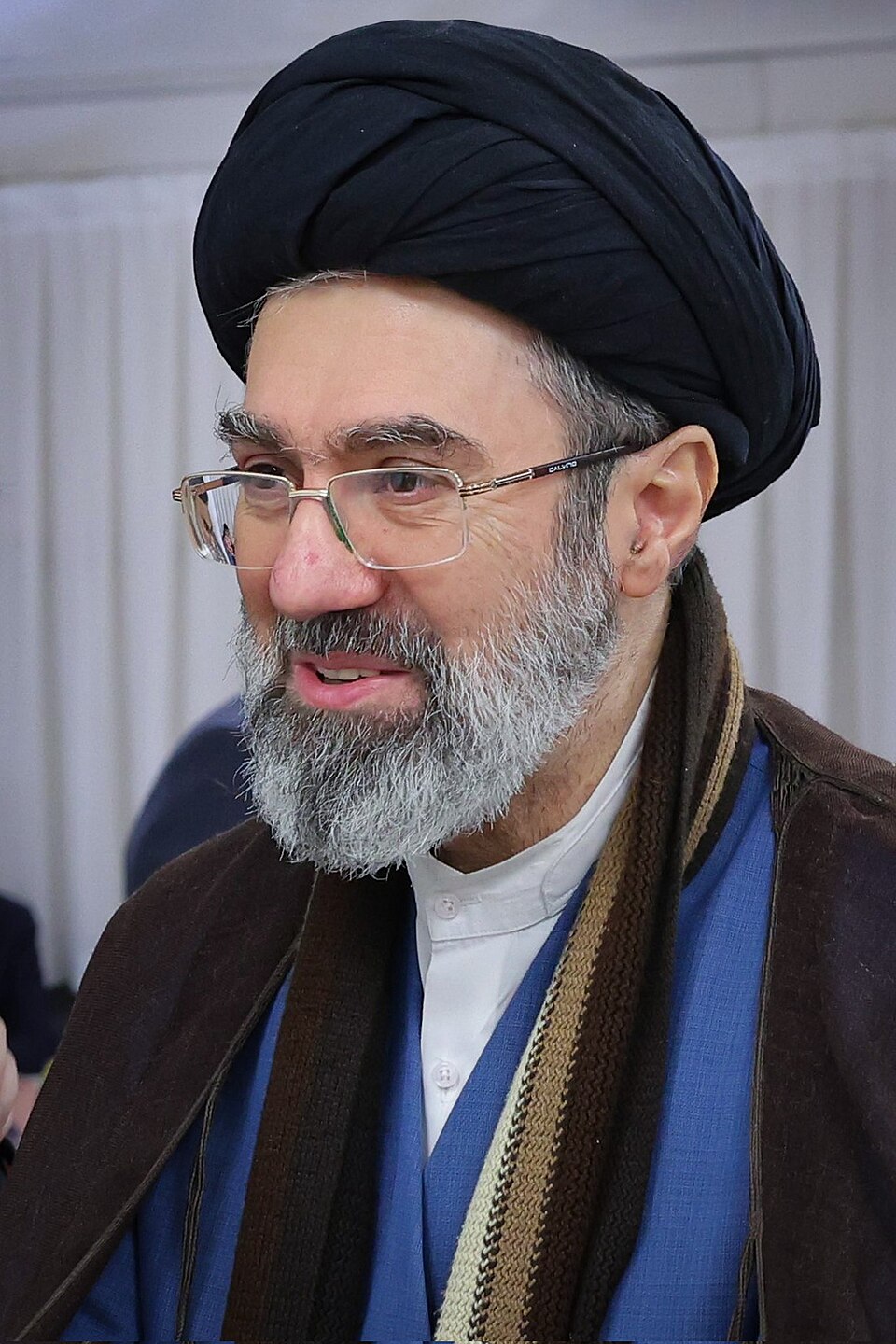
Iran Power Network
Background on Iran’s leadership network for the discussion of Armenia’s regional balancing.
Image credit
These links are an RH reading guide, not guest endorsements or independent confirmation of every statement in the interview. Episode views reflect its publication date; linked records have their own source dates.
The written account
What the conversation covered
Five months after his previous appearance, Sarkis Karabashian returned to a conversation that had moved a long way. Armenia had held an election, deepened its partnership with Washington, and put major commercial projects at the center of its foreign policy. Ryan wanted to know whether people in the country could actually feel the difference.
Sarkis said they could. After years of insecurity, the prospect of stability mattered. He cautioned against reading the election simply as affection for Prime Minister Nikol Pashinyan. In his telling, many voters were choosing a direction for the country and rejecting a return to the old political order.
Security without a blank check
The U.S. partnership is significant, but Ryan kept returning to an important limit: Armenia had not received an automatic American security guarantee. Sarkis described the broader effort as an attempt to build sovereign capability after years of reliance on Russia. That includes changes in military training, leadership, and domestic defense production.
Alongside that effort sits a commercial argument. If American companies build valuable infrastructure in Armenia, Washington has more reason to care about its security. Sarkis pointed to Firebird's AI infrastructure plans and nuclear-energy cooperation as examples of the approach. Those investments can create interests worth defending. They cannot, by themselves, guarantee what another government will do in a crisis.
What TRIPP is supposed to change
The Trump Route for International Peace and Prosperity, or TRIPP, runs through a small but consequential stretch of Armenian territory between Azerbaijan and its Nakhchivan exclave. Ryan and Sarkis discussed the planned American-majority commercial arrangement and the hope that it ties regional stability to a durable U.S. interest.
Sarkis had heard little hostility toward the route during his travels. His broader point was that it should be understood alongside other connections: transport, energy, data centers, and fiber. He described proposed links between Armenia and Kazakhstan through the Caspian region as another way for countries to develop relationships that do not depend entirely on Moscow. Much of that promise still rests on projects being delivered.
Moscow's leverage has not disappeared
Russia still supplies energy Armenia needs and buys goods Armenian businesses need to sell. Sarkis described restrictions affecting products from sparkling water to alcohol and fish. For producers whose livelihoods depend on that market, the pressure is immediate. In his assessment, those commercial ties also give Moscow a way to influence Armenian politics.
Diversifying energy supplies and export markets takes time. Ryan noted that Russia has constraints of its own, including a war and a need for revenue. The result is an uneven contest: Armenia is finding more room to maneuver while still paying for dependencies it cannot quickly remove.
A neighborhood that demands careful balancing
Sarkis pushed back on the shorthand that Armenia and Iran are simply close friends. Geography, trade access, and limited alternatives shape the relationship. He argued that both Washington and Tehran understand Armenia's position, while Iran needs reassurance that the new route will not become a platform against it.
The discussion also covered Azerbaijan's demand for changes to Armenia's constitution before a final peace agreement. Sarkis described the political difficulty of meeting an adversary's demand through Armenia's own democratic process. A transport project does not make that dispute disappear.
The phrase that stayed with Ryan was corporate diplomacy. Sarkis recalled Armenia's ambassador to Washington identifying commercial ties as a central goal. The bet is that businesses, infrastructure, and jobs can help turn diplomatic attention into something that survives the next news cycle.
Based on the Restricted Handling conversation published August 22, 2026. Views and forecasts reflect the discussion at that time. Original episode and show notes ↗
Full episodeRead the transcript
This transcript comes from the published episode captions, with spacing adjusted for reading. Names, punctuation, and terminology may contain transcription errors. Refer to the recording for exact wording.
Today on Restricted Handling. Armenia and Iran, a lot of people paint them as like brother countries or super close. Armenia knows exactly the beast that exists under it. They're very aware it's a mixed relationship with very mixed sentiments. Hello everyone and welcome to another episode of the Restricted Handling Podcast. Glenn is out doing God's work in Eastern Europe right now. So you're stuck with just me, but we do have Sarkis back on, fortunately, been on five months ago, and a ton has happened in Armenia. We're gonna talk Armenia, Russia, the region, probably a little Iran, of course. but just to recap a few of the things that happened.
Pashinyan survived a pro-Russian electoral challenge. With what we believe to be alleged Russian interference, which is no surprise. They had a sweeping partnership signed with Washington. They agreed to the US-controlled TRIPP company. But Armenia still does get a lot of its gas from Russia, hosts a Russian military base. There aren't any American security guarantees written in stone into these agreements necessarily. And it still sits in a very contentious region separated by Georgia to Russia and then. borders Turkey, Iran, Azerbaijan, not the easiest neighborhood to live in these days.
But we're so glad to have you back, Sarkis. I know you've been traveling in the region. I would love to get your take of what it was like. Did change feel like it was in the air at all? Did could you feel this excitement or or all the activity when you were there? Yeah, I would say the the general sentiment and like aura, if you will, in the air is that Armenians have some stability for the next six years. not only politically, but for the first time like ever in the country's history within the past year there's been no like cross-border incidents or soldiers killed.
from non-friendly fire. So that's a that's a big step and that's something that is absolutely felt by people. There's still a little bit, depending who you ask, of mixed sentiments on the Pashinyan regime. But what I am sensing is that people didn't vote for Pashinyan because they love him. They voted for him because he was the only option in a suite of ranging from ridiculous because you had Spider-Man running this election. If you're paying attention to it, it's very funny. Is that right? Yeah. Bolorin Dem Em was the name of the the party. And so you can look it up, it's quite funny.
But which means I am against everyone. but then there's the other side of the scale, which was like the mo the strongest contenders for the election were former Presidents Serzh Sargsyan and Robert Kocharyan running, who were absolutely backed by Russia. And and Gagik Tsarukyan. these three they had a lot of investments in the country where a lot of people's jobs depended on it. And from friends in the region and friends in the country, a lot of them were saying their friends and family were voting for those people because their jobs depended on it. so People were voting when they voted for Pashinyan, they were voting for a for continued progress and future trajectory away from the brutal so post Soviet past.
I hope it pissed Putin off so much. I loved seeing this happen. Yeah. Like the last five months, I think it'd been great and a great signal for other countries in the region that want a little more autonomy away from Russia, I would say. I'd absolutely agree. I would say that you can see this in the posture and events surrounding the EAEU conversation, which is the Eurasian Economic Union. It's basically the re that region's Russian founded EU. So for the in the past six months, you've seen the EAEU summit demand prior to the election, they demand the Pashinyan regime hold a referendum on the EU and they're trying to force, I'd say, some political action ahead of the election for their own purposes and stirring the pot.
what's interesting is since this conversation has it's definitely escalated. Armenian exports to Russia have been banned in different ways, everything ranging from Armenia's delicious sparkling water called Jermuk to dairy products, to alcohol, to honey, being not sanitary or good enough to Russian standards. And they've been doing this because Russia knows that it's thirty-five percent of Armenia's export volume. And so they're doing this to hurt Armenia while Armenia is simultaneously pursuing EU accession or basic essential thank you. Essentially, yeah. Yeah. Yeah.
So they're looking to access the EU market and but they're not looking to end the EAEU agreement. so Russia's made it very clear that Armenia has to choose one or the other. And I feel like they successfully remove themselves, Armenia, from Russia's orbit a bit. Now they didn't get a security guarantee, right? So if we talk about the comprehensive strategic partnership, what do you how what do you assess that that Armenia got out of that Yeah. When you look at the tenets, like the core tenets of the Armenia US strategic partnership, you can find a lot of information about all of the core tenets except the security cooperation part.
Which is very interesting. I would say that Armenia is focused on developing its own sovereign capabilities to defend and maintain its national security. That's like the the whole vision that I've gotten from government and society alike, because the former national security apparatus was Russia. You could find Russian border security, Russian bases, Russian TSA at their airport. through pretty much the internal security service called the NSS, all of their agents trained in Moscow. likely on many are likely on or were likely on Russian payroll. And now you're finally seeing the flowers bud and start to bloom.
you're seeing a complete change in Armenia's military leadership, the way it's structured. I've run into literally on the road to Lake Sevan, I ran into a American service member who was there training, and they he was like in complete happenstance. I saw this guy while I was grabbing a a perashki at a roadside like rest stop and I said, So you from Kansas or somewhere else? And he's You're American? I was Yeah, I'm American. And we started talking and he he told me, he's like, Yeah, we were really excited because we just inducted our first set of officers that we trained in this non commissioned officer style.
And then also Armenia is developing its own defense industrial base. there are companies that are creating different types of C2 systems, drone systems like everyone else's, but Yep. and then also AI I would put into the like umbrella of sensitive objects. I don't think well I I know that this data center specifically It brings security to Armenia because it's such a strategically valuable object. getting back Sarkis, can you talk about the data center just for people? yeah, what guarantees Armenia security right now is the Armenian sovereign sovereign republic of Armenia. They're trying to take it on as much as they can with support from Western partners that I've mentioned.
On top of that, you have strategic investments that come with Western interest. So one of the strategic investments that has gone into Armenia is the Firebird Data Center, or more accurately described as a AI factory. And so I was at the I was at the grand opening for this a few weeks ago, and Jensen Huang made a a statement. One of the President Trump's administration leaders on this project was also there or digitally giving comments, but then you had the Deputy Prime Minister of Kazakhstan speaking, as well as the other founders of Firebird and government if Armenian government officials officially present.
This data center is a four billion dollar project. 500 million dollars of capital is already invested and it is meant to be linked to another data center, also a Firebird data center in Kazakhstan. And To create this regional AI, I would call it AI gravity. Because all these other countries around, if they want compute to be able to build their own AI applications or run on AI, they're going to have to approach these two countries for compute. And there's going to be a fiber optic cable connecting the two via the Caspian Sea. Projected by end of 2026. I tell people, Armenians, Americans alike, this is for the region.
the most strategically valuable object that exists. Like I would argue over a nuclear plant, but the nuclear plant is symbiotic with it because they they need that. And that's also coming via a US agreement. I forget what date, but if within the past six months you also saw Vice President Vance visit Armenia. And he confirmed the ongoing process of the 123 Agreement, nuclear agreement. Which is in process for small modular reactors to be sold to Armenia and maintained. And that's a five billion plus four billion dollar deal as well. So billions are flying, the money machine is going burr, and and so these are the pieces of critical infrastructure I would say are guaranteeing Armenia's security.
And then another thing too is American attention via these items, but also in general. This peace project is Trump's like it's Trump's baby and one of the babies he has. And he wants to be known as the president of peace. And so I think what guarantees Armenia peace in the next five to ten years is not only these investments, but also the the in the immediate term. the interest that this administration has in locking down the TRIPP corridor or TRIPP route, as some people prefer to call it. for people who aren't familiar with what TRIPP is, right? So this is a effectively like an infrastructure logistical corridor that runs from Azerbaijan to Nakhchivan, if I'm pronouncing that correctly.
Nakhchivan, yeah. Nakhchivan through Armenia. And so it ties the countries together, but it's also got Trump's name as the T in TRIPP, right? So it very much is anchoring the US. Mm-hmm. into this arrangement between two neighbors that have had contentious history. So that's great. I think This company set up so 74% No. No. American owned, the remainder is Armenian owned. 49 year arrangement between the two countries. Do you get the feeling seventy-four percent US, you know, the remainder Armenian? It are there hard feelings there? Is this feels like a good thing in Armenia on the ground?
I haven't heard much negative sentiment on the TRIPP route. I think from everything I've heard Armenians talk about, they welcome the stability. Like Armenia is a country that's had zero stability since it became independent in 1991. So like from what I hear. There's a general positive, if at worst, neutral sentiment towards it. The 74% American ownership. So there's a caveat. If you look at the State Department's write-up on this, it's for 49 years. And then if Armenia decides to continue the lease for another 49 years, they get 49% ownership of it. So America or the United States of America holds like even in the long term, a majority, technically a majority stake.
And I think you're right that it does create US interest in the region so that bad actors around know that if they mess with this thing, then they're going to get in trouble or they're going to have problems with not only Armenia, but the United States. So I think it's a long term strategic play, and it's not the for only one. Yeah. And President Trump Trump's spokesman for it that I mentioned previously, he mentioned that this is just the first, like the vision Yeah. is to fund and be involved with Armenia's infrastructure build out of connecting the region and making money off this.
And that is a reflection of Trump's foreign policy philosophy, which is the US should not be giving out aid, it should be giving out investment and you do business diplomacy, business based diplomacy. I personally, in my opinion, and I could be totally wrong, I think it's working. yeah, and so the the Trump the TRIPP or aka the Trump route for international peace and prosperity, it's it's not only the segment of the Armenia, which is if you look at a map and if you can display a map on screen here Yep, I'll have it on screen. Yep. of the region, you can see it's a very small piece of land.
It's the lower part of Armenia and it stretches between Azerbaijan through Armenia to this little blob called which is Azerbaijan's exclave called Nakhchivan. And so the vision is to create interconnectivity between Turkey, Azerbaijan, Armenia, and the broader Caspian region. because right now, as we speak, Turkey and Azerbaijan have closed borders with Armenia and they've yet to open them. But there's been a lot of signals in the past six months that I would say are. technically tangible. I'm still very pessimistic on if they'll happen, but they are tangible. And Turk both Turkey and Azerbaijan have commissioned the reconstruction of railroads to the borders of that area where the TRIPP route is going to be created. So Great. Yeah.
if when money money and infrastructure are being built out and construction is actually happening, I'd have to do some like geospatial analysis to see if it's actually happening right now. But Yeah, yeah. In terms of news, that's what's been reported. I can't confirm it. so if that's happening, it's a good indicator that something will change, hopefully. But I I'm not again, I'm a little pessimistic on this because they may want to only trade with each other or not like allow Armenia to participate in this vision. I expect issues for Armenia with this or bumps along the road, but I think overall it will create the interconnectivity and stability that people need.
Yeah. And I I'm gonna use this opportunity just to mention something that I had asked Glenn about in the neighborhood, Yeah. right? So you mentioned Turkey just a few days ago. Israel struck a Syrian base, right, which is not so far from Armenia, that had some Turkish military officials there a few you know a few hours prior. And I was just curious and asked Glenn, because he's worked Turkey and the region quite a bit, thoughts on this. So just to level set with people, Israel launched eight strikes on Syria's Abu al-Duhur air base, hitting runways, hangars. A Turkish delegation had reportedly inspected the base hours earlier and then left.
And Israel said it was preventing a Turkish deployment, which Ankara and Damascus are denying. Now, I asked Glenn for his take. And so for people who who listen to this regularly, since we don't have Glenn on. Glenn mentioned several possibilities, right? So one is Israelis had information maybe there were jihadists there. You know, as al-Sharaa has been president, he's been trying to rein in the terrorist and extremist sides of Syria. There's a potential there, but I I do think Israel would have mentioned that publicly if that's what they were doing, because this created a bit of a rub with Turkey, obviously.
It's also possible Israel's sending a message to Erdogan and al-Sharaa that they're not going to tolerate Turks getting in too deep in Syria. But it's also possible that the Israelis are trying to create friction between Erdogan and Trump in Syria with the concern that Erdogan's got a little bit too much attention with Trump right now. And the Turks are getting a lot of things from the White House. One that Glenn had mentioned a possible return of the F-35 program. Glenn said he's noticed an uptick in anti-Turkish lobbying in the US and media space. And just because this is in the region, it touches on Iran and Syria and all these things, I just wanna bring it up. Anyway.
Yeah, it's it's fascinating. I I've heard a lot of people in the past say like the next the next Middle East conflict's gonna be between Israel and Turkey. But I don't Gosh, no. Thanks. I don't know. I I don't think I don't this is my main thought that came to mind as you were saying all this. If Turkey really wanted to stand on its business with regard to Gaza, Palestinians, and Israel, okay. And if it really wanted to punish Israel, it would shut down all of the exports of energy from the Ceyhan port or Ceyhan or Ceyhan, how you however you say it. Because Israel receives over 50% of all of its energy from Baku to Tbilisi to Ceyhan port. So Azerbaijan Hmm.
is one of those main energy providers. And you'll always notice that Azerbaijan's noticeably quiet on anything regarding Israel because They are one of their biggest clients. So if Turkey really wanted to put pain on Israel, they would do that. So I think there's a lot of political optics here. with Syria in regard to Syria, Turks have been there like for years working with different Western forces. That's not new. all right, I'm gonna pivot now back to Armenia and specifically Russia, right? So I am Okay. very happy to see that Russia was frustrated by the election outcome.
I'm sure they're not happy about TRIPP, they're not happy about the strategic partnership. what are four ways Putin could retaliate you think that would matter for Armenia, So there's energy, there's exports, like and you've already seen in the past six months, okay? And you've seen it in longer than the past six months. if Russia wanted to, it could get like it has the same energy relationship with Armenia, actually, that Israel and Azerbaijan have, weirdly. so Russia provides a lot of, like, natural gas to Armenia and other energy products. So Armenia's pretty dependent on that.
I think they've been trying to reduce that dependency via renewables and nuclear, and also via Azerbaijan. So there are gas stations in Armenia that sell Azerbaijani gas. So like you can have feelings and opinions on that, but that's just the reality. So Armenia is doing everything it can to diversify its energy as well. But Russia, for now and for the time being absolutely can pull that lever. And they have in the past. The other lever they could pull and have pulled in the past six months, we've seen it, is by saying we're banning your your exports to us. We're not gonna take your consumer products like fish, like alcohol. And and actually I know personally people who are raising fish in Armenia and produce alcohol at some of the cognac factories.
And What's interesting is these things happened prior to the election and a little bit post, but it happened prior to the election. And these people, because they depend on this for their livelihood, ended up voting for the opposition. And so it was like it was pretty clear political calculus or political intervention calculus. and so that's the second way. you could also like argue, and you can argue this for any. country that's involved in the region, that Russia's continually trying to, you know, do intelligence collection in Armenia via digital means, via personnel means, the human, etc. so they can always pull that lever.
And then also, I know this through personal sources, that the prime minister's life has been threatened multiple times by a poisoning. That's the case I know of. And The prime minister's very paranoid because of that. And I don't know if I I don't think Azerbaijan would want to do that because the Prime Minister right now is the best one they could get, or work with rather. And Turkey seems to like him. I don't know about Iran. We can talk about that as well. But and Georgia has no problem with the prime minister. And so, like, you can do a little bit of deduction there.
So Interesting. those are the levers that they've pulled tangibly in the last six months. Yeah. And some of the security partnership language was around cyber defense, counterinfluence campaigning, foreign military sales. So there is a lot, the US Armenia kind of relationship that helps them as well. And Russia's preoccupied, right? I mean, they got a ton going on already, and they probably don't want to cut off any revenue stream that they could be getting in terms of natural gas or whatever going to Armenia. So interesting. For now. For now. let's talk Iran. You mentioned that.
is there a way Armenia can deepen this relationship with Washington while still being close with Tehran? It's gotta be so Yeah. hard right now. I wanna be like very clear on something. Again, my personal perspective, what I've heard, what I've seen, what I've read, and what I've developed myself. Armenia and Iran, a lot of people paint them as like brother countries or super close. Armenia knows exactly the beast that exists under it. They're very aware of like that component. it's a mixed relationship with very mixed sentiments. They operate with them because they know they're the only player in the region that enabled them to have out outward trade.
And frankly, the and frankly the Georgians for a while or the Georgian regimes have had a monopoly on trade. They and they've known that for a while. And so they charge Armenia up the wazoo to have you know port access. And so like they're just the only two options. I would say for the Iran Armenia relationship, the last delegation that I brought in March was when the war started between Iran and everyone else. Armenia was the only country in the region that did not see any type of issues. And when I was on the ground there every day with the with these students from in universities in DC, I was like on the edge of my seat while we're traveling down south to see different sites because I'm like, God, please don't let there be any type of strike with my group.
I want them to have a good impression here. But but when we met with Yeah. the foreign ministry Their commentary was very interesting. They said that Iran has told us that we are their corridor or bridge of peace to the outside world, that we will be unharmed. And they they held to that. And so Iran needs Armenia because it is that neutral player. And I think that there are elements within the Iranian regime that have had enough of the conflict and that they need to cut a deal with the West in general to function as a state. They also but like you could debate on the outcomes of the most recent issue most recent war, etc. But I think they understand that long term they can't sustain this.
No one can. but I don't think Armenia is concerned with picking a side because the US has made it clear to Armenia that it understands where it's at, and Iran has made it clear to Armenia that it understands where it's at. And you see this in a recent visit of I think it was President Pezeshkian. Or one of the foreign ministers, they came to Armenia recently and spoke with Pashinyan and basically reiterated that the United States will not be performing any like activity that would be adversarial to Iran via this TRIPP route. And you've seen the i the alarm from Iran calm down since then.
So I think as long as they have that guarantee, and again it's a twenty seven mile like long route. If something were going down there, you would notice. so I I think that they have the signal that the US isn't gonna be doing anything crazy there, or threatening Iran in any way there. And so I think that fire's been extinguished. But yeah. I'm sure for for many diplomats, the Iran conflict that's been going on, all the fighting since February, March, probably worried them about TRIPP, the strategic partnership. Another interesting thing is both France and Iran have a consulate in Syunik, the southern part of Armenia, in the city of Kapan.
So and that that to me is an indicator that like they have an outlet and a venue to talk. Yeah. So yeah. let's talk Pashinyan, re-elected in the also in the past six months. Wasn't a a a landslide, right? I think it was forty-nine percent of the vote, but enough enough to govern. what what's your take on what his mandate is now based on this recent election? Yeah, so for those of you that don't know, Armenia, in June had their election. It's a very, very contentious race with a lot of interesting characters. as I mentioned previously. So the result was that the incumbent, Pashinyan, was received a vote of 49 or 50 percent.
And so his before his government had a supermajority in parliament. Now they don't. And so a few of the all former oligarchs that had parliamentary immunity now don't have it. So they they tried escaping, they're being prosecuted. And we'll see what those those prosecutions. These are Russian oligarchs. they're Armenian oligarchs with like Gagik Tsarukyan. Just look him up, G-A-G-I-K with and then Tsarukyan is T S. Very he's low-key, like my favorite oligarch, because he's just he looks like Wreck It Ralph. The man is in insanely wealthy. He had casinos, cement factories, he had like all these really successful investments.
They employed thousands of people. So he employed he employed his investments, I think, employed over 10,000 people in the country. So He had he had nearly enough votes. It was by a few hundred votes that he didn't get parliamentary representation. So it he tried escaping to Russia as soon as he realized the election didn't pan out for him. And then the border security, Armenian border security, stopped him, detained him, and then brought him back. So again, the Pashinyan government. Has a majority but not a supermajority. So now they have a bit of an issue with being able to pass things in parliament.
And one of those things that you asked me like what is the on the agenda for this for the Pashinyan administration? I don't know for the long term, but in the near term, the question about the constitution is being drummed up again. So Can you explain that, Sarkis? so currently Armenia's constitution in its preamble has a reference to Artsakh or the Republic of Artsakh, otherwise known as Nagorno-Karabakh. It's a reference to that Armenian control over it. And and we've discussed this in the previous podcast if people are interested on on on that matter. Yeah. And so and so in twenty twenty there was a war over this, a second or third war technically, that resulted in Azerbaijan taking back what was ten percent of its land internationally recognized.
And so since then Azerbaijan has been as the victor of that war, squeezing Armenia of everything it's got in this peace determination process. One of those asks from the beginning in twenty twenty four when the negotiations were really like beginning for this. This peace agreement. I remember working with the Middle East Institute and interacting with State Department officials on this, and they told me Azerbaijan's squeezing Armenia of everything it's got. And it knows that it knows that the constitution or it's viewing the constitution as like its make or break for agreeing to this peace agreement.
And so, since then it's been the contention point and Before Pashinyan said, Hey, I my hands are tied. I'm a democratic leader. I can't just like make a new constitution and issue it. Our parliament has to vote on it. So the Armenian parliament right now, there are members of it that want to ratify a new constitution, or I guess amend or whatever the the language is for it. So so that the preamble would either be removed or the reference to Artsakh would be removed. But this is at direct ask of Azerbaijan and its and its dictator, Ilham Aliyev. So this is the the problem is that you have a foreign power that's adversarial technically to Armenia commanding changes to Armenia's core documents.
And there is a democratic process for this. So Azerbaijan is not technically signed a peace deal with Armenia. It's signed to the it's signed for the framework or whatever. agreeing on a framework, but there's no peace deal signed or treaty signed. And they will not, they've expressed directly they will not sign it until this constitution is changed. So now you're seeing the Pashinyan administration and its parliamentary representatives advocating for this. And now that they're there for six years, they have six years of time to wear down the populace and to and work on their parliament passing it or not.
I don't know if they'll be successful or not, but I think it's a moderate likelihood that it'll happen. Right. I I I'll just say I've been very impressed with Armenia, what Armenia has been able to do, given where it sits and its relationship with Russia, the US, Europe, and Iran to pull off some pretty big partnerships deals with the US with all of this other stuff going on around it. Very impressive. Yeah. It's it is very interesting. this inflection point happened. Crazy. I feel like it's such a good Yeah, it's really really. example for other smaller states on how to leverage different relationships and resources Yeah.
And I would also say like a big part of this is diaspora connections too. I will say this the current government and the general populace of diasporans do not get along. But I think there's a silent majority out there, that's at least my opinion. But there are actually very powerful Armenians in tech, in the defense sector, in the US government. like advisors to presidents who I can't name who are Armenian American origin. And there is a lot of support for Armenia within the halls of power. And so I think that has been another like booster to this. And then you also have to look at the receptiveness of the government of that small state where you can have all the support you want, but if the government's not receptive, then there's not going to be progress made like you're talking about so quickly.
Sarkis, what did we miss, man? O other stuff going on in Armenia or the region that we should hit on? Okay. Kazakhstan. Kazakhstan is perhaps the thing that I have been watching very quietly develop. I don't know much about Kazakhstan. I'm not a Kazakhstan expert, but what I can tell you is that in a side conversation in an elevator with a government official in 2024, I it was confided in me that Kazakhstan envied in a positive way, envied Armenia being able to take the steps it did to remove itself from CSTO, aka Russia's NATO over the region. And so and it wanted the same thing because it it saw the same vulnerabilities it had remaining in the CSTO. And so I never I'll never forget that comment that was made to me. and so since then, now you have the like Deputy Prime Minister of Kazakhstan coming to Armenia for this US San Francisco-based startup called Firebird, investing into a $4 billion AI project in Armenia and Kazakhstan.
So two major data centers, AI factories, are going to be built, both in Armenia and Kazakhstan, and connected with each other via fiber optic cable across the Caspian Sea. And so the theory is that these things will be so Powerful and strategically important that they draw gravity to each other from the nations in the region, and that the region then has to behave. and so, like there's it's an interesting thing to look at. but the if I could read a quote from the Yeah, do it. deputy minister prime minister or deputy minister of Kazakhstan, he announced that the trans-Caspian fiber is connecting Kazakhstan and Armenia.
and they're going to be building this segment from Aktau, Aktau to Sumgait, which is Kazakhstan to Azerbaijan. And then then the Armenian connection will run onward through Azerbaijani territory. and then he also mentioned the full digitalization of Kazakhstan over the next three years, and that they've rewritten their constitution to provide data protection for their citizens and create digital economy laws. And so the Kazakhstan is trying to become a like tech focused state or tech focused country. And this is one of their like physical manifestations of that push. So I think you're gonna see a lot more from Kazakhstan in the next few years that not many ex expected to find.
And they have the energy to to feed those data centers, Yeah. And ha by the way. has the energy, massive country, borders Russia, China, also sits in a tough neighborhood and has to balance Mm-hmm. a lot of competing relationships. So that's a great it's a great story, especially because Azerbaijan's involved with the connectivity. Yeah. I think too, another thing, I think when we're studying international relations, we forget the mortality of the current leaders that we stare at. And I think many of the governments in this region are waiting for the current Russian like the current Russian government to die out.
Like to age out and die out, really. and I think these countries like Armenia and Kazakhstan and even Azerbaijan get it. And so I think they're kind of all waiting for Putin to pass and to see what comes after him. Because if they can they know that if they can weather this storm, that whoever comes after Putin may be less dictatorial, maybe not, but maybe less hyper controlling or hyper paranoid of of a country establishing its own boundaries. So Yeah. I think that's something to really keep an eye on. and I think that's how the Armenian government is looking in its long term vision is like we have to break off now.
It'll be a a cost that we have to take. But if we, you know, if our like Armenia is saying, if we have to submit to Russia now, it will cost us in the long term. I will make a comment on this. The new ambassador to the United States from Armenia, Narek Mkrtchyan, lovely guy. And I I had a meeting after my last delegation I brought to Armenia. I call up the embassy and said, Hey, like, can I do a debrief with y'all to show you what my what my students have learned, what my participants have learned. And he's very welcoming towards it. And In that meeting, he actually someone asked a very good question.
They said, What is your number one goal if Pashinyan was to, you know, ask you one main thing and outcome he wants from your from your tenure as an ambassador? What would that be? And his response was corporate diplomacy. And so, Yes. and you see this reflected in his actions. you can look him up, Narek Mkrtchyan, and see that he's been On multiple interviews in the past month. And he's been really out there speaking about the country in this direction. And then also he's been establishing a lot of technical and corporate partnerships with between Armenia and the United States.
I think this is a really good playbook. because you look at countries like Israel, France too, they really did a lot of groundwork in DC to establish corporate partnerships. Between the United States and their country by opening offices in in the in their country. And so I'm seeing more of that in Armenia actually as a result. Sarkis, thanks so much, man. This is a blast. course. Of course. Don't know how how we're gonna top this, like what could happen in five more months that had as much going on in the as the past five months, but thank you so much. Arm Armenia will always remain an interesting place.
Perfect, thank you for having me. I really appreciate it.
Back to the Episode Field Guide ↑Keep listening.
All episodes →
John Herbst / Ukraine and U.S. strategy
John Herbst on Arming Ukraine and Raising the Cost of Russia’s War
Steve Wills / The Arctic and maritime security
Steve Wills on Russia’s Arctic Submarines and the Cables Beneath the Sea
Between episodes
The daily brief is free.
Russia, China, Iran, and North Korea. Straight to your inbox.